Written by Kadek Darma
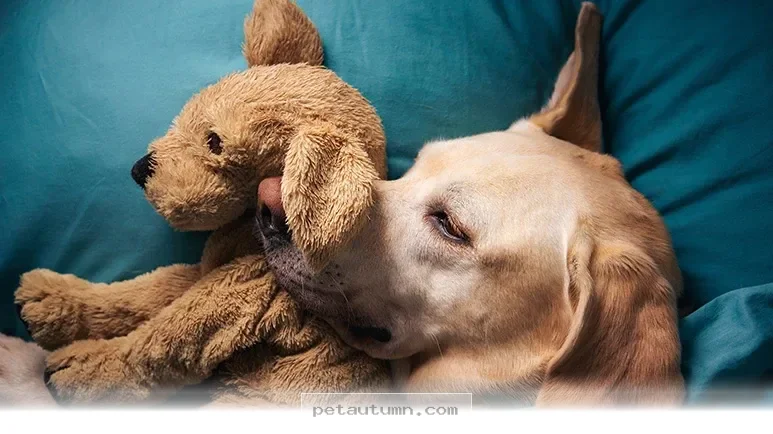
You have likely watched it happen a dozen times. Your dog is curled up on the rug, eyes shut tight, when suddenly their paws start twitching. Their tail gives a rhythmic swish, a muffled bark slips out, and their nose wrinkles as if they are catching a scent only they can perceive.
Have you ever wondered what is going on behind those closed lids? It turns out your dog’s dream world may be far more vivid, emotional, and connected to you than most people ever realize.
Key Takeaways
- Modern EEG studies confirm dogs experience REM sleep, the same brain state where humans have vivid, narrative dreams.
- Physical cues like paw twitching, tail swishing, and soft whimpering are reliable indicators that your dog is actively dreaming.
- Research suggests dogs replay their daily experiences, including interactions with their favorite people and exciting scent-filled adventures.
- Harvard psychologist Dr. Deirdre Barrett notes that because dogs are deeply attached to their owners, you likely star in their nightly dreams.
- Sudden, extreme changes in sleep patterns or aggressive reactions upon waking should be discussed with your veterinarian to rule out underlying health issues.
Understanding the Canine Sleep Cycle
For much of the 20th century, many experts argued that animals did not truly dream. They often labeled the behavior as mere anthropomorphizing, or the act of projecting human traits onto our pets.
Science has since caught up to what many dog owners have known for years. EEG studies show that canine brain wave patterns during sleep are nearly identical to ours, proving they cycle through the deep, restorative stages of sleep where dreaming occurs.
1. Recognizing REM Sleep in Dogs
Dogs spend a significant portion of their lives resting, but not all rest is created equal. During the Rapid Eye Movement phase, their brains become highly active, mimicking the state where humans experience our most intense dreams.
- Twitching: Small, involuntary movements of the paws, face, or ears.
- Vocalizations: Soft whimpering, muffled barks, or gentle growling.
- Eye Movement: Rapid flickering of the eyes beneath closed lids.
- Breathing: Irregular or shallow breathing patterns compared to deep sleep.
What Occupies a Dog’s Mind at Night?
If your dog is dreaming, what exactly are they seeing? Researchers believe that, much like humans, dogs process their daily experiences during sleep to help store memories and learn new behaviors.
How Dogs Dream vs. How We Dream
It is important to remember that a dog’s perspective is fundamentally different from a human’s. While we might dream in visual snapshots or abstract concepts, a dog’s dream is likely a sensory-heavy experience.
| Feature | Human Dreaming | Canine Dreaming |
|---|---|---|
| Primary Focus | Visual & Abstract | Scent & Emotional |
| Common Themes | Daily Tasks | Play, Food, & Owners |
| Sensory Input | Sight-heavy | Scent-heavy |
| Brain Activity | REM Cycles | REM Cycles |
The Role of Scent in Dreaming
Since a dog’s primary way of interacting with the world is through their nose, their dreams are likely saturated with olfactory memories. They may be "smelling" the grass at the park, the scent of their favorite treat, or the comforting aroma of your clothes.
Are You a Star in Their Dreams?
The most heartwarming aspect of this research comes from studies on attachment. Because your dog spends their waking hours focused on you, it is only logical that you become the focal point of their subconscious life.
According to insights from Harvard Medical School, dogs are deeply social creatures with strong emotional bonds. When they drift off, they are not just replaying random events; they are replaying their interactions with the people who make them feel safe and loved.
Tips for Supporting Restful Sleep
- Create a Sanctuary: Provide a quiet, draft-free space where your dog can sleep without being disturbed by household traffic.
- Maintain a Routine: Consistent meal and exercise times help regulate their circadian rhythm, leading to more predictable sleep cycles.
- Provide Physical Activity: A dog that gets enough mental and physical stimulation during the day is more likely to settle into deep, healthy sleep at night.
- Respect Their Rest: Even if they seem to be having a strange dream, it is usually best to let them sleep undisturbed.
- Monitor Health: Use resources like the American Veterinary Medical Association to learn about normal versus abnormal sleep behaviors.
Managing Nighttime Disruptions
Sometimes, a dog’s sleep behavior might look more like a nightmare than a pleasant dream. If your dog whimpers or kicks, it is tempting to wake them up, but experts advise against this.
Sudden waking can startle a dog, potentially leading to defensive behavior or confusion. Unless they appear to be in physical distress or are injuring themselves, it is usually kinder to let the dream play out naturally.
The information on petautumn.com is for general informational purposes only and does not constitute veterinary advice. Pet health needs vary by breed, age, and individual condition. Always consult a licensed veterinarian before making decisions about your pet’s health, diet, or medical treatment. Pet Autumn is not affiliated with any veterinary organization, pet food manufacturer, or breeder.
If you notice that your dog is frequently struggling to wake up, seems disoriented, or displays sudden, violent movements during sleep, it is a good idea to record a video to show your vet. These physical signs can occasionally point to neurological concerns that require professional evaluation.
Ultimately, your dog’s sleep is a sign of a healthy, active brain. By providing a loving home and a predictable routine, you are doing everything in your power to ensure their dreams are as sweet as they are.

Dog care writer at petautumn.com. Visual Communication Design graduate (S.Ds) from Universitas Udayana. Covers dog breeds, behavior, training, and gear reviews. Dog dad to Meepo. Based in Austin, Texas.