Written by Kadek Darma
A cancer diagnosis is an incredibly heavy burden for any pet parent to carry. While you may feel like you have lost control over your pet’s future, one area remains firmly in your hands: what you put in their bowl.
Although specific dietary changes cannot cure cancer, the right nutrition can significantly impact your pet’s appetite, strength, and overall quality of life during treatment. Understanding what the science actually says is the first step toward supporting your companion through this difficult journey.
Key Takeaways
- Prioritize Muscle Mass: Cachexia, the rapid loss of muscle due to metabolic shifts, affects a high percentage of cancer patients and negatively impacts survival times.
- Protein is King: Focus on high-quality, animal-based proteins to slow muscle breakdown and provide essential amino acids like leucine and lysine.
- Debunking Carb Myths: Eliminating carbohydrates entirely can lead to nutritional deficiencies and force the body to break down its own muscle tissue for energy.
- Palatability Matters: Because appetite often wanes during treatment, calorie-dense foods like healthy fats are essential to keep your pet eating consistently.
- Team Approach: Always work closely with your veterinarian or a board-certified veterinary nutritionist to tailor a plan to your pet’s specific diagnosis and needs.
Why Nutrition is a Foundation of Care
Cancer alters the way your pet’s body processes nutrients, shifting their metabolism and increasing their daily energy requirements. Unfortunately, this often happens just as their appetite begins to wane, creating a dangerous cycle of calorie deficiency.
Maintaining your pet’s interest in food is one of the most significant challenges you will face. When a pet refuses to eat, it is often the primary reason for difficult end-of-life decisions, so keeping them nourished is truly a vital component of their care ASPCA.
The Hidden Danger of Muscle Loss
Cachexia is a syndrome involving the severe loss of muscle mass that is driven by the cancer itself rather than just a lack of intake. This metabolic state causes the body to cannibalize its own muscle and fat, even when your pet appears to be eating enough.
Research highlights the urgency of managing this condition:
- In dogs: Studies have shown that a significant portion of cancer patients already exhibit moderate to severe muscle loss by the time of diagnosis.
- In cats: Evidence suggests that feline cancer patients with lower body condition scores have significantly shorter median survival times compared to those who maintain their weight.
Optimizing Protein and Fat Intake
Protein is the most important building block for a pet fighting cancer. Because the body’s ability to rebuild muscle is compromised during illness, you must provide high-quality, bioavailable animal proteins to mitigate this breakdown AKC.
Veterinary professionals often suggest these guidelines for protein and fat:
| Nutrient | Goal for Cancer Patients |
|---|---|
| Animal Protein | 1.0 to 1.2 grams per kg of body weight daily. |
| Cachexia Support | Increase protein intake by 40% if muscle loss is present. |
| Healthy Fats | 25% to 40% of the diet on a dry-matter basis. |
1. Focus on Bioavailable Proteins
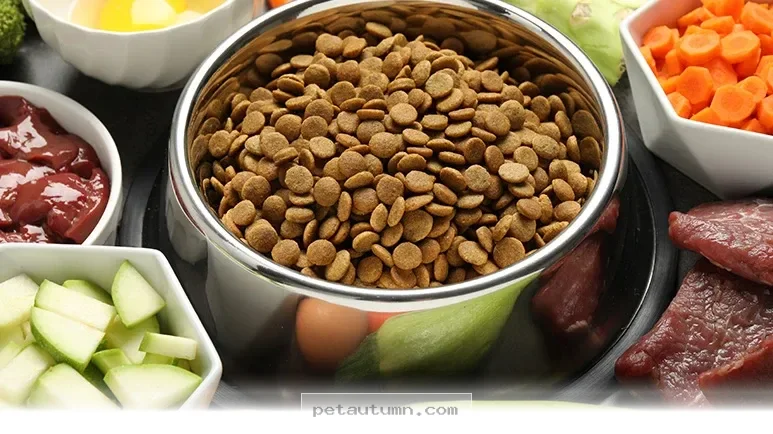
You should aim for fresh, whole-food sources like lean meats, eggs, and fish. These provide a complete profile of amino acids, including leucine and arginine, which are critical for supporting immune function and preserving lean mass.
2. Leverage the Power of Fats
Fats are calorie-dense, making them perfect for pets who cannot handle large volumes of food. They are also highly palatable, which can encourage a pet with a reduced appetite to continue eating.
3. Incorporate Omega-3 Fatty Acids
Omega-3s found in high-quality fish oil have anti-inflammatory properties that may help inhibit tumor growth. Always check with your vet to ensure the dosage is appropriate for your pet’s size and condition.
Clearing Up the Carbohydrate Confusion
You will often read advice claiming that carbohydrates feed cancer and that a ketogenic diet is the only way to manage the disease. In reality, the body is capable of producing glucose through a process called gluconeogenesis, regardless of whether you feed your pet carbohydrates.
When you restrict carbohydrates too aggressively, you risk causing nutritional deficiencies or forcing the body to break down muscle tissue even faster to create the glucose it needs. The goal is not to starve the cancer, but to keep the patient strong enough to tolerate treatment.
The information on petautumn.com is for general informational purposes only and does not constitute veterinary advice. Pet health needs vary by breed, age, and individual condition. Always consult a licensed veterinarian before making decisions about your pet’s health, diet, or medical treatment. Pet Autumn is not affiliated with any veterinary organization, pet food manufacturer, or breeder.
Focusing on high-quality nutrition provides your pet with the best possible defense against the metabolic strain of cancer. By prioritizing muscle maintenance and keeping them eating, you are doing everything in your power to support their comfort and quality of life.
Work closely with your veterinary team to create a balanced plan that meets your pet’s unique needs. Every meal is a chance to show your love and provide the support they need during this challenging time Cornell University College of Veterinary Medicine.

Dog care writer at petautumn.com. Visual Communication Design graduate (S.Ds) from Universitas Udayana. Covers dog breeds, behavior, training, and gear reviews. Dog dad to Meepo. Based in Austin, Texas.