Written by Kadek Darma
Seeing a dog transform from a state of total frailty to vibrant health is one of the most rewarding experiences a pet owner can witness. When you take in a rescue animal that has been neglected or injured, you are stepping into a role that requires immense patience, dedication, and a whole lot of heart.
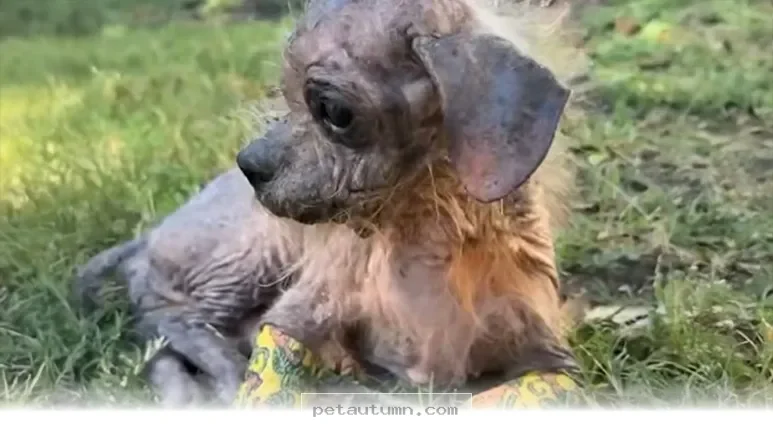
The journey of a tiny, struggling dog finding its strength again is a powerful reminder of how much love can change a life. Whether you are currently rehabilitating a rescue or just want to understand the process, there is so much to learn from these small, brave souls.
Key Takeaways
- Consistent physical therapy and movement are vital for rebuilding muscle mass in weak dogs.
- Nutritional support must be tailored to your pet’s specific recovery needs under veterinary guidance.
- Patience is your greatest tool, as progress often happens in small, almost invisible steps.
- Creating a safe, quiet environment helps reduce stress, allowing the body to focus on healing.
Understanding the Needs of a Fragile Rescue
When you bring home a dog that is struggling to walk or move, your first priority is creating a space where they feel secure. A nervous or frightened dog will often hold onto tension, which makes physical recovery much slower than it needs to be.
Keep the area calm and limit visitors while your new companion acclimates to their surroundings. You will notice that as their confidence grows, their physical movements tend to become more fluid and natural.
Common Signs of Physical Distress
If you are monitoring a dog during their recovery, keep an eye out for these behaviors that might indicate they need more support or rest:
- Whining or vocalizing when standing up or laying down.
- Reluctance to put weight on a specific limb.
- Excessive lethargy or sleeping more than usual for their age.
- Loss of appetite or hesitation when reaching for food bowls.
- Shaking or muscle tremors during light activity.
The Role of Consistent Care and Therapy
Rehabilitation is never a straight line, and you will likely see good days mixed with challenging ones. If your veterinarian has suggested specific exercises, consistency is the magic ingredient that turns small movements into real progress.
You can compare the different stages of recovery to see how your approach might need to shift as your dog gains more strength and stability.
| Recovery Stage | Focus Area | Status |
|---|---|---|
| Initial Rescue | Rest and Hydration | Warning |
| Early Mobility | Assisted Movement | Caution |
| Active Recovery | Muscle Building | Positive |
1. Establishing a Routine
Dogs thrive on predictability, especially when they are recovering from trauma or illness. Try to organize their meals, rest periods, and gentle exercise at the same time each day to build their sense of security.
2. Supporting Mobility Safely
If your dog has difficulty standing, consider using a supportive harness or a soft towel sling to help them balance during potty breaks. Always move slowly and avoid forcing them into positions that seem uncomfortable or painful.
3. Monitoring Nutritional Intake
High-quality nutrition provides the building blocks for tissue repair and energy restoration. Talk to your vet about specialized diets that might support joint health or muscle recovery during this critical period.
Essential Supplies for Your Recovery Kit
You do not need a lot of fancy gear to help your dog succeed, but having the right tools makes the process easier for both of you. Focus on items that provide comfort and stability as they learn to navigate their new life.
- Non-slip yoga mats or rugs for hardwood floors.
- Orthopedic memory foam dog bed for pressure relief.
- Supportive walking harness with handles for lifting.
- Slow-feeder bowls to encourage calm meal times.
- Soft, washable blankets for extra warmth and nesting.
Transitioning a dog from a state of struggle to a life of play is one of the most fulfilling journeys you can take as a pet parent. By focusing on steady support and endless compassion, you help them realize they are finally safe.
The information on petautumn.com is for general informational purposes only and does not constitute veterinary advice. Pet health needs vary by breed, age, and individual condition. Always consult a licensed veterinarian before making decisions about your pet’s health, diet, or medical treatment. Pet Autumn is not affiliated with any veterinary organization, pet food manufacturer, or breeder.
Always remember that every small step your dog takes is a victory worth celebrating together. Your presence is the biggest comfort they have as they regain their strength and spirit.
If you are looking for more resources on canine health, you can check out the American Kennel Club for breed-specific information. You might also find helpful guidance on senior or recovery care through Cornell University College of Veterinary Medicine.

Cat care writer at petautumn.com. English Literature graduate (S.S) from Universitas Udayana. Covers cat breeds, behavior, nutrition, grooming, and health. Cat mom to Luna and Lina. Based in Austin, Texas.