Written by Kadek Darma
Most coughing or shortness of breath in dogs is mild, often just a tickled throat, the onset of kennel cough, or the result of overdoing it at the park. You watch them, consider calling the vet, and things usually settle down on their own.
However, there is a specific kind of breathing trouble that does not resolve. It escalates rapidly and remains one of the most serious respiratory emergencies a dog can face. By the time most pet parents recognize the severity of the situation, the clock is already running.
Key Takeaways
- ARDS, or "shock lung," is a life-threatening complication where the immune system causes the lungs to flood with fluid.
- It typically develops one to four days after a severe illness, such as pneumonia, sepsis, or trauma.
- Warning signs include rapid, labored breathing, blue or pale gums, and foam coming from the nose or mouth.
- This condition requires 24-hour critical care and oxygen support to manage the severe lack of oxygen.
- Immediate veterinary intervention is the only chance for survival, as the condition can worsen within hours.
Understanding Acute Respiratory Distress Syndrome
Sometimes referred to as "shock lung," ARDS is a critical complication that develops when a dog is already fighting a severe illness. While it was studied extensively in human medicine for decades, it is now more consistently recognized in veterinary practice.
Veterinary specialists have worked to establish clear definitions for this syndrome to help doctors identify it faster in our canine companions. Because it is so complex, it is essential to look at the underlying mechanics of how it affects your dog.
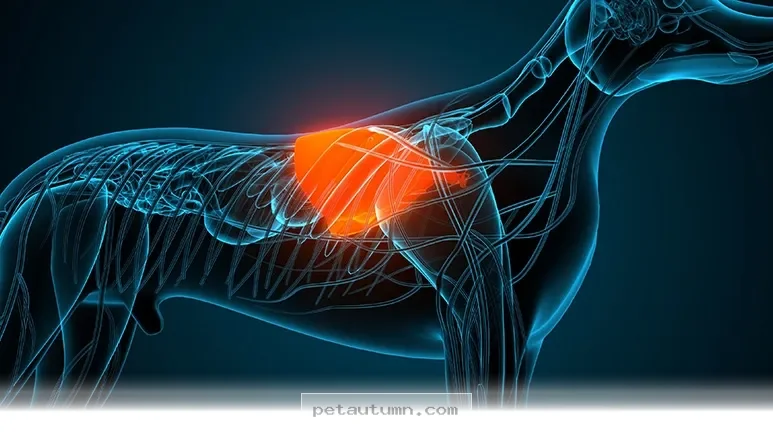
When the body faces a severe injury or illness, the immune system may overreact and release a flood of inflammatory chemicals. These chemicals damage the alveoli, which are the tiny air sacs responsible for transferring oxygen into your dog’s bloodstream.
As the capillaries in the lungs begin leaking fluid into these air sacs, the lungs fill up, making it nearly impossible for the dog to breathe. This leads to widespread tissue damage and requires immediate, aggressive medical support to stabilize the patient.
What Triggers This Respiratory Crisis
ARDS rarely appears without warning. It is almost always a secondary complication following a primary health crisis that has already stressed the dog’s body.
- Direct lung injury from smoke inhalation or near-drowning events.
- Systemic inflammation caused by severe infections like sepsis or pancreatitis.
- Secondary damage following a snake bite or significant physical trauma.
- Complications arising from severe pneumonia that has not responded to treatment.
Because these triggers are so intense, affected dogs are often already under veterinary care. If your dog is hospitalized for a major illness, their medical team is watching for these shifts in breathing patterns around the clock.
Recognizing the Emergency Signs
The symptoms of ARDS appear with alarming speed. If you notice any of these signs, you must seek emergency veterinary care without delay, as even a few hours can make a critical difference.
- Rapid or labored breathing that does not slow down
- Open-mouth breathing while resting
- Gums or tongue appearing blue, gray, or pale
- Persistent coughing or audible wheezing
- Pink, foamy discharge from the nose or mouth
- Extreme lethargy or sudden collapse
- Fever alongside difficulty catching their breath
Comparing Respiratory Symptoms
| Symptom | Mild Issue | Emergency (ARDS) |
|---|---|---|
| Breathing Rate | Normal at rest | Extremely rapid/labored |
| Gum Color | Healthy pink | Blue, pale, or gray |
| Behavior | Alert, eating well | Lethargic, collapsed |
| Discharge | None | Pink, foamy fluid |
| Duration | Improves with rest | Rapidly worsens |
Note: The emergency column indicates a life-threatening scenario requiring immediate action.
How Veterinarians Diagnose and Treat ARDS
Because ARDS typically affects dogs that are already critically ill, the diagnostic process is rapid and precise. Your veterinarian will prioritize a blood gas analysis, which provides a clear look at oxygen and carbon dioxide levels in the bloodstream.
They will also likely perform thoracic radiographs to visualize the lungs and an echocardiogram to ensure the heart is not the primary cause of the fluid buildup. Once confirmed, treatment is centered on intensive supportive care.
Steps in Critical Care Management
- Oxygen Therapy: Providing supplemental oxygen is the first priority to keep vital organs functioning.
- Mechanical Ventilation: In severe cases, a ventilator may be necessary to breathe for the dog.
- Fluid Management: Veterinarians must carefully balance IV fluids to keep the dog hydrated without worsening lung fluid.
- Addressing the Source: The original injury or infection must be treated aggressively with appropriate medications.
- Constant Monitoring: The patient requires 24-hour observation in an ICU setting to adjust support as needed.
The information on petautumn.com is for general informational purposes only and does not constitute veterinary advice. Pet health needs vary by breed, age, and individual condition. Always consult a licensed veterinarian before making decisions about your pet’s health, diet, or medical treatment. Pet Autumn is not affiliated with any veterinary organization, pet food manufacturer, or breeder.
Recognizing the signs of respiratory distress is one of the most important things you can do for your dog. While conditions like ARDS are rare, knowing that any sudden, severe change in breathing is an emergency can save your dog’s life.
Always keep the contact information for your nearest emergency veterinary hospital saved in your phone. Quick action during a crisis provides the best possible outcome for your furry friend when they need it most.

Cat care writer at petautumn.com. English Literature graduate (S.S) from Universitas Udayana. Covers cat breeds, behavior, nutrition, grooming, and health. Cat mom to Luna and Lina. Based in Austin, Texas.