Written by Ayu Pratiwi
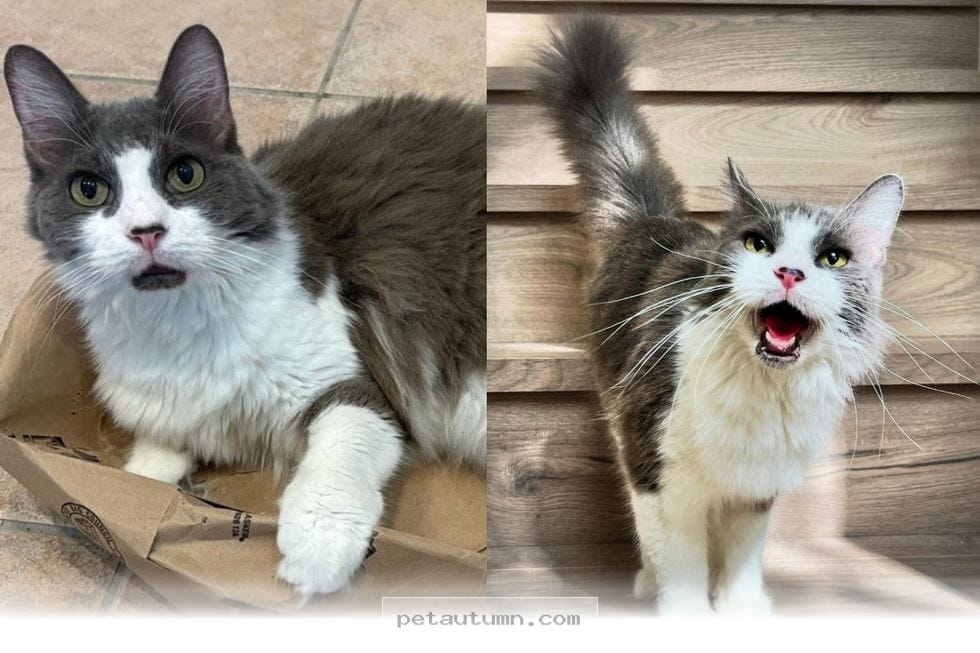
Walking into a shelter can feel overwhelming, especially when you see a senior cat hiding in the back of a cage. Many people walk right past these golden-aged companions, but one rescuer decided to stop and pay attention to a very grumpy, hissing stray.
That hiss was not a sign of a mean spirit, but rather a cry for help from a cat who had simply given up on humans. What started as a tense standoff eventually blossomed into a beautiful friendship that taught everyone a valuable lesson about patience.
Key Takeaways
- Senior cats often hiss out of fear or physical pain rather than aggression.
- Providing a quiet, predictable environment helps older rescues decompress.
- Health issues like hyperthyroidism can cause mood swings and irritability in senior pets.
- Building trust with a traumatized cat requires consistent, low-pressure interaction.
- Older cats are often the most grateful companions once they feel safe.
Understanding the Senior Hiss
When you first bring home an older cat, you might be surprised by a display of defensive behavior. It is common for senior rescues to feel threatened by new surroundings and strange faces.
Hissing is a communication tool used to establish boundaries when a cat feels vulnerable. Instead of taking it personally, try to look at the situation from your cat’s perspective.
Common Signs of Fear in Older Cats
- Tail tucked tightly against the body.
- Flattened ears pinned against the head.
- Dilated pupils even in well-lit rooms.
- Frequent hiding in dark, secluded corners.
- Sudden swatting or hissing when approached too quickly.
Understanding these cues allows you to adjust your behavior and build a bridge of trust.
Establishing a Safe Haven
Creating a designated space for your new friend is the most effective way to lower their stress levels. You should set up a small room with everything they need before they arrive.
This gives the cat a sense of control over their environment. A predictable routine will help them realize that they are finally in a place where they are safe from harm.
Essential Supplies for Your Senior Cat
- Elevated cat bed for joint support.
- Soft blankets for creating cozy hiding spots.
- Low-sided litter box for easy access.
- Feliway diffusers to promote a calm atmosphere.
- Interactive wand toys to encourage gentle engagement.
Providing these simple comforts can significantly reduce the time it takes for a shy cat to settle in.
Managing Health and Wellness
Many senior cats found on the street suffer from undiagnosed medical conditions that affect their temperament. A cat that seems grumpy might actually be dealing with chronic pain or a hormonal imbalance.
According to the Cornell Feline Health Center, senior cats often require specialized care to maintain a good quality of life. Regular veterinary checkups are essential for catching issues early and keeping your cat comfortable.
| Common Senior Issue | Behavioral Sign | Status |
|---|---|---|
| Arthritis | Reluctance to jump | Manageable |
| Hyperthyroidism | Irritability | Requires Vet |
| Dental Disease | Dropping food | Warning |
| Cognitive Decline | Night vocalization | Monitor |
Steps to Build Trust
- Start by sitting quietly in the room without trying to touch the cat.
- Read a book or talk in a soft, low voice to let them get used to your presence.
- Offer high-value treats from a distance to create positive associations.
- Allow the cat to approach you on their own terms rather than forcing interaction.
- Use slow blinking to show you are not a threat to their safety.
Taking these small steps helps the cat understand that you are a partner, not an intruder.
Always remember that the transition from a stray to a pampered house cat is a marathon, not a sprint. Your patience will eventually be rewarded with the quiet, soulful companionship that only a senior cat can provide.
The information on petautumn.com is for general informational purposes only and does not constitute veterinary advice. Pet health needs vary by breed, age, and individual condition. Always consult a licensed veterinarian before making decisions about your pet’s health, diet, or medical treatment. Pet Autumn is not affiliated with any veterinary organization, pet food manufacturer, or breeder.
Choosing to adopt a senior cat is one of the most rewarding decisions you can make as a pet owner. While they may have a history, they have so much love left to give to someone who takes the time to listen.
If you find yourself looking at a hissing cat, remember the story of the fluffy senior who just needed a little bit of grace. You might just find your new best friend waiting for you to see past the hiss.

Cat care writer at petautumn.com. English Literature graduate (S.S) from Universitas Udayana. Covers cat breeds, behavior, nutrition, grooming, and health. Cat mom to Luna and Lina. Based in Austin, Texas.