Written by Kadek Darma
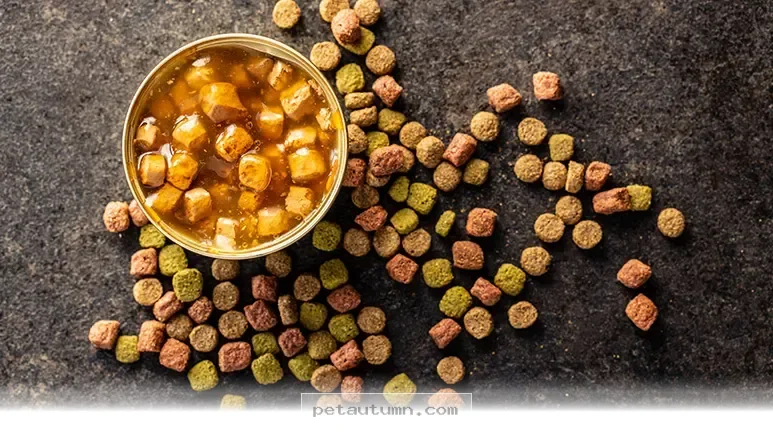
Many pet parents want to provide the absolute best nutrition for their furry companions. You might have noticed a growing trend in pet stores called combination feeding, where canned food is mixed directly into a bowl of dry kibble.
While the intention behind this practice is to provide variety, simply mixing two types of processed food is not the same as providing a nutrient-dense, diverse diet. It is helpful to understand why your pet’s digestive system often thrives on high-quality, whole-food ingredients rather than just a blend of two commercial products.
Key Takeaways
- Combination feeding of two processed products does not provide the same nutritional benefits as fresh, whole foods.
- Many "human food" additions, such as pancakes or processed meats, are actually harmful or empty calories for pets.
- True nutritional diversity comes from adding unprocessed, biologically appropriate foods rich in natural enzymes and phytonutrients.
- Small amounts of fresh, whole food act as excellent meal toppers or healthy training snacks for your dog.
- Always consult your veterinarian before making significant changes to your pet’s daily caloric intake or dietary routine.
Why Mixing Kibble and Canned Food Falls Short
When you look at the labels of most standard pet foods, you will notice they are highly processed. Combining two ultra-processed items, such as kibble and canned food, does not introduce the live enzymes or essential phytonutrients that fresh food provides.
Think of it like a person eating a bowl of dry cereal and washing it down with a sugary nutritional shake. While the moisture content has increased, the foundational quality of the nutrients remains largely the same.
1. Understanding Nutritional Quality
The primary issue with mixing these two formats is that both are often manufactured under high-heat conditions. This process can degrade the delicate vitamins and minerals that pets need for long-term health.
If you want to improve your pet’s bowl, look for ingredients that are not processed. Adding fresh items helps bridge the nutritional gap that mass-produced kibble often leaves behind.
2. The Trap of Processed Human Foods
Many well-meaning owners attempt to diversify their pet’s diet by adding human table scraps. Unfortunately, some of these additions are not healthy and can lead to digestive upset or weight gain.
| Food Category | Status | Consideration |
|---|---|---|
| Fresh Vegetables | Positive | Great source of fiber and vitamins |
| Lean Proteins | Positive | High-quality amino acids for muscle |
| Processed Grains | Caution | Often just empty calories |
| Table Scraps/Fried Food | Warning | Risk of pancreatitis and toxicity |
3. Creating a Truly Healthy Meal Plan
If you want to move toward a more diverse diet, focus on species-appropriate, unprocessed additions. You can start by incorporating small amounts of fresh, whole foods into your dog’s regular meals.
- Start by researching safe, fresh fruits and vegetables like carrots or blueberries.
- Introduce one new item at a time to monitor your pet’s digestion.
- Keep additions to less than 10% of the total daily calories.
- Use these items as toppers or training rewards rather than meal replacements.
- Watch for any changes in stool quality or energy levels.
4. Benefits of Real Food Additions
When you choose to supplement a standard diet with fresh foods, you provide your pet with vital nutrients. These include natural antioxidants, fiber, and moisture that support healthy skin and coat.
- Phytonutrients: Found in fresh produce, these support immune function.
- Natural Enzymes: These help support a healthy digestive tract.
- Prebiotic Fibers: Found in whole vegetables, these promote healthy gut bacteria.
- Hydration: Fresh foods naturally contain more water than dry kibble.
The information on petautumn.com is for general informational purposes only and does not constitute veterinary advice. Pet health needs vary by breed, age, and individual condition. Always consult a licensed veterinarian before making decisions about your pet’s health, diet, or medical treatment. Pet Autumn is not affiliated with any veterinary organization, pet food manufacturer, or breeder.
Providing your pet with the right nutrition is a journey that requires patience and careful observation. You know your pet better than anyone else, and paying attention to how they respond to different foods is the best way to ensure their long-term vitality.
By focusing on high-quality, unprocessed additions rather than just mixing different brands of processed food, you can help your dog enjoy a more vibrant life. Remember to keep things simple, stick to safe ingredients, and always keep your veterinarian in the loop regarding any dietary adjustments you make at home.

Dog care writer at petautumn.com. Visual Communication Design graduate (S.Ds) from Universitas Udayana. Covers dog breeds, behavior, training, and gear reviews. Dog dad to Meepo. Based in Austin, Texas.