Written by Kadek Darma
Walking into an animal shelter can be an emotional experience for any dog lover. You often see hopeful faces peering through kennel doors, each one waiting for their perfect human to walk by.
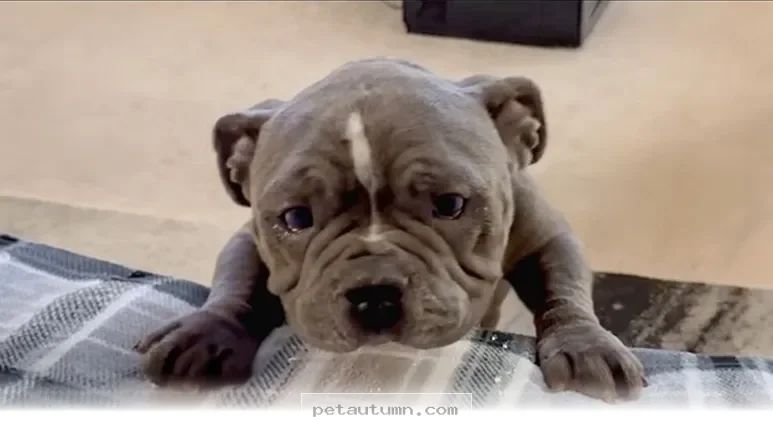
Sometimes, a dog is overlooked simply because they look different or appear to be in poor health. This was the case for Penelope, a bulldog whose story reminds us that you should never judge a book by its cover.
Key Takeaways
- Appearance can be deceiving in rescue dogs, often hiding a youthful and energetic spirit.
- Providing a stable, loving environment can drastically improve a dog’s physical and mental health.
- Proper nutrition and routine veterinary care are essential for bulldogs with specific health needs.
- Patience is the most important tool when helping a rescue dog adjust to a new home.
- Every dog deserves a second chance, regardless of their perceived age or condition.
The Reality of Rescue Bulldogs
When many people think of bulldogs, they often imagine a sturdy, happy-go-lucky companion. However, rescue bulldogs frequently enter shelters with complex histories that might make them appear older or less vibrant than they actually are.
Understanding these traits can help you better prepare for welcoming a bulldog into your life. The following table breaks down common perceptions versus the reality of rescuing these special dogs.
| Common Perception | The Reality |
|---|---|
| Bulldogs are lazy sleepers | They are playful when they feel safe |
| They are always sick seniors | Many are young dogs needing basic care |
| Expensive medical needs | Consistent, preventative maintenance works wonders |
| Hard to train | Highly motivated by treats and affection |
Why Penelope Was Overlooked
Penelope sat in her kennel for months, largely ignored by potential adopters. Her coat was dull, her eyes looked tired, and she moved with a lethargy that suggested she was a senior dog in her final years.
Most visitors walked right past her, assuming she required expensive medical intervention they weren’t prepared to handle. They didn’t realize that her condition was largely a result of stress and a lack of proper nutrition.
Common Signs of Stress in Shelter Dogs
- Excessive panting even when resting
- Reluctance to engage with toys or people
- Poor skin and coat condition due to nutritional deficiency
- Frequent pacing or attempts to hide
- Lack of appetite during feeding times
The Transformation Process
Once Penelope finally found a home, the transition was not immediate. She required a gentle hand and a consistent schedule to help her realize she was finally safe.
Follow these simple steps to help your rescue bulldog adjust to their new environment.
1. Establish a Predictable Routine
Dogs find comfort in knowing exactly when they will eat, walk, and sleep. You should try to keep these activities at the same time each day to build confidence.
2. Prioritize Nutritional Support
Work with your veterinarian to find a high-quality diet that supports skin health and joint mobility. Many bulldog owners find that specific protein sources help reduce inflammation.
3. Create a Dedicated Safe Space
Give your new friend a quiet corner with a comfortable bed and a few toys. This provides a sanctuary when they feel overwhelmed by the sights and sounds of a new home.
4. Schedule Professional Health Screenings
Regular checkups with a professional are vital for this breed. According to the American Veterinary Medical Association, early detection of common breed-specific issues can lead to much better outcomes.
5. Encourage Gentle Exercise
While bulldogs are not marathon runners, they do need daily activity to stay mentally sharp. Short, frequent walks during cooler parts of the day are perfect for building their stamina safely.
Preparing Your Home for a Bulldog
If you are considering adopting, you need to make sure your space is ready. Bulldogs are social creatures that thrive when they are part of the family activity.
- Cooling mats for hot days
- Elevated food and water bowls
- A sturdy, orthopedic dog bed
- Soft, durable chew toys
- Specialized grooming wipes for facial folds
The information on petautumn.com is for general informational purposes only and does not constitute veterinary advice. Pet health needs vary by breed, age, and individual condition. Always consult a licensed veterinarian before making decisions about your pet’s health, diet, or medical treatment. Pet Autumn is not affiliated with any veterinary organization, pet food manufacturer, or breeder.
A Bright Future Ahead
Penelope is now thriving, showing everyone that her "senior" look was just a temporary disguise. She spends her days chasing balls and curling up on the sofa, proving that love is the best medicine for any dog.
If you are looking to add a furry companion to your family, consider looking past the initial appearances. You might just find the most loyal friend you have ever known waiting for their turn to shine.

Cat care writer at petautumn.com. English Literature graduate (S.S) from Universitas Udayana. Covers cat breeds, behavior, nutrition, grooming, and health. Cat mom to Luna and Lina. Based in Austin, Texas.