Written by Kadek Darma
It is heartbreaking to see beloved pets suffer because of extreme physical traits that humans find trendy. When we prioritize a specific aesthetic over the natural anatomy of a dog or cat, we often end up compromising their long-term health and mobility.
Many animals are currently being bred for features that cause lifelong pain or respiratory distress. Understanding the reality behind these popular traits is essential for any compassionate owner looking to provide the best life possible for their companion.
Key Takeaways
- Selective breeding for extreme physical features often leads to chronic health issues.
- Brachycephalic breeds frequently struggle with severe respiratory difficulties and heat sensitivity.
- Genetic deformities in pets can result in permanent joint pain and limited mobility.
- Consulting with a veterinarian is vital if you suspect your pet is experiencing discomfort.
- Prioritizing functional health over appearance ensures a higher quality of life for your pet.
The Reality of Brachycephalic Breeds
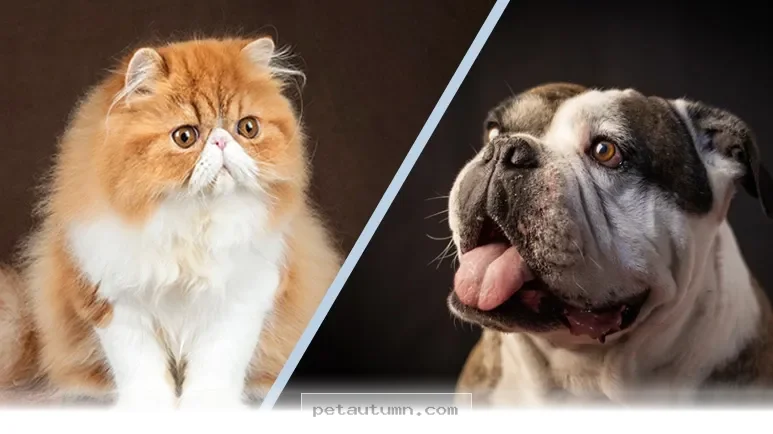
Many flat-faced dogs, such as Pugs and French Bulldogs, are beloved for their unique appearance. Unfortunately, this distinctive look often comes at the cost of their ability to breathe normally.
The anatomy of these dogs can be compared to a human attempting to breathe through a narrow straw. This constant struggle for air makes physical exercise, hot weather, and even simple daily activities incredibly taxing for them.
Common Signs of Respiratory Distress
If you own a flat-faced dog, it is important to watch for these symptoms closely:
- Loud snoring or snorting while resting.
- Excessive panting even during mild activity.
- Frequent gagging or coughing after eating or drinking.
- Visible effort or stretching of the neck to draw in air.
- Reluctance to participate in play or exercise.
Understanding Genetic Mobility Issues
Beyond respiratory concerns, some pets are bred for specific structural deformities that impact their skeletal system. A primary example is the "sausage" body type seen in certain cat breeds, which is often tied to abnormal bone formation.
While some breeders claim these traits are harmless, many veterinary professionals point out that these structures can lead to significant discomfort. When a pet cannot jump, run, or climb like a normal animal, it is often a sign of chronic pain rather than just a lack of ability.
Comparing Physical Traits and Health Risks
| Trait Category | Potential Health Risk | Severity Level |
|---|---|---|
| Extreme Flat Face | Chronic Breathing Issues | High (Warning) |
| Miniature Stature | Joint/Spinal Stress | Medium (Caution) |
| Oversized Features | Mobility Challenges | Medium (Caution) |
| Standard Anatomy | Normal Function | Low (Positive) |
Protecting Your Pet’s Well-Being
Being an informed owner means recognizing when a physical trait might be hindering your pet’s happiness. You should monitor your pet’s behavior daily to identify any changes in their movement or breathing patterns.
If you notice your pet avoiding jumps they once attempted or struggling to catch their breath, reach out to your local clinic. Early intervention and supportive care can make a massive difference in managing their comfort levels.
Steps to Support Your Pet
- Schedule regular wellness exams to monitor breathing and joint health.
- Keep your home environment cool, especially during warmer months.
- Limit strenuous physical activity that may trigger respiratory distress.
- Provide orthopedic bedding to support joints and minimize pressure points.
- Maintain a healthy weight to reduce the burden on your pet’s frame.
The information on petautumn.com is for general informational purposes only and does not constitute veterinary advice. Pet health needs vary by breed, age, and individual condition. Always consult a licensed veterinarian before making decisions about your pet’s health, diet, or medical treatment. Pet Autumn is not affiliated with any veterinary organization, pet food manufacturer, or breeder.
Choosing to care for a pet with specific genetic challenges requires patience, extra observation, and a deep commitment to their comfort. Your attention to these details helps ensure they live as comfortably as possible despite their limitations.
Focusing on functional health ensures your pet remains a happy, active member of your family for years to come. By staying proactive and attentive, you provide the best possible environment for their unique needs.

Dog care writer at petautumn.com. Visual Communication Design graduate (S.Ds) from Universitas Udayana. Covers dog breeds, behavior, training, and gear reviews. Dog dad to Meepo. Based in Austin, Texas.