Written by Kadek Darma
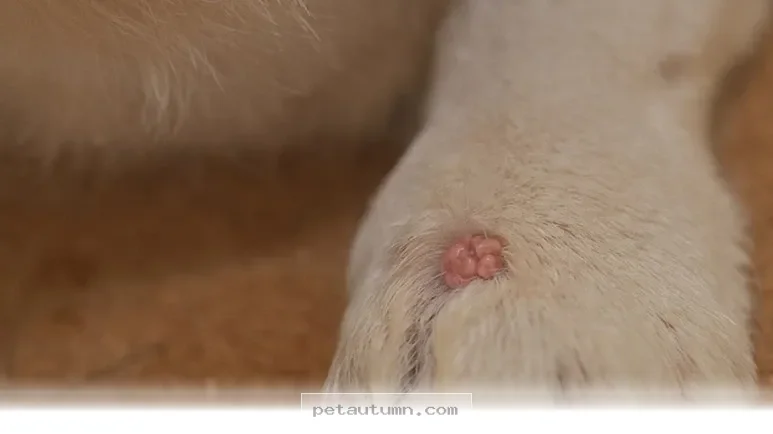
You are scratching your dog’s chin one afternoon and your fingers find something new — a small, rough bump that was not there last week. It looks a little like a tiny cauliflower, and it does not seem to bother your pup at all.
You check for more and notice another one on their lip, and perhaps a third on their paw. Before you spiral into worry, consider this: those funny little growths are often just a sign that your dog’s immune system is doing its job.
Key Takeaways
- Dog warts are benign growths typically caused by the canine papillomavirus, which is highly species-specific and cannot be passed to humans or cats.
- Puppies and adolescent dogs are the most common hosts because their immune systems are still learning to recognize and fight off new viral invaders.
- The characteristic appearance is a rough, cauliflower-like texture that often appears in clusters around the mouth, eyes, or paws.
- Most viral warts resolve on their own within a few months as the dog’s immune system matures and learns to neutralize the virus.
- Supportive care, including a high-quality diet and stress reduction, is the preferred approach to helping your dog’s body clear the virus naturally.
Understanding Viral Growths
Viral dog warts are benign growths caused by the canine papillomavirus, or CPV for short. Researchers have identified over 20 different types of this virus, with most affecting either the skin or the mucosal tissues like the mouth.
The virus works by entering skin cells through tiny breaks, such as a small scratch from grass or a moist area like the gums. It essentially hijacks normal cell growth to create that bumpy, cauliflower-like texture you recognize as a wart.
1. Who Gets These Bumps
Puppies and adolescents are the most common patients because their immune systems are still learning the ropes. Their natural curiosity and tendency to mouth everything they find provides the virus with plenty of entry points.
Older dogs, typically those over seven years, may also develop bumps. However, these are often different in origin, such as sebaceous adenomas, which are benign growths stemming from the oil glands as immune function naturally declines.
2. Identifying the Appearance
Knowing what to look for can save you a lot of unnecessary stress during your grooming sessions. The following table highlights the common differences between typical viral papillomas and other common skin growths.
| Feature | Viral Papilloma | Sebaceous Adenoma | Histiocytoma |
|---|---|---|---|
| Texture | Rough, cauliflower-like | Smooth or slightly warty | Firm, button-like |
| Common Age | Young dogs (< 2 years) | Senior dogs (> 7 years) | Young dogs |
| Color | Flesh-toned or pink | Often pink or white | Red or ulcerated |
| Duration | Resolves in 1-3 months | Often persists | Resolves in 2-3 months |
3. How to Manage Them
Since these growths are generally harmless, most veterinarians recommend a watchful waiting approach. You should simply monitor the size, shape, and number of the bumps to ensure they are not changing rapidly or causing your pet pain.
If you find a new bump, take a photo and write down the date so you can track any changes over the next few weeks. If the wart becomes irritated, bleeds, or starts to grow quickly, it is time to schedule a visit with your veterinarian.
Supporting Your Dog’s Immune System
Because the immune system is responsible for clearing these viruses, the best thing you can do is support your dog’s overall vitality. A strong, resilient dog is much better equipped to handle a viral encounter without developing significant or long-lasting lesions.
Focusing on a foundation of health ensures that your pet stays in tip-top shape. Always remember that your veterinarian is your best partner in determining if a growth is truly a wart or something that requires a closer look.
The information on petautumn.com is for general informational purposes only and does not constitute veterinary advice. Pet health needs vary by breed, age, and individual condition. Always consult a licensed veterinarian before making decisions about your pet’s health, diet, or medical treatment. Pet Autumn is not affiliated with any veterinary organization, pet food manufacturer, or breeder.
When you notice these little bumps, try to view them as a temporary phase rather than a permanent condition. With a little patience and a focus on wellness, your dog will likely move past this stage without any long-term issues.
Keep up with your regular grooming routines, as they are the best way to catch these changes early. Your attention to detail is the greatest gift you can provide for your pet’s long-term health and comfort.

Dog care writer at petautumn.com. Visual Communication Design graduate (S.Ds) from Universitas Udayana. Covers dog breeds, behavior, training, and gear reviews. Dog dad to Meepo. Based in Austin, Texas.