Written by Kadek Darma
Walking into a rescue shelter can feel overwhelming, especially when you lock eyes with a dog curled tightly in the corner. Many of these pups have faced difficult pasts that left them fearful of humans and the world around them.
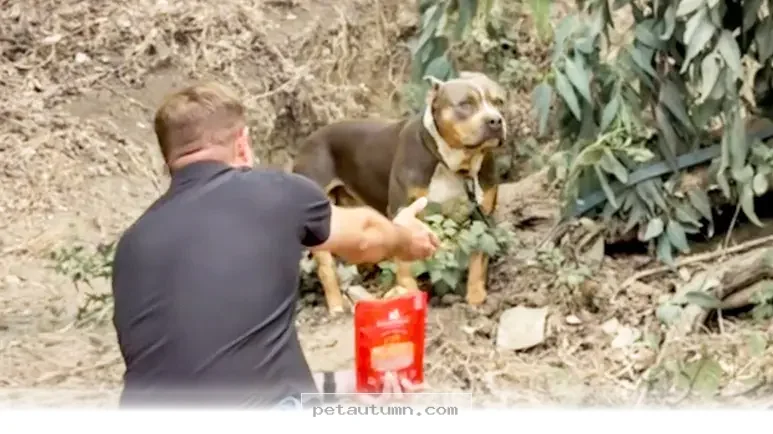
Watching a dog like Marshall, who was once too terrified to accept a simple treat, finally find the courage to play is a truly heartwarming experience. It is a slow journey of trust that shows just how resilient these animals can be when given a little time and love.
Key Takeaways
- Recovery from trauma is a gradual process that requires immense patience.
- Play is a powerful tool to help shy rescue dogs build confidence.
- Observing body language helps you understand when a dog feels safe.
- Socialization with other confident dogs can speed up the healing process.
- Every small victory, like touching a toy, is a massive milestone.
Understanding the Fearful Rescue Dog
Helping a frightened dog requires you to step back and look at the world from their perspective. When a dog has been abandoned or neglected, their survival instinct is to stay invisible and quiet.
You might notice specific behaviors that signal your new friend is still processing their past. Recognizing these signs helps you adjust your training approach to keep things stress-free and supportive.
- Avoidance: Turning their head or walking away when you approach.
- Cowering: Lowering their body or tail to appear smaller.
- Refusal of treats: High stress often suppresses a dog’s appetite.
- Freezing: Becoming stiff or immobile when they feel overwhelmed.
- Lip licking: A subtle sign of anxiety or discomfort.
Steps to Encourage Playfulness
Bringing a toy into the life of a fearful dog is not about tossing a ball and hoping for a game of fetch. You must start slowly to ensure the toy is seen as a source of joy rather than a source of fear.
1. Create a Safe Environment
Before you introduce any toys, ensure your dog has a quiet space where they feel completely secure. A calm home environment reduces their overall anxiety levels, which makes them more open to exploring new objects.
2. Introduce Toys Gradually
Place a soft, non-threatening toy near their favorite spot without forcing an interaction. Let them investigate the object on their own terms, perhaps sniffing it while you are busy doing something else nearby.
3. Reward Curiosity
When you see your dog show even the slightest interest, offer calm praise or a small, high-value treat. Your goal is to create a positive association between the toy and a pleasant reward.
4. Use Other Dogs as Mentors
If you have a confident, gentle dog in your home, they can act as a wonderful role model. Seeing another dog happily playing with a squeaky toy can show a fearful rescue that playtime is safe and fun.
Comparing Toy Types for Anxious Dogs
Choosing the right item can make a big difference for a shy dog. Some dogs prefer soft, comforting textures, while others find interactive puzzles more engaging as they gain confidence.
| Toy Category | Best For | Why It Works |
|---|---|---|
| Plush Toys | Comfort Seekers | Soft and gentle, providing a sense of security. |
| Rubber Chew Toys | Heavy Chewers | Durable and can be filled with safe snacks. |
| Loud Squeakers | Bold Dogs Only | Can startle timid dogs; introduce with caution. |
| Puzzle Feeders | Problem Solvers | Keeps their mind busy and builds confidence. |
As your dog becomes more comfortable, you can start incorporating more active games to help build their bond with you.
Essential Supplies for Your Rescue Dog
Setting up your home for a new rescue requires a few staples to ensure they feel comfortable. Having the right tools helps you manage their environment effectively.
- A secure, well-fitted harness for walks.
- A comfortable crate or bed to serve as a private den.
- A variety of textures in toys, such as fabric, rubber, and rope.
- High-quality training treats for positive reinforcement.
- Calming pheromone diffusers to help soothe their environment.
Seeking Professional Guidance
If you find that your dog’s fear is not improving or is causing them significant distress, it is always a good idea to reach out to a professional. Working with a certified trainer or a veterinary behaviorist can provide you with a roadmap tailored to your dog’s specific needs.
Resources like the American Kennel Club offer excellent advice on managing behavioral challenges. Similarly, the ASPCA provides helpful tips for welcoming a rescue animal into your home. You can also consult with the AVMA for general guidance on animal welfare and health.
The information on petautumn.com is for general informational purposes only and does not constitute veterinary advice. Pet health needs vary by breed, age, and individual condition. Always consult a licensed veterinarian before making decisions about your pet’s health, diet, or medical treatment. Pet Autumn is not affiliated with any veterinary organization, pet food manufacturer, or breeder.
Watching a dog transition from a life of fear to one of joy is one of the most rewarding experiences a pet owner can have. It reminds us that patience, combined with a little bit of play, can help heal even the deepest emotional wounds.
Keep showing up for your dog, celebrate the tiny victories, and know that you are giving them the best possible chance at a happy life. Your presence is the most important gift they could ever receive.

Cat care writer at petautumn.com. English Literature graduate (S.S) from Universitas Udayana. Covers cat breeds, behavior, nutrition, grooming, and health. Cat mom to Luna and Lina. Based in Austin, Texas.