Written by Kadek Darma
Seeing a senior dog maintain their spark is one of the greatest joys a pet owner can experience. When your companion reaches their golden years, those small moments of excitement become precious reminders of the bond you share.
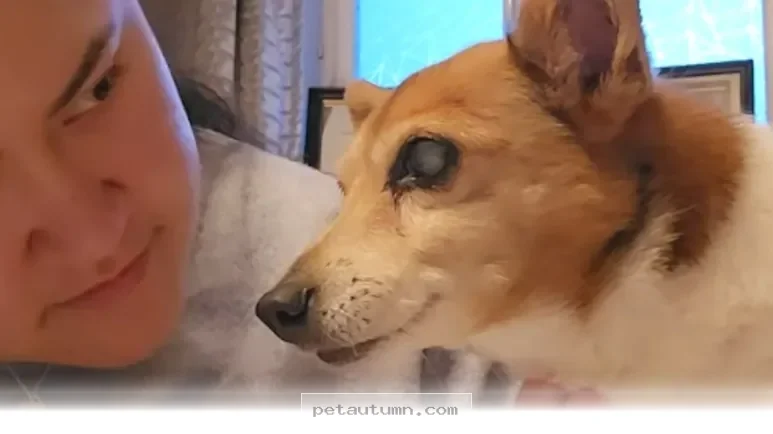
Cammy, a remarkable dog nearing 23 years of age, is a perfect example of how spirit knows no age. While she spends most of her day resting, the simple mention of dinner time sends her into a flurry of happy, youthful energy.
Key Takeaways
- Senior dogs often require modified exercise routines to accommodate changing mobility.
- Mental stimulation remains vital for aging pets to keep their minds sharp and engaged.
- Consistency in daily routines helps senior dogs feel secure and anticipate their favorite activities.
- Always monitor your senior pet for signs of fatigue or discomfort during their active moments.
Understanding Senior Canine Behavior
Watching an elderly dog get the "zoomies" is heartwarming, but it also prompts us to consider how their needs evolve over time. As your dog moves through their late teens and early twenties, their energy levels naturally fluctuate.
You might notice your dog sleeps longer or prefers softer surfaces. These adjustments are completely normal parts of the aging process.
| Activity Level | Typical Senior Behavior |
|---|---|
| High Energy | Short bursts during meal times or greeting owners. |
| Moderate Energy | Gentle walks and sniffing sessions around the yard. |
| Low Energy | Extended naps and preference for quiet resting spots. |
1. Supporting Mobility in Older Dogs
Providing orthopedic bedding is a simple way to help your dog rest comfortably. Look for memory foam options that support their joints and keep them off cold, hard floors.
You can also install ramps or non-slip rugs throughout your home. These minor changes make navigating rooms much easier for pets with limited agility.
2. Nutrition and Enrichment for Seniors
Even as their activity slows, your dog still craves mental engagement. Puzzle toys or scent-based games are excellent ways to keep them busy without placing stress on their bodies.
Consult your veterinarian about age-appropriate nutrition to support joint health and digestion. Maintaining a healthy weight is crucial, as it reduces unnecessary strain on your dog’s aging frame.
3. Monitoring Your Pet’s Health
Senior dogs should visit the vet more frequently to catch any health changes early. You are the best judge of your pet’s baseline, so observe them closely for subtle shifts in behavior or appetite.
Common signs that your senior dog may need extra attention include:
- Difficulty rising from a lying position.
- Increased confusion or disorientation.
- Changes in sleep-wake cycles.
- Decreased interest in previously loved activities.
- Visible stiffness or a change in gait.
According to the American Veterinary Medical Association, regular checkups are essential for managing the health of aging animals. Tailoring your home environment to their changing capabilities ensures they remain comfortable and happy in their twilight years.
4. Creating a Safe Environment
Your home should be a sanctuary where your senior dog feels safe and confident. Ensure that their food and water bowls are easily accessible and located in low-traffic areas.
If you have stairs, consider blocking them off to prevent accidental falls. Using nightlights can also assist dogs who may be experiencing age-related vision loss during their late-night bathroom trips.
5. Celebrating the Golden Years
Cherish these years by focusing on quality time rather than long adventures. A short session of gentle grooming or sitting together quietly on the porch can be just as rewarding as a vigorous play session.
Adapt your expectations to match their current pace. When you meet your dog where they are, you create a peaceful environment that honors their long life by your side.
The information on petautumn.com is for general informational purposes only and does not constitute veterinary advice. Pet health needs vary by breed, age, and individual condition. Always consult a licensed veterinarian before making decisions about your pet’s health, diet, or medical treatment. Pet Autumn is not affiliated with any veterinary organization, pet food manufacturer, or breeder.
Providing a loving home for a dog in their final chapters is a profound responsibility. Your patience and kindness are the greatest gifts you can offer your loyal friend.
By staying observant and attentive, you ensure that every day is filled with comfort. Their wagging tail or happy zoomies at dinner time will continue to brighten your home for as long as they are able.

Dog care writer at petautumn.com. Visual Communication Design graduate (S.Ds) from Universitas Udayana. Covers dog breeds, behavior, training, and gear reviews. Dog dad to Meepo. Based in Austin, Texas.