Written by Ayu Pratiwi
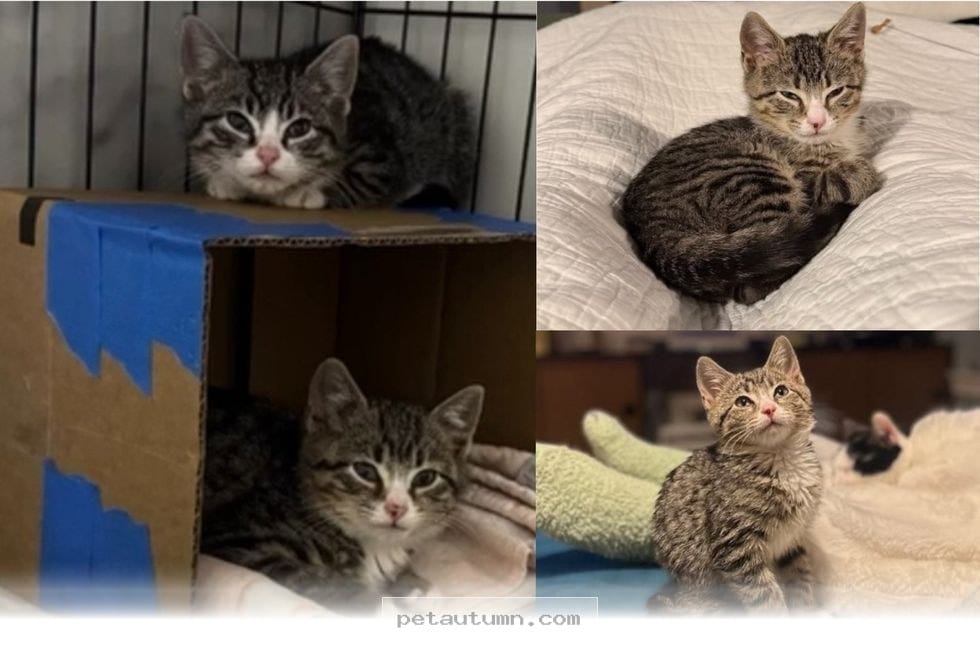
Finding two tiny kittens hiding among rusted metal and jagged debris in a scrap yard is enough to pull at anyone’s heartstrings. These little survivors were clearly out of their element, facing a world that was far too big and dangerous for their small frames.
When rescuers finally scooped them up, the kittens had their own agenda. They were not looking for a handout, but rather a chance to rewrite their future together.
Key Takeaways
- Rescuing feral kittens requires immense patience, quiet spaces, and a consistent routine to build trust.
- Bonded pairs often recover faster and exhibit less anxiety when they have each other for comfort.
- Early socialization is vital for turning shy scrap yard kittens into confident indoor companions.
- Always prioritize a thorough veterinary checkup to address potential parasites or early health concerns.
The Reality of Rescuing Feral Kittens
Turning a feral cat into a house pet is a rewarding journey that tests your dedication. You are essentially asking an animal that views humans as predators to change their entire worldview.
Transitioning from a scrap yard to a living room is a massive adjustment for any cat. They do not understand that the scary sounds of the city have been replaced by the hum of your refrigerator.
1. Preparing Your Space for New Arrivals
Before bringing them home, you must organize a sanctuary room. A quiet bathroom or spare bedroom works best to prevent them from feeling overwhelmed.
- Keep the environment calm and low-traffic.
- Use a pheromone diffuser to help soothe their nerves.
- Provide plenty of soft, hiding spots like cardboard boxes.
- Ensure fresh water and high-quality kitten food are always available.
Since these two kittens were found together, keeping them in the same room is non-negotiable. Their bond is their safety net, and separating them would likely cause unnecessary stress.
Understanding Socialization Challenges
Working with feral kittens is not always a linear process. You might have one day where they purr and the next where they hiss at your shadow.
Recognize that every small step forward is a victory. If they start eating while you are in the room, celebrate that quiet progress.
Common Signs of Fear and Stress
- Hissing or growling when you approach their space.
- Staying tucked away in a corner for most of the day.
- Refusing food while humans are present in the room.
- Wide, dilated pupils indicating they feel threatened or anxious.
If you are considering fostering or adopting kittens with a background like these scrap yard brothers, look at the following comparison table to understand the commitment level involved.
| Feature | Feral Kitten | Socialized Kitten |
|---|---|---|
| Initial Trust | Requires weeks to build | Trusts humans quickly |
| Play Behavior | Tentative and shy | Active and curious |
| Handling | Needs gentle desensitization | Enjoys being held |
| Medical Needs | High risk of parasites | Generally standard care |
2. Building Trust Through Daily Interaction
Consistency is the secret ingredient to gaining a feral kitten’s confidence. You should spend time sitting on the floor at their level without trying to touch them.
Read a book aloud or talk softly to them so they get used to your voice. This helps them recognize that you are a source of comfort rather than a threat.
- Use a feather wand toy to encourage play at a distance.
- Offer high-value treats like lickable cat snacks to create positive associations.
- Never force interaction, as this can break the progress you have made.
- Move slowly and avoid direct, prolonged eye contact, which can feel aggressive.
Building a relationship with a rescued cat is much like gardening. You provide the right environment, offer plenty of love, and then wait patiently for the results to bloom.
Health Considerations for Scrapyard Kittens
Because these kittens spent their early days in a scrap yard, they have likely been exposed to various environmental hazards. Getting them to a vet is the first priority to ensure they get a clean bill of health.
Consulting with ASPCA resources can help you understand the specific needs of community cats. Professional guidance ensures you are providing the best support for their unique background.
Essential Supplies for Your New Pair
- High-calorie kitten wet food for growth.
- A sturdy, easy-to-clean cat carrier for vet visits.
- Multiple litter boxes with non-clumping litter initially.
- A variety of soft blankets for nesting and warmth.
For more information on general feline wellness, you can also look into resources provided by Cornell Feline Health Center. Keeping them healthy is the foundation of a long and happy life together.
The information on petautumn.com is for general informational purposes only and does not constitute veterinary advice. Pet health needs vary by breed, age, and individual condition. Always consult a licensed veterinarian before making decisions about your pet’s health, diet, or medical treatment. Pet Autumn is not affiliated with any veterinary organization, pet food manufacturer, or breeder.
Watching two scrap yard kittens finally learn to nap in a sunbeam is one of the most rewarding experiences you can have. They may have started their lives surrounded by metal and dust, but they have clearly chosen a much brighter path.
Your patience will eventually pay off when they realize they are finally safe. There is nothing quite like the sound of two formerly feral brothers purring in unison on your lap.

Cat care writer at petautumn.com. English Literature graduate (S.S) from Universitas Udayana. Covers cat breeds, behavior, nutrition, grooming, and health. Cat mom to Luna and Lina. Based in Austin, Texas.