Written by Ayu Pratiwi
We often hear the stereotype that cats are antisocial creatures who prefer their own company. While they certainly appreciate a quiet afternoon nap in a sunbeam, our feline friends are actually social beings who form deep bonds with their humans.
Leaving your cat alone for long periods can trigger anxiety, boredom, and a genuine sense of loneliness. Understanding your pet’s emotional needs is the first step toward ensuring they remain happy while you are out earning their favorite treats.
Key Takeaways
- Cats can experience separation anxiety just like dogs.
- Environmental enrichment is crucial for preventing feline boredom.
- Behavioral changes often signal that your cat is lonely.
- Gradual adjustments to your schedule help cats adapt to time alone.
- Professional pet sitting is a great option for extended travel.
Recognizing the Signs of Loneliness
Many owners struggle to recognize feline distress because cats are masters at hiding discomfort. However, if you observe your cat closely, you might notice subtle shifts in their daily behavior.
If you are curious about what constitutes normal feline behavior, you can check these resources from the Cornell Feline Health Center.
1. Behavioral Red Flags
- Excessive vocalization, such as howling or crying when you leave or return.
- Changes in bathroom habits, like avoiding the litter box.
- Over-grooming or pulling out patches of fur.
- Destructive behavior, such as scratching furniture or knocking over items.
- Lethargy or a sudden loss of interest in play.
2. Physical and Emotional Indicators
- Following you around constantly the moment you step through the door.
- Aggression toward other household pets or even toward you.
- Hiding under beds or in closets more frequently than usual.
- Refusal to eat their regular meals while you are away.
Understanding these signals helps you distinguish between a tired cat and one that is truly struggling with solitude.
Transitioning to a more stimulating home environment can help mitigate these symptoms effectively.
Creating a Stimulating Environment
When you cannot be there to provide affection, your home should offer plenty of distractions. A cat that has ways to occupy their mind is much less likely to feel the sting of loneliness.
Essential Enrichment Supplies
- Interactive puzzle feeders that release treats.
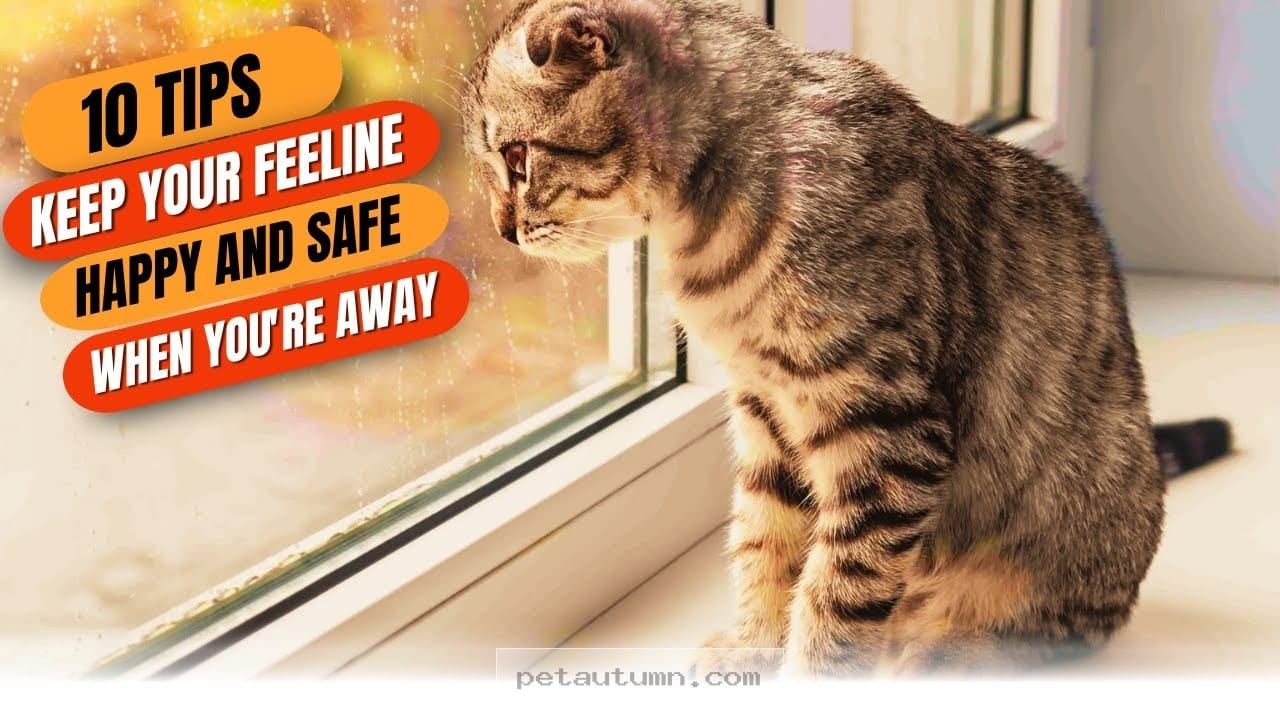
- Window perches for bird watching.
- Vertical spaces like cat trees for climbing.
- Automated laser toys or battery-operated mice.
- Cat grass or safe indoor plants for nibbling.
Comparison of Enrichment Methods
| Method | Benefit | Effectiveness |
|---|---|---|
| Puzzle Feeders | Mental stimulation | High |
| Window Perch | Visual entertainment | Medium |
| Background Radio | Reduces silence | Low |
| Social Isolation | None | Negative |
If you want to read more about keeping your indoor cat occupied, you can find great tips via the ASPCA.
Steps to Ease Separation Anxiety
If your cat shows signs of distress, you should try to change your routine in small, manageable ways. Consistency is the secret ingredient to helping your pet feel secure.
How to Prepare Your Cat for Your Absence
- Establish a consistent daily routine for feeding and play sessions.
- Spend at least fifteen minutes of dedicated playtime right before you leave.
- Leave behind a piece of clothing that carries your scent to provide comfort.
- Consider adopting a second cat if your schedule keeps you away often.
- Hire a pet sitter to visit your home during long workdays.
If you need more professional guidance on behavioral changes, you can look up information at the AVMA.
The information on petautumn.com is for general informational purposes only and does not constitute veterinary advice. Pet health needs vary by breed, age, and individual condition. Always consult a licensed veterinarian before making decisions about your pet’s health, diet, or medical treatment. Pet Autumn is not affiliated with any veterinary organization, pet food manufacturer, or breeder.
Your cat loves you deeply, and your presence is their favorite part of the day. By paying attention to their needs and creating a fun environment, you can ensure they feel safe and happy.
Remember that patience is the best tool you have. Every cat adjusts at their own pace, so stay consistent and keep showering them with love whenever you are home.

Dog care writer at petautumn.com. Visual Communication Design graduate (S.Ds) from Universitas Udayana. Covers dog breeds, behavior, training, and gear reviews. Dog dad to Meepo. Based in Austin, Texas.