Written by Ayu Pratiwi
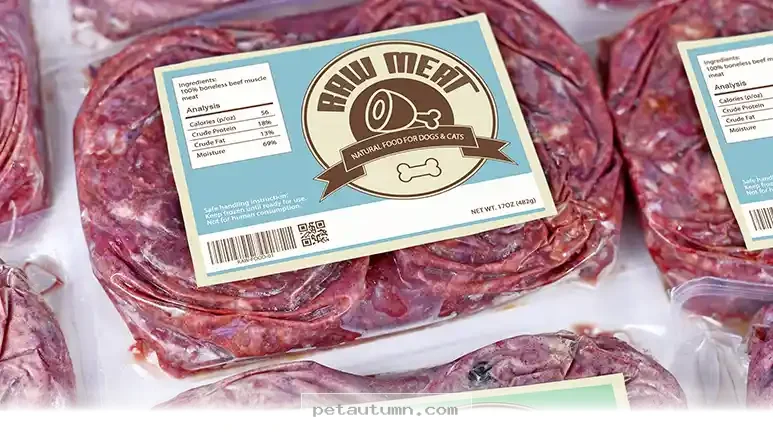
You may have noticed an increase in the number of raw pet food recalls for potential pathogen contamination lately. While the volume of products recalled in each instance is often small, it certainly feels like many raw pet food companies are receiving significant extra scrutiny from regulatory agencies.
As a dedicated cat owner, you might be wondering what these headlines actually mean for your feline companion’s dinner bowl. It is helpful to understand why this shift is happening and how manufacturers are responding to these evolving safety standards.
Key Takeaways
- The FDA has shifted toward a proactive, zero-tolerance policy regarding pathogens like salmonella and E. coli in raw pet food products.
- High Pressure Processing (HPP) is a common method used to eliminate pathogens, though some raw food advocates debate if HPP-treated food remains truly "raw."
- Other pathogen control techniques, such as bacteriophages and fermentation, are being utilized to ensure safety without altering the food’s structure.
- Your choice of pet food brand matters, so look for reputable producers who prioritize transparent safety protocols and quality sourcing.
Why Raw Pet Food Recalls Are Increasing
With the implementation of the Food Safety Modernization Act, the regulatory landscape has changed significantly. The focus has moved from reacting to reported illnesses to conducting large-scale testing of raw diets for potential contamination.
Many pet owners find this frustrating because dogs and cats have evolved with a much higher natural tolerance for foodborne pathogens than humans. Because these animals often harbor such bacteria in their digestive tracts, a zero-tolerance policy for raw meat can seem like an unrealistic standard.
Understanding Pathogen Control Methods
Because of this heightened regulatory pressure, many companies are looking for ways to ensure their products meet safety requirements. Producers generally use a combination of interventions throughout the manufacturing process to minimize risk, though it is difficult to eliminate every trace of bacteria entirely.
Some companies also rely on a "test and hold" system. They sample finished batches and only ship the food if those samples come back clean. Since bacteria are not always evenly distributed in food, this method is not always foolproof.
1. High Pressure Processing (HPP)
This technique is a non-thermal pasteurization method that uses intense hydrostatic pressure to neutralize microbes. It is favored by some for its ability to extend shelf life while maintaining the physical appearance of the food.
2. Bacteriophages and Fermentation
Some manufacturers are turning to biological controls like bacteriophages, which are naturally occurring viruses that target specific bacteria. Fermentation is another process that encourages the growth of beneficial bacteria, which in turn helps outcompete harmful pathogens.
| Method | Benefit | Potential Concern |
|---|---|---|
| HPP | Eliminates most pathogens | May denature proteins |
| Bacteriophages | Highly specific and safe | Does not affect all bacteria |
| Fermentation | Naturally inhibits growth | Alters the final flavor profile |
| Test and Hold | Verifies safety of batches | Sampling may miss contamination |
The Debate Over "Truly Raw" Food
If you are a proponent of raw feeding, you might have strong feelings about these processing methods. Many advocates argue that high-pressure processing changes the biological integrity of the food.
Research suggests that high pressure can cause proteins to denature and may eliminate the beneficial bacteria that many raw feeders hope to provide their pets. Additionally, some critics worry about the potential for plastic residues leaching into food under such high pressure.
It is worth noting that if you choose to feed your cat raw, you are balancing various factors regarding safety and nutrition. Your primary goal is to provide a diet that supports your cat’s health while mitigating risks.
The information on petautumn.com is for general informational purposes only and does not constitute veterinary advice. Pet health needs vary by breed, age, and individual condition. Always consult a licensed veterinarian before making decisions about your pet’s health, diet, or medical treatment. Pet Autumn is not affiliated with any veterinary organization, pet food manufacturer, or breeder.
When evaluating the safety of the food you serve, look for companies that are transparent about their sourcing and quality control. You can find more information on handling raw diets safely through resources like the American Veterinary Medical Association.
Taking the time to research your pet food brand ensures you are making the best decision for your cat. By staying informed, you can navigate the complexities of modern pet nutrition with confidence and clarity.

Dog care writer at petautumn.com. Visual Communication Design graduate (S.Ds) from Universitas Udayana. Covers dog breeds, behavior, training, and gear reviews. Dog dad to Meepo. Based in Austin, Texas.