Written by Kadek Darma
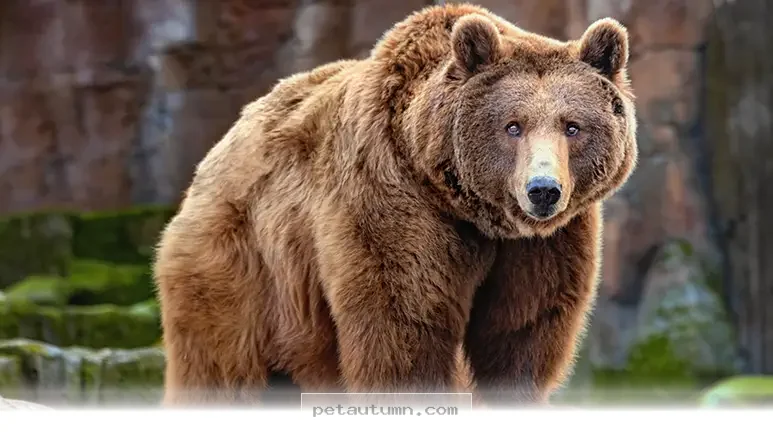
The grizzly bear has been an iconic symbol of the American West for centuries. With their massive frames and powerful presence, these bears once roamed freely from the Arctic down to the coast of California.
However, the landscape has shifted drastically since the early 20th century. Today, seeing a grizzly in the wild is a rare experience reserved for those traveling to specific national parks or remote Alaskan wilderness areas.
Key Takeaways
- The grizzly bear has been officially listed as an endangered species since 1975.
- California once supported a population of 10,000 grizzlies before their local extinction in the 1920s.
- Conservation groups have identified over 100,000 square miles of potential habitat across five Western states.
- Reintroduction proposals spark intense debate regarding public safety and the feasibility of coexisting with large predators.
- Most remaining grizzly populations in the lower 48 states are isolated, raising concerns about long-term genetic health.
The History of Grizzlies in California
For many, the California grizzly represents a lost chapter of the state’s natural heritage. These animals were unique, often reaching weights between 1,200 and 2,200 pounds due to a year-round abundance of food and a mild climate that eliminated the need for long hibernation.
Despite their historical abundance, the last confirmed sighting in California occurred back in 1924. Rapid human expansion, combined with the bears’ tendency to stand their ground when challenged, led to a tragic decline that ultimately wiped them out of the region.
Why Reintroduction Is Complicated
Moving large predators back into areas they haven’t inhabited for nearly a century is a massive undertaking. The primary hurdle involves the current state of the California landscape, which is now heavily developed and densely populated.
- Habitat Fragmentation: Much of the bears’ original range is now covered by cities, highways, and agricultural land.
- Human-Wildlife Conflict: Grizzly bears, particularly females protecting cubs, can exhibit aggressive behavior when encountering humans.
- Resource Availability: Providing enough territory to support a viable population without encroaching on private property remains a significant logistical challenge.
- Public Safety Concerns: Residents in rural and suburban areas often express fear regarding the risks posed by such large, powerful apex predators.
Evaluating the Potential for Recovery
Conservationists argue that expanding the range of the grizzly is essential for their survival as a species. Current recovery efforts are largely confined to isolated pockets like Yellowstone and Glacier National Park, which can lead to inbreeding and vulnerability to environmental changes.
| Factor | Positive Impact | Potential Risk |
|---|---|---|
| Biodiversity | Restores natural ecosystem balance | N/A |
| Public Safety | Promotes outdoor awareness | Higher chance of bear-human encounters |
| Infrastructure | N/A | Conflict with ranching and local agriculture |
Proponents suggest that connecting these isolated populations is a necessary step for their long-term survival. You can learn more about official protection status through the U.S. Fish and Wildlife Service.
Steps for Coexistence
If reintroduction were ever to move forward, it would require a significant shift in how local communities manage their surroundings. Education and proactive safety measures are the foundations of living near large wildlife.
- Secure Attractants: Residents must keep trash, pet food, and livestock feed in bear-proof containers to avoid drawing animals near homes.
- Education Initiatives: Communities would need rigorous training on how to behave during a bear encounter, including the use of deterrents.
- Zoning and Planning: Authorities would need to identify corridors that allow bears to move safely through the landscape without entering high-density human zones.
- Ongoing Monitoring: Constant tracking of bear movements via GPS collars helps wildlife managers predict and prevent potential conflicts before they occur.
- Community Dialogue: Open forums ensure that the concerns of farmers, hikers, and local residents are addressed by conservation experts.
While some individuals see the return of the grizzly as a moral imperative to undo past damage, others remain skeptical of the practical dangers. Balancing these viewpoints is essential for any successful wildlife management policy.
The information on petautumn.com is for general informational purposes only and does not constitute veterinary advice. Pet health needs vary by breed, age, and individual condition. Always consult a licensed veterinarian before making decisions about your pet’s health, diet, or medical treatment. Pet Autumn is not affiliated with any veterinary organization, pet food manufacturer, or breeder.
Deciding whether to support the return of these majestic animals is a deeply personal choice that often depends on where you live and how you interact with the wilderness. There is no simple answer that satisfies everyone, as the needs of humans and wildlife frequently overlap.
As research continues, the focus will likely remain on finding ways to protect the species while ensuring the safety of those who share the land. Regardless of the outcome, the conversation itself highlights our enduring fascination with one of nature’s most powerful creatures.

Dog care writer at petautumn.com. Visual Communication Design graduate (S.Ds) from Universitas Udayana. Covers dog breeds, behavior, training, and gear reviews. Dog dad to Meepo. Based in Austin, Texas.