Written by Kadek Darma
Responsible pet ownership goes beyond providing food, shelter, and affection. It also means understanding your dog on a deeper level, including how they communicate, what makes them uncomfortable, and what happens when they feel they have no other choice but to bite.
Dog bites are more common than most people realize. The good news is that most incidents are entirely preventable when you are equipped with the right knowledge and observation skills.
Key Takeaways
- Any dog can bite regardless of breed, size, or history, making awareness essential for every owner.
- Bites are rarely random; they are usually a response to fear, pain, stress, or perceived threats.
- Recognizing early body language cues like stiff posture or yawning allows you to intervene before a bite happens.
- Proper training, early socialization, and regular health checkups are your best tools for minimizing behavioral risks.
The Science of Canine Bite Force
A dog’s bite is not just a quick snap of the jaws. It is a physical force that varies dramatically based on size, breed, and jaw structure.
Bite force is measured in pounds per square inch (PSI), which reflects the pressure applied to a specific point. While higher PSI numbers indicate more power, they do not tell the whole story of how dangerous a situation might be.
| Dog Type/Category | Estimated PSI Range |
|---|---|
| Small Breeds (e.g., Terrier) | Under 150 PSI |
| Medium Breeds (e.g., Herding) | 200 – 250 PSI |
| Large Breeds (e.g., Guardian) | 300+ PSI |
| Giant Breeds (e.g., Mastiff) | 500+ PSI |
Understanding these physical differences helps you manage your dog’s environment, but remember that any dog can cause injury. Sensitive areas like the face and hands are particularly vulnerable to even the smallest of dogs.
Why Do Dogs Bite?
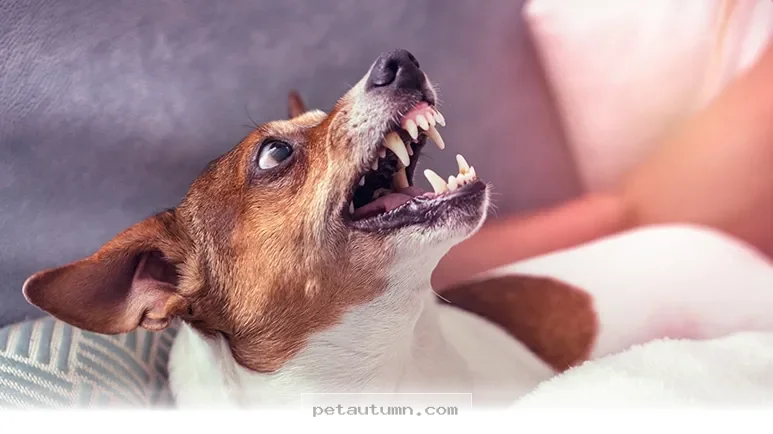
Dogs do not bite without a reason. In most cases, a bite is a reaction to a situation the dog perceives as threatening or overwhelming.
Common triggers for these reactions include:
- Fear or feeling trapped when a dog cannot easily escape a situation.
- Pain or underlying illness that makes a dog feel vulnerable or defensive.
- Territorial instincts regarding their home, yard, or family members.
- Resource guarding of food, toys, or specific resting spots.
- Overstimulation during play that causes the dog to lose focus.
Recognizing Warning Signs
Body language plays a central role in canine communication. Before a dog resorts to biting, they almost always communicate their discomfort through a series of escalating signals.
You can prevent most issues by spotting these signs early:
- Stiff Posture: A sudden freeze in movement often signals high tension.
- Hard Stare: A "whale eye" or an unblinking, fixed gaze is a major warning.
- Displacement Behaviors: Yawning, lip licking, or sniffing the ground when no food is present.
- Distance Increasing Signals: Turning the head away or moving slowly to create space.
- Vocalizations: Growling, lunging, or snapping are final warnings that immediate action is needed.
Learning to read these cues creates a vital window for you to de-escalate the situation. If you see these signs, calmly move your dog away from the trigger and provide them with space to recover.
Managing Bite Risk at Home
Preventing bites starts with proactive management of your dog’s daily life. You are the advocate for your pet’s emotional well-being.
- Prioritize Training: Focus on positive reinforcement training to build a strong, trusting bond.
- Socialize Carefully: Introduce your dog to new people, animals, and environments slowly and on their own terms.
- Respect Boundaries: Teach children and guests to leave a dog alone when they are eating, sleeping, or in their crate.
- Regular Vet Visits: Use preventative care resources to ensure your dog is not suffering from undiagnosed pain.
- Environmental Control: Use gates or leashes in situations where your dog may feel overwhelmed or anxious.
If you ever feel your dog’s behavior is becoming unpredictable, consult a professional trainer or a veterinary behaviorist. They can help you identify specific triggers and create a custom plan for your pet.
The information on petautumn.com is for general informational purposes only and does not constitute veterinary advice. Pet health needs vary by breed, age, and individual condition. Always consult a licensed veterinarian before making decisions about your pet’s health, diet, or medical treatment. Pet Autumn is not affiliated with any veterinary organization, pet food manufacturer, or breeder.
Building a safe relationship with your dog requires patience and active observation. By learning to recognize your dog’s unique language, you can build a deeper bond while keeping everyone safe.
Take the time to observe how your dog reacts to different stimuli throughout the day. When you pay attention to the small cues, you set both yourself and your furry friend up for a much happier life together.

Dog care writer at petautumn.com. Visual Communication Design graduate (S.Ds) from Universitas Udayana. Covers dog breeds, behavior, training, and gear reviews. Dog dad to Meepo. Based in Austin, Texas.