Written by Kadek Darma
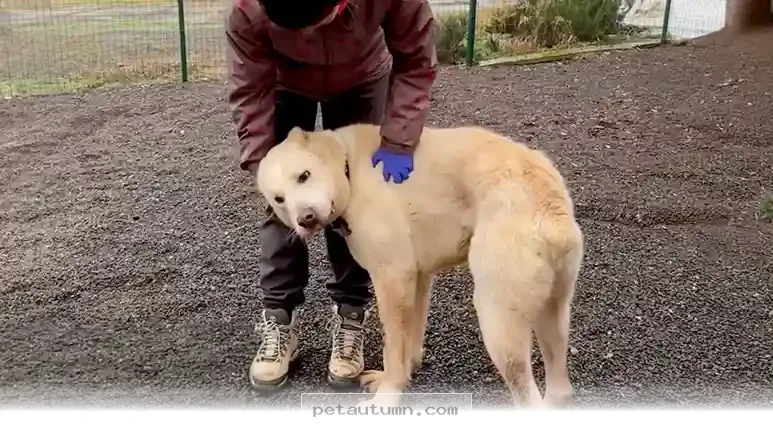
Have you ever imagined your dog struggling to perform a basic, daily function like opening their mouth? For a brave pup named Skye, this was a heartbreaking reality for three long years.
Living with such a severe limitation meant Skye faced constant challenges just to eat or play. Watching him persevere through this hardship is a powerful reminder of how resilient our four-legged companions can be.
Key Takeaways
- Skye lived with a locked jaw for three years, severely impacting his quality of life.
- Specialized veterinary surgery was the only path forward to restore his ability to open his mouth.
- Post-operative recovery requires patience and diligent physical therapy to help the dog regain muscle function.
- Witnessing a pet overcome chronic pain and physical limitations is an incredibly emotional journey for owners.
The Struggle of a Locked Jaw
When a dog cannot open their mouth, it affects more than just their ability to enjoy a treat. It impacts their grooming, their ability to pant for cooling, and their social interactions with other dogs.
You might wonder how a dog survives this condition. Often, they rely on liquid nutrition or soft diets, which can lead to other health complications over time.
1. Understanding Jaw Mobility Issues
Jaw issues in dogs can stem from various causes, ranging from congenital defects to traumatic injuries. Recognizing the signs early is essential for your dog’s long-term comfort.
- Difficulty picking up toys or treats.
- Excessive drooling or inability to swallow properly.
- Visible swelling around the jawline or muzzle.
- Reluctance to play or engage in normal mouth-related behaviors.
- Unexplained weight loss due to an inability to chew food.
A Second Chance at Life
For Skye, the turning point came when dedicated veterinarians stepped in to perform a life-changing procedure. Surgery on the jaw is complex and requires significant post-operative care to ensure the bone heals correctly.
The video footage of Skye opening his mouth for the first time is truly touching. It captures the exact moment his life changed forever.
Comparing Treatment Approaches
| Treatment Type | Benefits | Potential Risks |
|---|---|---|
| Surgical Correction | Restores function and long-term quality of life. | Requires anesthesia and significant recovery time. |
| Physical Therapy | Improves range of motion and muscle strength. | Slow progress; requires high owner commitment. |
| Supportive Care | Provides comfort during healing stages. | Does not address the root mechanical cause. |
Recovery and New Beginnings
After surgery, the real work begins for the dog and the owner. It is not as simple as waking up and chewing a bone immediately. Dogs often have to "re-learn" how to use their jaw muscles after years of atrophy.
You must be patient as your dog adjusts to their new normal. Providing a supportive environment is the best way to help them regain their confidence.
Tips for Supporting Your Recovering Dog
- Follow Veterinary Guidance: Stick strictly to the recovery plan provided by your vet.
- Monitor Food Consistency: Start with very soft, vet-approved foods to avoid stressing the jaw.
- Gentle Physical Therapy: Perform guided jaw movements only as recommended by a professional.
- Create a Stress-Free Zone: Ensure your dog has a quiet space to rest away from loud noises.
- Maintain Regular Check-ups: Visit your clinic frequently to monitor healing progress and adjustments.
The Power of Resilience
Seeing Skye finally able to open his mouth is a testament to the advancements in veterinary medicine. It also highlights the incredible bond between humans and animals when we commit to their well-being.
Whether you are dealing with a minor dental issue or a complex surgical recovery, stay positive. Your support is the most important factor in your dog’s healing journey.
The information on petautumn.com is for general informational purposes only and does not constitute veterinary advice. Pet health needs vary by breed, age, and individual condition. Always consult a licensed veterinarian before making decisions about your pet’s health, diet, or medical treatment. Pet Autumn is not affiliated with any veterinary organization, pet food manufacturer, or breeder.
If you are concerned about your dog’s jaw health, you can find more information through resources like the American Veterinary Medical Association or the Cornell University College of Veterinary Medicine. Early intervention is always the safest route for your pet.
Remember to keep a close eye on your dog’s behavior daily. By observing small changes in their habits, you can often spot health concerns before they escalate into major issues.

Dog care writer at petautumn.com. Visual Communication Design graduate (S.Ds) from Universitas Udayana. Covers dog breeds, behavior, training, and gear reviews. Dog dad to Meepo. Based in Austin, Texas.