Written by Ayu Pratiwi
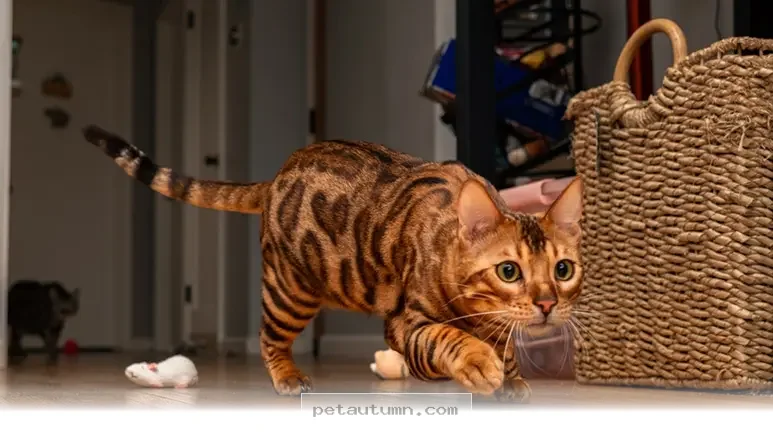
You bolt upright in bed as a furry blur thunders past your bedroom door. You reach for your phone to check for intruders, only to see a pair of glowing eyes peering from the hallway. Your cat is currently performing a high-speed sprint across your home, looking at you like you are the one behaving strangely.
This is the classic midnight zoomie. If you have lived with a cat for any length of time, you have witnessed these chaotic marathons, usually at the worst possible hour. The good news is that these sprints have a formal name and a scientific explanation, meaning you can often nudge them toward a more civilized schedule.
Key Takeaways
- Cat zoomies, or Frenetic Random Activity Periods (FRAPs), are normal, short-lived bursts of energy that allow cats to release pent-up physical tension.
- Cats are crepuscular, meaning they are naturally hardwired to be most active at dawn and dusk, which is why their peak energy often coincides with your sleep schedule.
- Common triggers include post-litter-box relief, excitement from your return home, or a displaced hunting instinct that needs a healthy outlet.
- While most zoomies are harmless, sudden changes in frequency, especially in older cats, may signal underlying health issues like hyperthyroidism or discomfort.
- You can manage the timing by implementing a routine of active evening play followed by a meal to naturally transition your cat toward a restful night.
Understanding the Science of Zoomies
Cat zoomies are those sudden, frenetic bursts of energy that make your cat look like a small, furry tornado. Veterinarians and behaviorists refer to these as Frenetic Random Activity Periods (FRAPs).
These sessions typically last only a minute or two. That is because sprinting at full speed burns through a significant amount of energy, and cats are built for short, explosive bursts rather than long endurance.
Why Your Cat Thrives at Night
The biggest clue to the timing lies in a biological term most pet owners have never heard: crepuscular. Cats are not truly nocturnal; they are naturally most active during the low-light hours of dawn and dusk.
Your cat’s daily routine often involves long naps while you are away at work. By the time you finally settle in for the evening, your cat has finished a long rest and is ready for prime time.
1. The Crepuscular Clock
Because cats are programmed to hunt at dawn and dusk, their internal clocks often wake them up just as you are drifting off to sleep. This evolutionary instinct is difficult to override entirely, but it can be managed with a consistent daily routine.
2. Common Triggers for Midnight Sprints
Learning to recognize what triggers a zoomie session can help you predict and manage them. The following table outlines the most common reasons your cat might decide it is time to race through your living room.
| Trigger | Nature of Behavior | Action Level |
|---|---|---|
| Post-Litter Box | Often a sign of physical relief or instinctual flight | Normal |
| Excitement | A reaction to your arrival or a new toy | Normal |
| Hunting Drive | Displaced energy from a lack of prey | Needs Play |
| Pain/Discomfort | Frequent, aggressive, or painful-looking sprints | Consult Vet |
Managing the Energy Levels
You can often reduce the frequency of middle-of-the-night sprints by providing better outlets for your cat’s energy. The most effective method is to engage your cat in a structured play session roughly an hour before you plan to go to sleep.
Steps to Shift the Schedule
- Engage in Hunt-Style Play: Use a wand toy to simulate prey movement for 10 to 15 minutes. Ensure your cat is actually jumping and running rather than just watching.
- Provide a Large Evening Meal: After the play session, offer their primary meal of the day. A full stomach acts as a natural sedative, triggering the "hunt, catch, kill, eat, sleep" cycle.
- Utilize Puzzle Feeders: During the day, use food puzzles to keep your cat mentally engaged so they do not save all their energy for the night.
- Create Vertical Space: Ensure your cat has access to tall cat trees or shelving. Climbing provides excellent exercise that is quiet enough to not wake you up.
When to Seek Veterinary Advice
While the vast majority of zoomies are healthy, you should pay attention to sudden changes in behavior. If your cat’s zoomies become more frequent, aggressive, or are accompanied by other signs of distress, it is time for a checkup.
Warning Signs to Watch
- Sudden, drastic increases in intensity or frequency of zoomies.
- Signs of pain during or after a sprint, such as vocalizing or limping.
- Changes in appetite, weight, or excessive thirst alongside the frantic behavior.
- Disorientation or aimless pacing that does not resemble typical play.
As noted by the American Veterinary Medical Association, sudden behavioral changes in pets should always be evaluated by a professional. If you notice your cat struggling to settle down or showing signs of agitation, contact your local clinic to rule out underlying conditions like hyperthyroidism or feline cognitive dysfunction.
The information on petautumn.com is for general informational purposes only and does not constitute veterinary advice. Pet health needs vary by breed, age, and individual condition. Always consult a licensed veterinarian before making decisions about your pet’s health, diet, or medical treatment. Pet Autumn is not affiliated with any veterinary organization, pet food manufacturer, or breeder.
Creating a routine that respects your cat’s natural instincts is the best way to live in harmony. By providing the right outlets for their prey drive during the day, you can help them wind down when the sun goes down.
Remember that patience is key when adjusting a cat’s schedule. Small, consistent changes in their daily routine will eventually lead to a more peaceful night of sleep for both of you.

Dog care writer at petautumn.com. Visual Communication Design graduate (S.Ds) from Universitas Udayana. Covers dog breeds, behavior, training, and gear reviews. Dog dad to Meepo. Based in Austin, Texas.