Written by Ayu Pratiwi
If you share your home with one or more kitties and happen to have a green thumb, have you considered starting a feline-friendly herb garden? Certain plants provide wonderful health benefits for your cat, while others serve as gentle, natural remedies for common feline ailments.
Even if you lack a sprawling backyard, you can easily cultivate these greens on a sunny windowsill, balcony, or small patio. These herbs are generally low-maintenance, making them a perfect project for any busy cat parent looking to support their pet’s well-being.
Key Takeaways
- Growing your own cat-friendly herbs provides a fresh, natural way to support your pet’s digestion, skin health, and immune system.
- Many feline-safe herbs, such as catnip and valerian, can act as natural enrichment to help keep your indoor cat physically active and mentally stimulated.
- Certain herbs like dandelion root and licorice root can be prepared as teas to help soothe occasional itching or digestive discomfort.
- Always ensure your garden is free of pesticides and fertilizers that could be harmful to your cat.
- Individual sensitivity varies, so introduce new herbs slowly to observe your cat’s specific reaction.
7 Cat-Friendly Herbs to Grow at Home
Creating an apothecary garden is a rewarding way to bond with your pet while keeping their environment enriched. Whether you are addressing minor skin irritations or looking for new ways to play, these seven herbs are excellent additions to your household.
1. Catnip (Nepeta cataria)
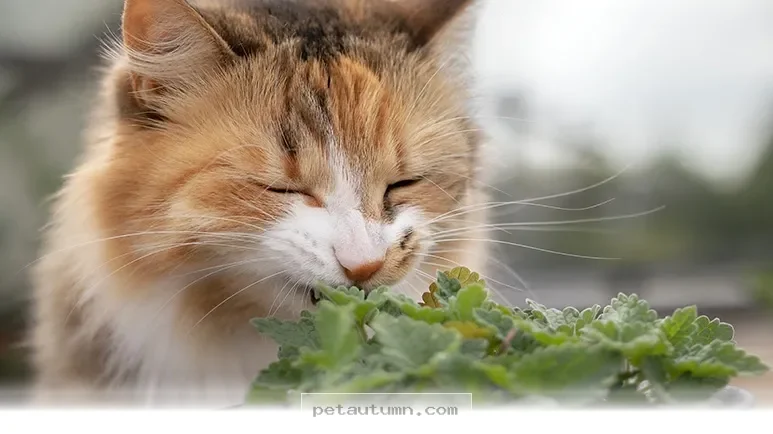
Catnip belongs to the mint family and contains a chemical called nepetalactone, which triggers a euphoric response in many cats. It is neither harmful nor addictive, and your cat’s reaction often depends on how they interact with the plant.
- Sniffing: Often produces a stimulant effect, leading to playfulness.
- Ingesting: Typically provides a calming, sedative effect.
- Non-responders: If your cat ignores catnip, try silver vine or Tatarian honeysuckle as alternatives.
2. Cat Thyme (Teucrium marum)
Despite its name, this is actually a type of germander rather than a true culinary thyme. It produces beautiful grey-green leaves with delicate pink flowers that bloom during the summer months.
- Effect: Many cats find the scent highly attractive and may roll in it or nibble the leaves.
- Consideration: The herb has a slightly musty odor that some humans find unpleasant, though cats usually adore it.
3. Dandelion Root and Cat’s Claw
These two herbs are often used together to support immune health and soothe skin issues. Dandelion root is particularly helpful for supporting healthy digestion and liver function.
| Herb | Primary Benefit | Usage Tip |
|---|---|---|
| Dandelion Root | Digestion & Liver Support | Dry in the oven before mincing |
| Cat’s Claw | Immune Modulation | Use the inner bark for teas |
| Combined | Itch Relief | Brew as tea and cool before use |
4. Valerian
Native to Europe and Asia, valerian is well-known as a human sleep aid, but it affects cats quite differently. It acts as a natural olfactory stress buster and can provide a boost for sedentary kitties.
- Stimulant: Encourages physical activity in less active cats.
- Calming: Helps reduce stress through its scent.
5. Peppermint, Chamomile, and Rosemary
These three herbs are powerful allies for feline skin health. They contain natural properties that soothe itching and can even act as mild, natural pest repellents when used in a dip.
- Steep 2 cups of fresh, packed herbs in 1 quart of boiling water for 30 minutes.
- Strain the liquid thoroughly to remove all plant material.
- Dilute the concentrate with 4 quarts of warm water.
- Pour the mixture over your cat’s coat, avoiding the head and face, and let it air dry.
Warning: Never substitute essential oils for fresh herbs, as concentrated oils can be highly toxic to cats.
6. Licorice Root
Licorice root is often favored by cats for its sweet taste, but it also serves as a helpful anti-inflammatory. It is frequently used to support cats dealing with minor respiratory issues or digestive sensitivities.
- Consult your veterinarian before using this regularly to ensure it is appropriate for your cat’s specific health profile.
- Always ensure you are using a high-quality, pet-safe source.
7. Sprouted Sunflower Seeds
While not a traditional "herb," these sprouts are a fantastic, nutrient-dense alternative to standard cat grass. They provide a crunchy texture that many cats enjoy and are packed with beneficial phytonutrients.
- Easy to grow: You can sprout them in a small tray on your kitchen counter within a few days.
- Safety: They provide a safe outlet for cats who feel the urge to nibble on your houseplants.
Understanding Safety and Application
Before introducing any new botanical item into your home, it is important to understand that every cat is unique. While these herbs are generally considered safe, you should always monitor your cat for any signs of gastrointestinal upset or behavioral changes.
Best Practices for Your Herbal Garden
- Avoid chemical fertilizers: Use only organic, pet-safe potting soil for your indoor containers.
- Placement: Keep your herbs in a spot that receives plenty of sunlight but remains accessible for your cat to interact with safely.
- Pesticide-free: If you harvest herbs from an outdoor garden, ensure they have not been treated with synthetic pesticides or herbicides.
The information on petautumn.com is for general informational purposes only and does not constitute veterinary advice. Pet health needs vary by breed, age, and individual condition. Always consult a licensed veterinarian before making decisions about your pet’s health, diet, or medical treatment. Pet Autumn is not affiliated with any veterinary organization, pet food manufacturer, or breeder.
Growing these plants can be a wonderful way to enhance your cat’s daily life. Remember to start with small amounts to ensure your kitty enjoys the experience and benefits from these natural additions.
If you ever notice unusual symptoms or have questions about how these herbs interact with your cat’s current diet or health status, reach out to your local veterinarian. They can provide guidance tailored to your pet’s specific needs, ensuring your green thumb efforts remain safe and enjoyable for everyone involved.

Dog care writer at petautumn.com. Visual Communication Design graduate (S.Ds) from Universitas Udayana. Covers dog breeds, behavior, training, and gear reviews. Dog dad to Meepo. Based in Austin, Texas.