Written by Kadek Darma
Few things make pet parents feel guiltier than watching their dog walk into walls, freeze in doorways, or struggle to reach the water bowl while wearing a giant plastic cone. That is usually the moment you start wondering if there is a better option to help your pet heal comfortably without letting them lick, scratch, or chew their surgical sites or irritated skin.
The reality is that not all recovery collars work the same way. Some improve comfort while still protecting the healing area, while others allow surprisingly easy access to stitches or hot spots if your dog is particularly determined. Choosing the right style depends on your dog’s injury, body shape, and overall temperament during their recovery period.
Key Takeaways
- Recovery collars prevent pets from reopening wounds or damaging healing skin through constant licking, scratching, and chewing.
- Traditional plastic cones remain highly effective, but soft alternatives may work better for certain injuries or stress-prone dogs.
- Inflatable collars, recovery suits, and neck-brace styles each offer different levels of coverage, mobility, and restriction.
- Gradually introducing a collar with treats and short practice sessions can significantly reduce your dog’s stress.
- Small home adjustments like raised bowls and cleared walkways help your pet navigate safely while wearing their protective gear.
Understanding Recovery Options
Recovery collars are essential tools for managing post-surgical healing, hot spots, or skin infections. They prevent your dog from reaching sensitive areas, which is crucial because constant licking introduces bacteria and prevents the tissue from knitting back together properly. The American Kennel Club notes that while these devices are often disliked, they are vital for protecting a healing incision.
1. Traditional Elizabethan Collars
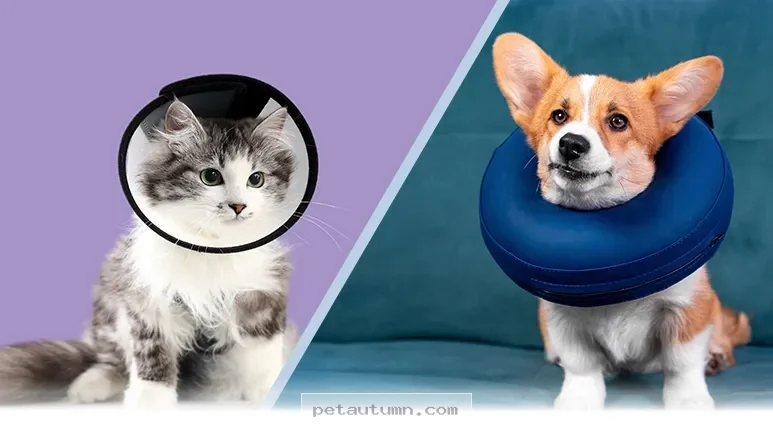
The classic "cone of shame" is the most common recovery tool for a reason. Its rigid plastic design provides a physical barrier that is very difficult for most dogs to bypass, even if they are persistent.
- Pros: Highly effective for almost all body areas; creates a clear, impenetrable barrier.
- Cons: Can be noisy when hitting walls; may obstruct peripheral vision; makes drinking and eating challenging.
- Best For: Surgery sites on paws, tails, or rear legs where extra protection is required.
2. Soft Fabric Cones
These collars maintain the classic cone shape but use flexible, padded materials instead of stiff plastic. Many owners find their dogs are much happier with these because they don’t produce that loud "thud" when the dog bumps into a doorway.
- Pros: Lightweight and quiet; easier for the dog to nap in comfortably.
- Cons: Flexible sides can sometimes be bent or compressed by a determined chewer; less effective for eye or facial injuries.
- Best For: Dogs that are sensitive to the bulk or noise of plastic cones.
3. Inflatable and Padded Collars
These look like travel neck pillows and work by limiting the dog’s ability to turn their head. They allow for much better visibility and are generally more comfortable for the pet during daily activities.
- Pros: Allows for a full field of vision; doesn’t get stuck on furniture; very comfortable for sleeping.
- Cons: Not suitable for injuries on the paws or tail, as the dog can still bend their body to reach those areas.
- Best For: Injuries on the torso, back, or neck area.
4. Recovery Suits
A recovery suit is essentially a specialized onesie that covers the wound site directly. Since it doesn’t restrict the head or neck, many dogs barely notice they are wearing it.
- Pros: No interference with vision or movement; keeps the surgical site clean and dry.
- Cons: Can trap moisture if not changed regularly; not effective for injuries on the face or feet.
- Best For: Spay/neuter sites or abdominal surgeries.
Comparison Table for Recovery Gear
| Collar Type | Visibility | Comfort Level | Protection Level | Best For |
|---|---|---|---|---|
| Plastic Cone | Low | Low | High | Paws and Tail |
| Soft Cone | Medium | Medium | Medium | General Surgery |
| Inflatable | High | High | Low/Medium | Torso/Back |
| Recovery Suit | High | High | Medium | Abdominal |
Note: Always verify the best protection method for your dog’s specific surgery with your veterinarian.
Selecting the right tool for your dog requires balancing your pet’s comfort with the need to protect the injury site.
Tips for a Stress-Free Recovery
- Start Early: If you know a surgery is coming, let your dog wear the collar for short periods while giving them treats and praise.
- Raise the Bowls: Use a stack of books or a dedicated stand to elevate food and water bowls, making it easier for your dog to reach them while wearing a cone.
- Clear the Path: Move fragile items or low furniture that your dog might accidentally bump into while they are getting used to their new width.
- Monitor Closely: Even with a collar, keep an eye on your pet to ensure they aren’t finding creative ways to bypass the protection.
- Keep it Clean: Regularly wipe down plastic cones and wash fabric collars or suits to prevent bacteria buildup that could irritate the skin.
The information on petautumn.com is for general informational purposes only and does not constitute veterinary advice. Pet health needs vary by breed, age, and individual condition. Always consult a licensed veterinarian before making decisions about your pet’s health, diet, or medical treatment. Pet Autumn is not affiliated with any veterinary organization, pet food manufacturer, or breeder.
Recovery can be a trying time for both you and your pet, but remember that these tools are temporary measures. With a little patience and the right choice of gear, your dog will be back to their normal self in no time.
If you find that your dog is still struggling, don’t hesitate to reach out to your veterinary team for advice on alternative styles or sizing. Providing a calm environment and plenty of positive reinforcement will go a long way in making the healing process smoother for everyone involved.

Dog care writer at petautumn.com. Visual Communication Design graduate (S.Ds) from Universitas Udayana. Covers dog breeds, behavior, training, and gear reviews. Dog dad to Meepo. Based in Austin, Texas.