Written by Kadek Darma
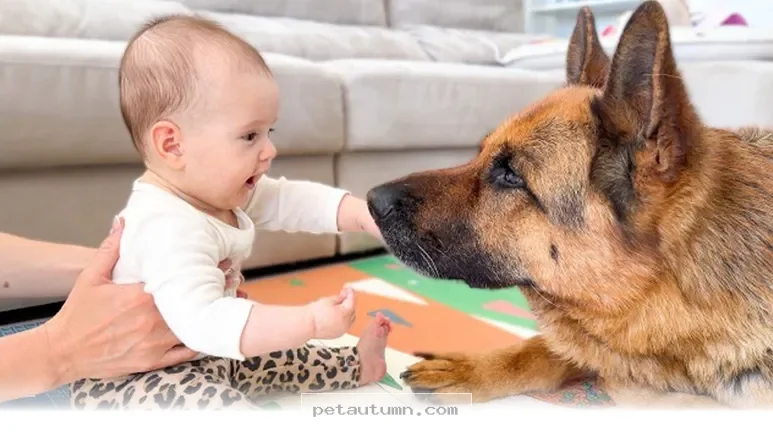
Watching your baby interact with a family dog for the first time is truly magical. It is the beginning of a lifelong friendship filled with unconditional love, laughter, and a unique kind of companionship that only a pet can provide.
As your little one starts to explore the world, having a four-legged partner by their side creates a sense of comfort. Whether they are learning to sit, crawl, or take those first wobbly steps, your dog often acts as a patient, steady guardian.
Key Takeaways
- Strong bonds between children and dogs develop through mutual respect and constant, gentle interaction.
- Supervision is essential during every single encounter to ensure both your baby and pet stay safe.
- Teaching children to read canine body language helps prevent accidental stress or overstimulation for the dog.
- Consistency in training and providing a quiet space for your dog are vital for a happy home environment.
Why the Bond Between Babies and Dogs Is So Special
When a dog becomes your child’s first best friend, they are doing much more than just playing. They are teaching your child about empathy, responsibility, and the silent language of non-verbal communication.
This bond often begins with shared curiosity. Your dog might sniff your baby’s toes, while your baby reaches out to touch the soft fur of their new companion.
1. Safety First: The Golden Rules of Interaction
While the images of babies cuddling with dogs are incredibly sweet, safety must always come first. You should never leave your infant or toddler alone with your dog, no matter how well-behaved your pet is.
It is helpful to recognize the signs that your dog might need a break from the activity. If your dog turns their head away, licks their lips frequently, or leaves the room, they are telling you they need space.
Common Signs of Canine Stress
- Excessive yawning when not tired.
- Showing the whites of the eyes.
- Tucked tail or flattened ears.
- Lip licking or flicking the tongue.
2. Preparing Your Dog for a New Family Member
Bringing a baby home is a big transition for a dog who is used to being the center of attention. You can prepare your pup by gradually introducing the sounds and smells of a baby long before your little one arrives.
Establish a routine that keeps your dog feeling secure during busy days. According to the American Kennel Club, maintaining a consistent exercise schedule helps reduce anxiety in pets during major life changes.
Essential Supplies for a Multi-Pet Household
| Supply Item | Purpose | Importance |
|---|---|---|
| Sturdy Baby Gate | Create boundaries | High |
| Interactive Toys | Keep dog occupied | Medium |
| Comfortable Crate | Safe retreat zone | High |
| Grooming Brushes | Manage shedding | Low |
3. Teaching Your Child Respectful Behavior
As your child grows, they need to learn how to interact with the dog in a way that is respectful and kind. Teach your toddler to be gentle and to avoid grabbing tails, ears, or paws, which can startle a dog.
Encouraging positive reinforcement training is a fantastic way to involve your child in the dog’s life. When your child helps reward the dog for a "sit" or "stay" command, they build a collaborative, trusting relationship.
4. Recognizing When Your Dog Needs a Break
Even the most patient German shepherd or golden retriever has a limit. If your dog seems overwhelmed by the noise or the quick movements of a baby, provide them with a quiet area where they can retreat.
Respecting these boundaries is the best way to prevent accidents and keep the bond strong. When your dog knows they have a "safe space," they are often much more relaxed when they return to interact with the family.
Pros and Cons of a Baby-Dog Friendship
| Feature | Impact |
|---|---|
| Emotional Growth | Encourages empathy and compassion |
| Time Commitment | Requires active supervision and training |
| Active Lifestyle | Encourages outdoor play and movement |
| Hygiene Needs | Requires frequent cleaning and grooming |
The information on petautumn.com is for general informational purposes only and does not constitute veterinary advice. Pet health needs vary by breed, age, and individual condition. Always consult a licensed veterinarian before making decisions about your pet’s health, diet, or medical treatment. Pet Autumn is not affiliated with any veterinary organization, pet food manufacturer, or breeder.
Building this beautiful friendship takes patience, but the rewards are truly endless. By staying involved and prioritizing the well-being of both your child and your dog, you are setting the stage for years of happy memories.
Cherish these small, everyday moments of connection. From quiet naps together to enthusiastic greetings at the door, you are witnessing a bond that will shape your child’s heart forever.

Cat care writer at petautumn.com. English Literature graduate (S.S) from Universitas Udayana. Covers cat breeds, behavior, nutrition, grooming, and health. Cat mom to Luna and Lina. Based in Austin, Texas.