Written by Kadek Darma
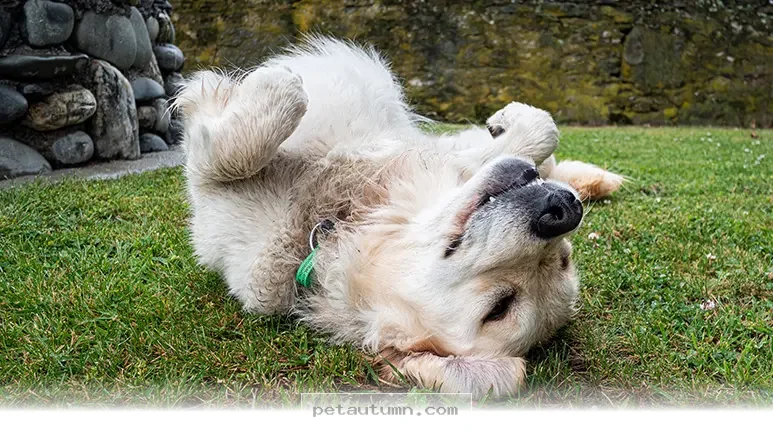
Does your dog ever flop onto their back the moment you walk through the door? It is an adorable greeting, but it often leaves you wondering what your pup is really trying to tell you.
Since our canine companions cannot use words, they rely heavily on body language to express their feelings. Understanding why they roll can help you better connect with your best friend.
Key Takeaways
- Rolling on the back can indicate total relaxation, intense itching, or a desire to communicate safety.
- Scent rolling in grass or "gross" items is often a natural, ancestral instinct to mask their own odor.
- Appeasement rolling is a nonverbal way to de-escalate tension or show that your dog means no harm.
- While usually harmless, monitor your dog for frantic behavior or physical signs of skin irritation.
- Always observe the context of the roll to distinguish between playfulness and genuine anxiety.
Why Dogs Roll on Their Backs
Dogs roll over for many different reasons depending on their current environment and mood. It is not always the same signal, so observing the situation is your best tool for understanding their intent.
1. They Feel Safe and Comfortable
Sometimes a dog rolls onto their back simply because they are feeling cozy and relaxed. Exposing their belly is a vulnerable position, so they only do this when they feel completely secure in their surroundings.
You will often see this behavior when your dog is lounging on your living room rug after a long walk. It is a sign that they trust you and are enjoying the comfort of their home.
2. They Are Practicing Appeasement
Not every belly-up moment is about happiness or relaxation. In some instances, rolling onto their backs is a way for dogs to ease tension when they feel pressured or unsure.
Experts often call this appeasement behavior, which is a nonverbal way your dog communicates that they do not want any conflict. If your dog does this during a visit to the veterinarian, they might be saying they are nervous.
3. They Are Dealing With Irritation
Sometimes, your dog rolls onto their back simply because they have an itch they cannot reach. Rolling allows them to rub their back against the ground to find some relief from persistent discomfort.
If you notice this happening frequently, keep an eye out for potential issues that might need a professional look. You should check for common signs of skin distress or external irritants.
- Frequent scratching or biting at the skin
- Redness or visible inflammation
- Unusual odor coming from the coat
- Hair loss or bald patches
- Presence of fleas or ticks
Understanding Scent Rolling
Many pet owners are puzzled when their dog decides to roll in something truly gross. This behavior is deeply rooted in ancestral instincts that once helped wild canines survive in the wilderness.
Why Dogs Love Smelly Things
While you might reach for a bottle of soap, your dog might be reaching for that patch of mud or something much worse. Many experts believe this is an attempt to mask their own scent to avoid detection.
By covering themselves in the smell of their environment, they might have been able to sneak up on prey in the wild. Even though your dog gets their meals from a bowl, that ancient instinct remains very much alive today.
A Comparison of Rolling Behaviors
| Behavior Type | Primary Goal | Body Language |
|---|---|---|
| Playful Roll | Fun and bonding | Wiggling, loose, relaxed |
| Appeasement Roll | De-escalation | Tense, stiff, tail tucked |
| Scent Rolling | Masking odor | Focused, intense sniffing |
| Itchy Roll | Relief | Frantic, repeated scratching |
How to Manage Your Dog’s Rolling Habits
While most rolling is harmless, you might want to prevent it if your dog constantly heads for mud or smelly debris. Training and management can help you keep your dog clean and smelling fresh.
- Master the "Leave It" command to stop them before they reach a smelly spot.
- Keep your dog on a leash when walking in areas known for wildlife or debris.
- Always carry a pack of pet-safe grooming wipes for quick cleanups on the go.
- Maintain a regular grooming schedule to check for skin issues or hidden burrs.
- Provide plenty of exercise to ensure they are not rolling out of pure boredom.
If you find that your dog is rolling because of skin sensitivity, you may need to adjust their care routine. Consistent brushing can help remove loose fur and dirt, which often reduces the urge to rub against the ground.
The information on petautumn.com is for general informational purposes only and does not constitute veterinary advice. Pet health needs vary by breed, age, and individual condition. Always consult a licensed veterinarian before making decisions about your pet’s health, diet, or medical treatment. Pet Autumn is not affiliated with any veterinary organization, pet food manufacturer, or breeder.
Understanding your dog’s body language is a wonderful way to strengthen your bond. By paying attention to when and why your dog rolls, you can better meet their needs and ensure they stay happy.
Most of the time, these rolls are just your dog being a dog. Enjoy those funny, quirky moments and keep exploring the world together with your best friend.

Dog care writer at petautumn.com. Visual Communication Design graduate (S.Ds) from Universitas Udayana. Covers dog breeds, behavior, training, and gear reviews. Dog dad to Meepo. Based in Austin, Texas.