Written by Kadek Darma
Have you ever wondered what really goes into your dog’s bowl? A few years ago, researchers decided to look closely at how different protein sources impact adult and senior dogs, specifically focusing on declining body composition.
What they discovered was quite surprising, but the way some industry players handled the data was even more shocking. It turns out that some companies would prefer we stop asking questions about the quality of meat in our pets’ diets.
Key Takeaways
- Dogs are biologically designed to thrive on high-quality animal protein rather than plant-based fillers.
- Not all protein is created equal; ingredients like feathers or hooves are often indigestible for your dog.
- The "hype" surrounding meat-first diets is actually backed by the ancestral needs of our canine companions.
- Animal-based proteins provide the essential amino acids that plants simply cannot replicate in the same way.
Understanding the Protein Controversy
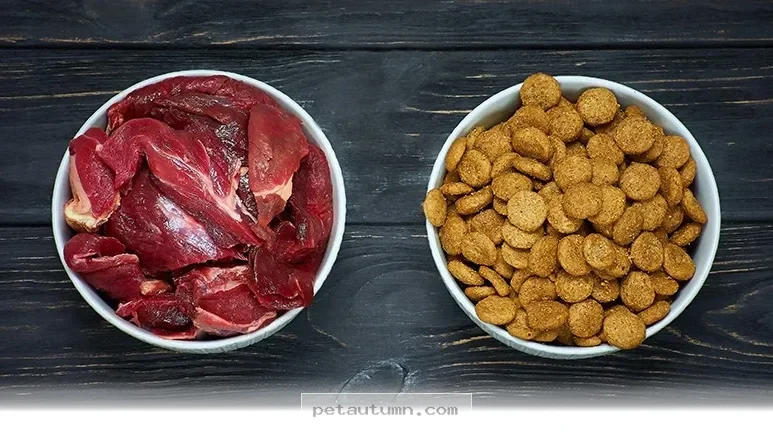
The processed pet food industry has occasionally suggested that the growing consumer interest in high-meat diets is merely "hype." They often argue that there is little scientific research to support the demand for fresh meat or ancestral-style feeding patterns.
However, many major producers rely heavily on rendering processes to source their ingredients. This often means your dog’s dinner might contain materials that are a far cry from the high-quality muscle meat you might expect.
1. The Reality of Rendered Ingredients
When you see "meat meal" on a label, it is helpful to understand what that actually means. Rendering is a process that can include meat slaughtering waste, fats, and occasionally other food scraps from restaurants or grocery stores.
While these ingredients are often considered "safe" by regulatory standards, they are not always the nutrient-dense options your dog needs. High-quality nutrition requires transparency about where the protein originated.
2. Why Dogs Need Real Animal Protein
Your dog is a scavenging carnivore by nature, sharing a digestive blueprint with ancestors who thrived on fresh prey. Their bodies are built to process animal tissues, which provide the specific building blocks for their heart, muscles, and skin.
When you choose a diet, consider these primary differences between protein types:
| Protein Type | Digestibility | Nutrient Profile | Quality Status |
|---|---|---|---|
| Whole Muscle Meat | High | Excellent | Optimal |
| Eggs | High | Complete | Excellent |
| Rendered Meal | Moderate | Variable | Caution |
| Plant-Based (Corn/Soy) | Low | Incomplete | Warning |
How Protein Shapes Your Dog’s Health
Protein is truly the foundation of your dog’s physical existence. It is not just about muscle mass; it is about the internal machinery that keeps your pet running smoothly every single day.
Every organ, including the heart, liver, and kidneys, relies on a steady supply of high-quality amino acids to function. Unlike fat, protein is not stored by the body in large quantities, so your dog needs a fresh, healthy supply in every meal.
1. Essential Functions of Protein
Proteins are involved in nearly every biological process, from oxygenating the blood to regulating hormones. When your dog consumes high-quality protein, their body uses it to:
- Build and repair muscle tissue.
- Maintain a healthy skin and coat.
- Support the production of vital enzymes.
- Transport cholesterol throughout the bloodstream.
2. Plant Versus Animal Sources
You might notice some brands using corn gluten or soy meal as a primary protein source. While these ingredients can boost the protein percentage on a label, they do not provide the same biological value as animal-based proteins.
If you are concerned about your dog’s health, checking the Association of American Feed Control Officials guidelines is a great place to start. You want to ensure the primary ingredients are recognizable, high-quality sources of nutrition rather than cheap fillers.
Making Informed Choices for Your Senior Dog
As our dogs age, their bodies become less efficient at processing low-quality proteins. This is exactly why the studies on declining body composition in senior dogs are so critical for pet owners to understand.
If your dog is losing muscle mass, it may be time to evaluate whether their current food provides enough bioavailable protein. Always look for whole-meat sources listed as the very first ingredient on the packaging.
The information on petautumn.com is for general informational purposes only and does not constitute veterinary advice. Pet health needs vary by breed, age, and individual condition. Always consult a licensed veterinarian before making decisions about your pet’s health, diet, or medical treatment. Pet Autumn is not affiliated with any veterinary organization, pet food manufacturer, or breeder.
Choosing the right food for your furry friend is one of the most significant decisions you will make as an owner. By prioritizing transparency and quality, you ensure that your dog receives the fuel they need for a long, happy life.
Take the time to read labels and ask questions about the manufacturing process. Your dog relies on you to be their advocate in a marketplace that often prioritizes convenience over their biological well-being.

Cat care writer at petautumn.com. English Literature graduate (S.S) from Universitas Udayana. Covers cat breeds, behavior, nutrition, grooming, and health. Cat mom to Luna and Lina. Based in Austin, Texas.