Written by Ayu Pratiwi
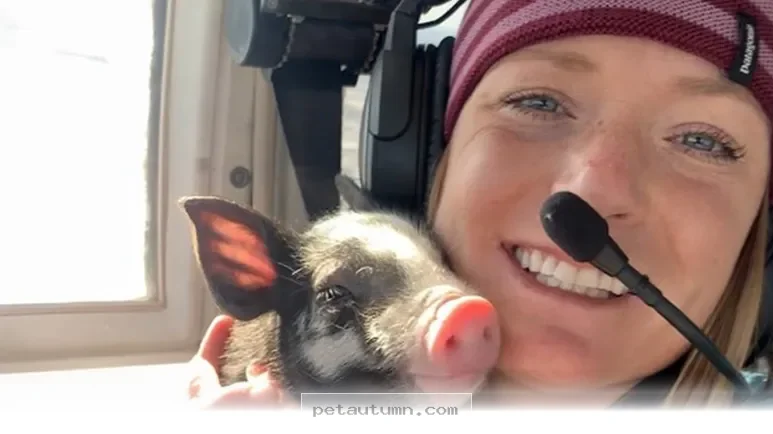
Imagine being a tiny, vulnerable piglet facing a world that sees you as nothing more than a commodity. That was the reality for one brave little pig who was nearly discarded before her life truly began.
Against all odds, a compassionate rescue team intervened just in time to change her path forever. Her story is a beautiful reminder that every living creature deserves a fighting chance at happiness and dignity.
- Early intervention can transform the quality of life for animals with congenital disabilities.
- Prosthetic technology offers life-changing mobility solutions for pets with limb differences.
- Consistency, patience, and a nurturing environment are essential for a rescue animal’s rehabilitation.
- Every animal, regardless of physical challenges, possesses a unique capacity for joy and companionship.
A Second Chance at Life
When rescuers first encountered this piglet, she was struggling with severe mobility issues that made walking impossible. Many would have assumed that a life on the ground was her only option, but her spirit told a different story.
She displayed a fierce determination to move and explore her surroundings despite her limitations. That spark of resilience was exactly what her new caregivers needed to see to start her journey toward mobility.
1. Recognizing the Need for Specialized Care
The first step in helping any animal with physical differences is observing how they interact with their environment. You must pay close attention to their comfort levels and natural behaviors.
- Observe movement: Does the animal drag its limbs or struggle to balance?
- Monitor pain: Watch for vocalizations or reluctance to stand or eat.
- Consult experts: Reach out to professionals experienced in animal rehabilitation for guidance.
Common Signs of Mobility Challenges
If you notice your pet struggling, it is essential to stay calm and observant. Here are a few signs that may indicate a need for a professional evaluation:
- Unusual gait or persistent limping
- Difficulty rising from a lying position
- Increased time spent lying down
- Reluctance to participate in previously enjoyed activities
2. Exploring Mobility Aids
Once a veterinarian confirms the diagnosis, you can explore various supportive options. Technology has advanced significantly, allowing us to provide custom tools that drastically improve a pet’s daily routine.
| Option | Best For | Consideration |
|---|---|---|
| Custom Prosthetics | Limb absence or deformities | Requires professional fitting |
| Support Harnesses | Temporary weakness | Lightweight and adjustable |
| Wheelchairs | Full hind-limb paralysis | Needs supervised practice |
3. Building a Supportive Environment
Rehabilitation is not just about equipment; it is about creating a space where your pet feels safe to learn. You should minimize slippery surfaces and clear pathways to prevent unnecessary falls.
- Use non-slip mats: Traction is vital for animals learning to navigate with new aids.
- Keep it consistent: Routine helps pets feel secure during the adjustment phase.
- Celebrate small wins: Every attempt to walk or play deserves positive reinforcement and patience.
4. The Power of Patience
Training a pet to use a prosthetic or a mobility device takes time and trial and error. You might find that the first device does not fit perfectly, or that your pet needs extra encouragement to accept the new accessory.
Avoid pushing them too hard, as this can lead to frustration for both of you. Instead, keep training sessions short, frequent, and rewarding to ensure they associate the process with positive feelings.
Essential Supplies for Special Needs Pets
If you are supporting an animal through mobility recovery, keep these items on hand:
- Soft, absorbent bedding for joint comfort
- Non-slip flooring or yoga mats
- High-value rewards for training
- Gentle grooming tools to keep skin under harnesses clean
Taking these steps ensures your companion feels supported throughout their transition.
The information on petautumn.com is for general informational purposes only and does not constitute veterinary advice. Pet health needs vary by breed, age, and individual condition. Always consult a licensed veterinarian before making decisions about your pet’s health, diet, or medical treatment. Pet Autumn is not affiliated with any veterinary organization, pet food manufacturer, or breeder.
Watching this little pig transform from a fragile piglet into a confident, mud-loving adventurer is a testament to the power of compassion. She proves that when we provide the right tools and an abundance of love, we can help our animal friends overcome almost any hurdle.
If you are considering helping an animal in need, remember that your commitment to their well-being is the greatest gift you can provide. Whether it is through rescue, fostering, or providing specialized care, your efforts truly make a world of difference.
Cat care writer at petautumn.com. English Literature graduate (S.S) from Universitas Udayana. Covers cat breeds, behavior, nutrition, grooming, and health. Cat mom to Luna and Lina. Based in Austin, Texas.