Written by Kadek Darma
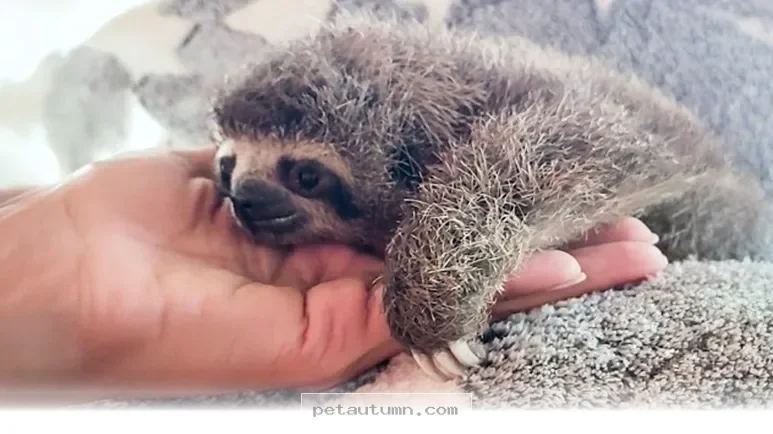
The journey of an orphaned newborn sloth is nothing short of a miracle. After losing her mother in a tragic dog attack, this tiny creature faced an uncertain future in the wild forests of Venezuela.
Against all odds, a dedicated rescue team stepped in to provide the round-the-clock care she desperately needed to survive. Watching her transform from a fragile infant into a growing, active sloth has captured the hearts of animal lovers everywhere.
Key Takeaways
- Early intervention by professionals is critical for the survival of orphaned wildlife.
- Sloths require specialized, species-specific care that cannot be replicated in a standard home environment.
- The primary goal of any wildlife rescue is to eventually facilitate a safe return to the natural habitat.
- Supporting local conservation groups helps protect the ecosystems these animals call home.
The Reality of Wildlife Rescue
When a wild animal is found alone, the situation is almost always an emergency that requires expert handling. Professional rescue teams have the equipment and knowledge to stabilize these animals without causing undue stress or habituation.
Rescuing an animal like a sloth is a massive commitment involving months of observation and physical rehabilitation. You should never attempt to handle or raise wild animals yourself, as they require specialized diets and environments to thrive.
1. Understanding Sloth Behavior
Sloths are fascinating, slow-moving creatures that spend most of their lives hanging in the canopy. Because their metabolism is unique, they are incredibly sensitive to temperature changes and dietary shifts.
| Feature | Domestic Pet | Wild Sloth |
|---|---|---|
| Dietary Needs | Consistent commercial food | Specialized foliage |
| Environment | Controlled home settings | High-humidity canopy |
| Social Needs | High interaction | Solitary/Limited interaction |
| Handling | Generally welcome | High stress/Risk of injury |
(Table: Comparison of domestic pets versus wild species requirements)
2. Identifying Signs of Distress
If you encounter a wild animal that appears to be in danger, it is vital to know the warning signs. Keep your distance and contact a local wildlife agency immediately if you observe these behaviors.
- Inability to move or stand on its own.
- Visible wounds, bleeding, or matted fur.
- Constant vocalizing or distress calls from a young animal.
- Being found on the ground during daylight hours for nocturnal species.
- Presence of parasites or heavy fly activity around the animal.
3. How You Can Help
While you cannot personally raise a sloth, you can contribute to the success of rescue operations through responsible advocacy. Protecting native forests and supporting ASPCA or similar global wildlife organizations ensures that rescue teams have the resources they need.
Always keep your own pets on a leash or supervised when traveling near wilderness areas. Preventing accidental encounters is the most effective way to keep both your furry friends and wild neighbors safe.
The information on petautumn.com is for general informational purposes only and does not constitute veterinary advice. Pet health needs vary by breed, age, and individual condition. Always consult a licensed veterinarian before making decisions about your pet’s health, diet, or medical treatment. Pet Autumn is not affiliated with any veterinary organization, pet food manufacturer, or breeder.
Watching this little sloth grow is a gentle reminder of our shared responsibility to the natural world. Every small act of kindness or support for wildlife rehabilitation efforts creates a ripple effect for conservation.
We hope her story inspires you to learn more about the unique species living in your own region. By staying informed and respecting the boundaries of nature, we ensure that creatures like her have a fighting chance to return to the trees where they belong.
Cat care writer at petautumn.com. English Literature graduate (S.S) from Universitas Udayana. Covers cat breeds, behavior, nutrition, grooming, and health. Cat mom to Luna and Lina. Based in Austin, Texas.