Written by Ayu Pratiwi
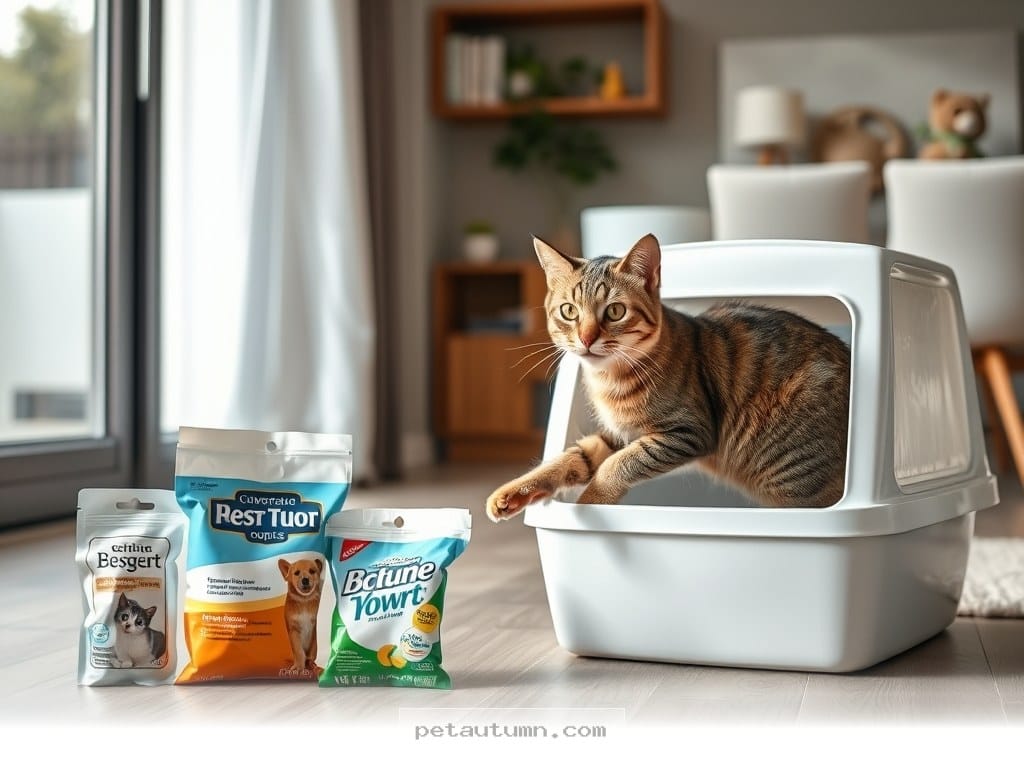
Picking out the perfect litter box is one of the most significant decisions you will make as a cat parent. It directly impacts your home hygiene and your feline friend’s daily comfort.
A box that feels cramped or difficult to access can lead to stress or even behavioral issues. You want to create a bathroom environment where your cat feels completely secure and relaxed.
Key Takeaways
- The ideal litter box should be at least 1.5 times the length of your cat.
- Open boxes are often preferred by cats because they provide better visibility and ventilation.
- Litter box location is just as important as the type of box you choose.
- Multi-cat households require one box per cat, plus one extra for convenience.
- Consistent scooping is the most effective way to prevent litter box avoidance.
Understanding Your Cat’s Preferences
Cats are naturally fastidious creatures who value privacy and cleanliness above all else. When they feel vulnerable, they are much less likely to use their designated bathroom spot.
Most cats instinctively prefer open spaces where they can easily spot potential threats. While covered boxes help contain odors and mess for you, they can trap smells and make your cat feel trapped.
1. Identifying Signs of Litter Box Stress
If your cat is unhappy with their setup, they might start showing subtle behavior changes. Keep a close watch for these common indicators:
- Perching on the edge of the box instead of stepping inside.
- Scratching at the walls or floor outside the box.
- Rushing out of the box immediately after finishing.
- Frequent accidents located near the litter box area.
- Vocalizing or acting agitated before or after using the toilet.
2. Choosing the Right Litter Box Style
There are many designs on the market, but not all of them suit every cat. Use this comparison table to evaluate which style fits your specific needs.
| Box Type | Pros | Cons |
|---|---|---|
| Open Pan | Easy access, great airflow | Litter tracking is common |
| High-Sided | Reduces litter scatter | Harder for senior cats to enter |
| Covered/Hooded | Keeps messes contained | Can trap ammonia odors |
| Top-Entry | Excellent for dogs in the house | Difficult for arthritic cats |
Selecting a box that matches your cat’s age and physical ability makes a world of difference.
Creating a Stress-Free Bathroom Environment
Once you have selected the right style, you need to think about where to place it. Cats prefer quiet, low-traffic areas that are away from their food and water bowls.
Avoid placing boxes in laundry rooms near loud appliances or in dark, isolated corners. You want your cat to feel safe, yet still have an easy escape route if needed.
Essential Supplies for Success
Setting up a station that works for both you and your pet requires a few basic tools. Having these items on hand makes daily maintenance much simpler:
- A high-quality metal or plastic scoop.
- A handheld vacuum or small broom for tracking.
- A litter mat to catch debris from paws.
- A dedicated trash can with a lid for waste disposal.
- Mild, unscented soap for regular box deep-cleaning sessions.
Steps to Maintain a Clean Box
- Scoop the waste at least once, preferably twice, every single day.
- Completely replace the litter and scrub the box monthly.
- Check the plastic for deep scratches where bacteria might hide.
- Replace the box entirely if it becomes impossible to clean thoroughly.
- Monitor your cat’s bathroom habits to ensure everything remains consistent.
You can learn more about feline health and behavioral standards through resources provided by the ASPCA. Keeping a clean environment is the best way to prevent issues before they begin.
Why Size Truly Matters
You might think a small box saves space, but your cat will likely disagree. A box that is too small prevents your cat from turning around comfortably or burying their waste properly.
Many owners find that large plastic storage bins make excellent, cost-effective litter boxes. Simply cut an opening in one side, sand the edges, and you have a spacious, private sanctuary.
Assessing Your Cat’s Needs
- Kittens: Need low sides for easy climbing.
- Seniors: Require low-entry boxes due to joint pain.
- Large Breeds: Need extra-long and wide containers.
- Nervous Cats: Benefit from boxes placed in quiet, private spots.
- Multi-cat homes: Need at least one box per cat.
If your cat seems to be struggling with their box, consider observing them for a few days. Sometimes the issue is as simple as the type of litter used or the location of the box itself.
Consulting with experts like those at Cornell Vet can provide additional insight into feline behavior. Understanding these small details will help you keep your feline friend happy and healthy for years to come.
The information on petautumn.com is for general informational purposes only and does not constitute veterinary advice. Pet health needs vary by breed, age, and individual condition. Always consult a licensed veterinarian before making decisions about your pet’s health, diet, or medical treatment. Pet Autumn is not affiliated with any veterinary organization, pet food manufacturer, or breeder.
Taking the time to choose the right box is a wonderful way to show your cat how much you care. By observing their habits and keeping their space tidy, you ensure a peaceful home.
Remember that a clean box is the key to a happy cat. Your small efforts every day will pay off in a healthy and stress-free pet.

Dog care writer at petautumn.com. Visual Communication Design graduate (S.Ds) from Universitas Udayana. Covers dog breeds, behavior, training, and gear reviews. Dog dad to Meepo. Based in Austin, Texas.