Written by Ayu Pratiwi
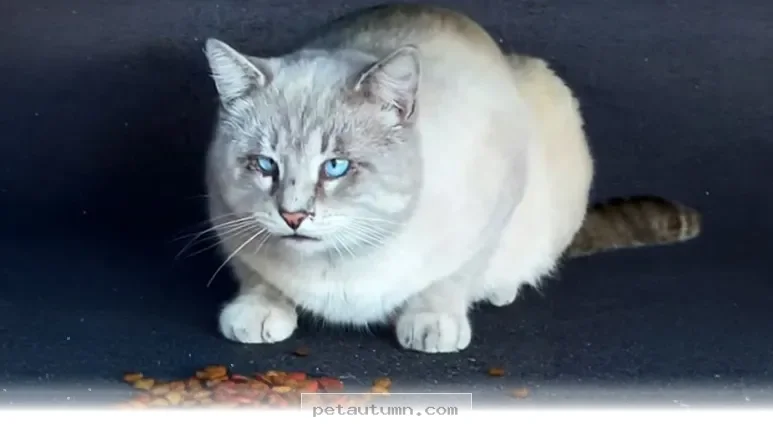
Have you ever met a cat who seemed to have the weight of the world on his shoulders? Joe was a stray who spent years navigating the harsh realities of the streets, constantly finding himself in scuffles while simply trying to find a companion.
When he was finally rescued, his spirit was bruised, but a flicker of hope remained behind his eyes. It took months of gentle patience and quiet observation for him to realize that he was finally safe.
Key Takeaways
- Rescued strays often require a significant adjustment period to feel secure in a home.
- Socializing a formerly aggressive or fearful cat takes time, consistency, and a calm environment.
- Understanding feline body language is vital when introducing a new cat to existing pets.
- Providing a "safe zone" helps nervous cats decompress during the transition to indoor life.
The Journey from Stray to House Cat
Transforming a street-hardened cat into a beloved indoor companion is a labor of love that rewards you with deep, quiet trust. You might notice that your new friend is initially jumpy or wary of sudden movements.
This is a natural survival instinct that served him well in the past. Your primary goal is to show him that the environment is predictable and entirely under his control.
1. Creating a Safe Haven
Start by setting up a small, quiet room for your new arrival where he can hide if he feels overwhelmed. Use pheromone diffusers or soft bedding to make the space feel inviting and familiar.
2. The Power of Patience
Never force your cat to interact or come out of his hiding spot. Let him initiate contact on his own terms by sitting quietly in the room while reading or working.
3. Reading the Signals
Recognizing the signs of stress or comfort is essential for building a lasting bond. Pay close attention to how your cat reacts to your presence throughout the day.
| Signal | Meaning | Action to Take |
|---|---|---|
| Slow blinking | Contentment and trust | Return the slow blink gently |
| Hissing or growling | Fear or feeling trapped | Give more space immediately |
| Tail held high | Confidence and friendliness | Offer a gentle greeting |
| Dilated pupils | Anxiety or extreme excitement | Avoid sudden movements |
Tips for Successful Introductions
Transitioning a formerly reactive cat to a multi-pet household requires a structured approach to prevent territorial behavior. You want to ensure that every interaction remains positive to avoid regression in your cat’s behavior.
Following established ASPCA guidelines for feline introductions can help you manage the process smoothly. Consistency is the secret ingredient to helping your cat feel like a true family member.
Sequential Steps for Harmony
- Keep the new cat separated from other pets for at least one to two weeks.
- Exchange scents by swapping blankets or beds between your pets to get them accustomed.
- Allow visual contact through a baby gate or a crack in the door during supervised sessions.
- Reward calm behavior with high-value treats to create positive associations with the other pet.
If you notice signs of aggression, return to the previous step for a few more days. Building trust is not a race, and your patience will pay off in soft snuggles later.
The information on petautumn.com is for general informational purposes only and does not constitute veterinary advice. Pet health needs vary by breed, age, and individual condition. Always consult a licensed veterinarian before making decisions about your pet’s health, diet, or medical treatment. Pet Autumn is not affiliated with any veterinary organization, pet food manufacturer, or breeder.
Watching a cat like Joe finally settle into a sunbeam is a deeply rewarding experience that makes all the effort worth it. You are not just giving him a roof over his head, but a new life filled with security.
Remember that every small victory, like a soft purr or a gentle headbutt, is a milestone. Your home is now his sanctuary, and the bond you build together will last a lifetime.

Dog care writer at petautumn.com. Visual Communication Design graduate (S.Ds) from Universitas Udayana. Covers dog breeds, behavior, training, and gear reviews. Dog dad to Meepo. Based in Austin, Texas.