Written by Ayu Pratiwi
Finding a stray cat shivering in the cold is a heart-wrenching experience for any animal lover. You see that lonely figure huddled against the elements, and your immediate instinct is to provide comfort and safety.
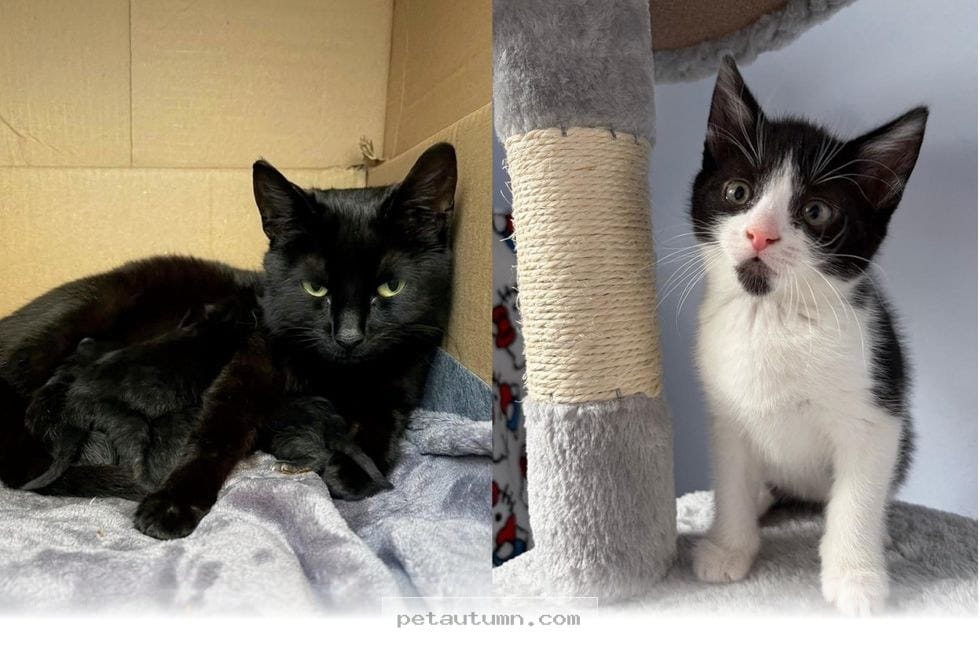
This was exactly the case for one lucky black cat who found herself in the right hands just in time. After being rescued from a harsh outdoor environment, she surprised her rescuers by expanding her family in the most beautiful way imaginable.
Key Takeaways
- Rescuing a stray cat provides immediate life-saving support for both the mother and potential kittens.
- Preparation is vital when you suspect a stray cat might be pregnant.
- A quiet, warm space helps a nursing mother cat feel secure enough to care for her litter.
- Early veterinary checkups are necessary to ensure the health of the mother and her newborns.
Recognizing the Signs of a Pregnant Stray
You might wonder how to tell if a stray cat is expecting before she gives birth. Sometimes, a cat’s physical appearance and behavior offer subtle clues about her condition.
When you bring a stray into your home, watch for these common physical and behavioral changes:
- Physical Changes: Look for weight gain centered in the abdomen, swollen or pink nipples, and an overall rounded belly.
- Behavioral Shifts: Expect a sudden change in her personality, such as increased affection or a desire to hide in quiet, dark corners.
- Nesting Instincts: She may begin gathering soft materials like blankets or towels to create a cozy bed.
- Appetite Increase: A pregnant cat often eats significantly more than usual as she needs extra energy for her kittens.
As you monitor her health, keeping her in a calm environment is the best gift you can offer.
Preparing Your Home for a Nursing Cat
Bringing a pregnant cat indoors requires a bit of planning to ensure she feels safe. You want to create a space where she can rest without being disturbed by loud noises or household traffic.
Setting up a "birthing suite" is a great way to prepare for the big arrival. Follow these simple steps to get your space ready:
- Choose a quiet room: Select a spare bedroom or a laundry area that stays warm and draft-free.
- Provide a nesting box: Use a large cardboard box lined with soft, washable blankets that she can easily enter and exit.
- Keep resources close: Place food, water, and a litter box nearby so she does not have to travel far from her kittens.
- Limit visitors: Keep the environment peaceful and quiet, especially during the first few weeks after birth.
Comparison of Care Needs: Stray vs. Pet Cats
| Factor | Stray Cat | Indoor Pet Cat |
|---|---|---|
| Nutritional Needs | High-calorie, nutrient-dense food | Balanced, vet-approved diet |
| Medical History | Unknown (requires full screening) | Known (records usually available) |
| Stress Levels | Generally high (needs acclimation) | Generally low (established comfort) |
| Socialization | Varies (often shy or fearful) | Usually comfortable with humans |
The process of gaining a cat’s trust takes patience, but it is incredibly rewarding.
What to Do When Kittens Arrive
When the big day finally arrives, your primary role is to be a calm observer. Most mother cats are naturally instinctual and know exactly what to do when their babies are born.
If you find yourself in this situation, follow these essential tips to support the process:
- Give her privacy: Stay close enough to monitor, but keep a respectful distance so she does not feel pressured.
- Monitor the litter: Ensure all kittens are nursing and that the mother is cleaning them properly.
- Keep the area clean: Replace soiled blankets gently to maintain a hygienic environment for the newborns.
- Watch for distress: If the mother seems lethargic or refuses to nurse, reach out to your local ASPCA or a trusted vet clinic immediately.
Remember that providing a soft landing for a mother cat is an act of profound kindness.
Essential Supplies for a New Mother
Having the right supplies on hand makes the transition much smoother for everyone involved. You do not need to overspend, but having these basics will help you feel more organized and prepared.
- High-quality kitten food: This is vital for the mother to regain her strength and produce enough milk.
- Low-sided litter box: This allows the kittens to easily climb in as they start to explore.
- Clean towels and blankets: Keep several sets on hand for easy rotation and cleanup.
- Digital scale: Weighing the kittens daily helps you track their growth and identify any feeding issues early.
- Sturdy carrier: Keep this nearby in case an emergency trip to the veterinarian is required.
Consulting with experts like those at Cornell Feline Health Center can provide deeper insight into kitten development. Always keep the contact information for an emergency animal hospital saved in your phone.
The information on petautumn.com is for general informational purposes only and does not constitute veterinary advice. Pet health needs vary by breed, age, and individual condition. Always consult a licensed veterinarian before making decisions about your pet’s health, diet, or medical treatment. Pet Autumn is not affiliated with any veterinary organization, pet food manufacturer, or breeder.
Watching a rescued stray blossom into a confident mother is a truly life-changing experience. You are providing a second chance for a cat who might have otherwise faced a very different future.
By offering her a safe, warm, and loving home, you are helping her raise her kittens in comfort. Enjoy every moment of this journey, as these little ones grow up under your watchful and caring eyes.

Cat care writer at petautumn.com. English Literature graduate (S.S) from Universitas Udayana. Covers cat breeds, behavior, nutrition, grooming, and health. Cat mom to Luna and Lina. Based in Austin, Texas.