Written by Kadek Darma
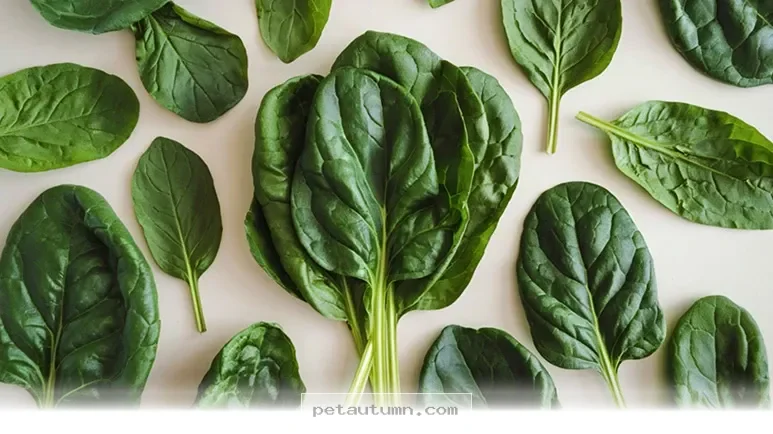
Spinach is often hailed as a nutritional powerhouse in our own kitchens, but did you know this vibrant green can also find a place in your pet’s bowl? When integrated correctly, this leafy vegetable offers a wealth of antioxidants and vitamins that support your dog’s overall vitality.
However, as a pet parent, you should understand that this "superfood" requires a bit of careful handling. While it is generally safe, there are specific nutritional nuances you need to recognize before making it a regular addition to your pet’s diet.
Key Takeaways
- Spinach is rich in essential antioxidants like beta-carotene, quercetin, and luteolin.
- It contains B vitamins that support energy metabolism, immune response, and enzyme function.
- Always serve spinach plain, without any added oils, salts, spices, or seasonings.
- Limit intake to a small treat or supplement, ensuring it stays well within your pet’s daily caloric limit.
- Consult your vet if your pet has a history of calcium oxalate bladder stones.
Understanding the Nutritional Value of Spinach
Spinach is packed with phytonutrients that help your dog combat the effects of oxidative stress. These natural compounds are essential for neutralizing free radicals, which are often the byproduct of daily cellular metabolism and environmental factors.
By providing these antioxidants through whole foods, you can help support your pet’s long-term health. The presence of alpha-lipoic acid is particularly interesting, as some research suggests it may play a role in supporting cognitive function in aging dogs.
The Role of Vitamins and Fiber
Beyond antioxidants, spinach serves as a fantastic source of various vitamins that keep your pet’s body functioning smoothly. It is rich in vitamin C for tissue repair and vitamin K, which is vital for healthy blood clotting.
The vegetable also contributes a meaningful amount of B vitamins and vitamin E to your pet’s intake. These nutrients work together to support everything from healthy skin and coat to a robust immune system.
Essential Nutrients Found in Spinach
- Vitamin A (via beta-carotene): Supports vision and immune system development.
- Vitamin C: Acts as an antioxidant and assists in collagen synthesis.
- Vitamin K: Plays a crucial role in proper blood clotting.
- B Vitamins (Folate, B6, Thiamin): Critical for energy metabolism and nervous system health.
- Dietary Fiber: Promotes regular bowel movements and supports a healthy gut microbiome.
How to Safely Serve Spinach to Your Pet
When introducing new foods, always start with small portions to ensure your pet’s digestive system tolerates them well. Since fiber needs in pets are relatively low, spinach should be viewed as a supplementary treat rather than a primary meal component.
Follow these simple steps to keep your pet safe and healthy:
- Wash thoroughly: Always rinse fresh leaves well to remove any potential pesticide residue or dirt.
- Steam lightly: Cooking spinach can actually increase the bioavailability of certain nutrients and make the leaves easier for your dog to digest.
- Keep it plain: Never add butter, garlic, onions, or salt, as these are toxic or harmful to pets.
- Chop finely: Small, manageable pieces help prevent choking and ensure better digestion.
- Monitor frequency: Use it as an occasional topper rather than a daily staple.
Important Considerations for Pet Owners
While spinach is nutrient-dense, it also contains oxalates. In certain pets, these compounds can bind with calcium and contribute to the formation of calcium oxalate bladder stones.
If your dog has a known genetic predisposition or a history of urinary issues, you must prioritize a conversation with your veterinarian. They can help you determine if spinach is appropriate for your specific pet’s needs.
Quick Comparison: Raw vs. Steamed Spinach
| Feature | Raw Spinach | Steamed Spinach |
|---|---|---|
| Digestibility | Lower | Higher |
| Nutrient Absorption | Moderate | Optimal |
| Oxalate Content | Higher | Reduced |
For further reading on balanced nutrition, you can explore resources from the American Kennel Club regarding safe vegetable choices. Always aim for organic produce whenever possible to minimize exposure to synthetic chemicals that could affect your pet.
The information on petautumn.com is for general informational purposes only and does not constitute veterinary advice. Pet health needs vary by breed, age, and individual condition. Always consult a licensed veterinarian before making decisions about your pet’s health, diet, or medical treatment. Pet Autumn is not affiliated with any veterinary organization, pet food manufacturer, or breeder.
Incorporating small amounts of spinach can be a wonderful way to boost your pet’s vitamin intake if done thoughtfully. By keeping portions small and preparing the leaves properly, you can safely share the benefits of this leafy green with your furry companion.
Remember that every pet is an individual with unique health requirements. Keeping an open line of communication with your veterinarian ensures that any dietary changes support your pet’s long-term wellness and happiness.

Dog care writer at petautumn.com. Visual Communication Design graduate (S.Ds) from Universitas Udayana. Covers dog breeds, behavior, training, and gear reviews. Dog dad to Meepo. Based in Austin, Texas.