Written by Kadek Darma
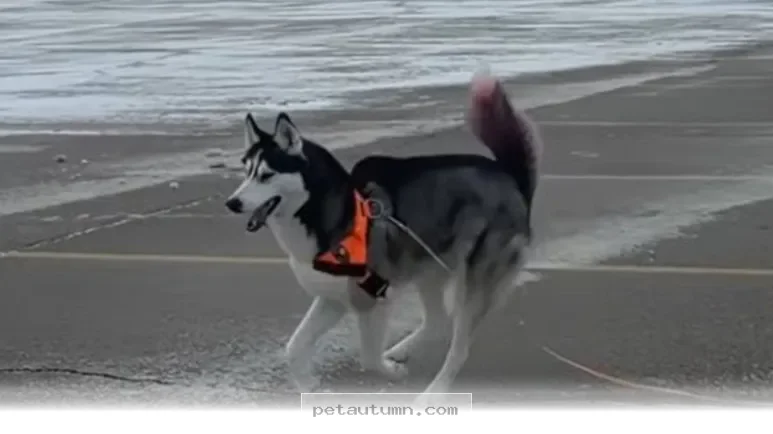
Imagine a dog running across a field with the wind in her fur and pure joy in her heart. Now, imagine doing that without the ability to see a single blade of grass or the horizon ahead.
Dani is a remarkable dog who was born without eyes and faced the threat of euthanasia simply because of her condition. Her story is a powerful reminder that our furry companions possess an incredible capacity for resilience and happiness that goes far beyond their physical senses.
Key Takeaways
- Blindness does not diminish a dog’s zest for life or their ability to navigate the world.
- Consistency in your home environment helps your dog build a reliable mental map.
- Positive reinforcement is essential for building confidence in sightless pets.
- Sensory enrichment, like scent games and textured paths, keeps their minds sharp.
- Trust and clear communication are the foundations of a beautiful bond with a special-needs pet.
Understanding Life Without Sight
When a dog loses their vision or is born blind, they naturally lean into their other superpowers. Dogs experience the world primarily through their noses and ears, which remain sharp and highly effective regardless of their eyesight.
You might notice your dog becomes more sensitive to vibrations, changes in air currents, or the specific sounds of your footsteps. By honoring these strengths, you can help them feel secure and confident in every room of your house.
1. Creating a Predictable Environment
Consistency is the absolute best gift you can offer a blind dog. Try to keep your furniture in the same place and avoid leaving random obstacles like shoes or boxes on the floor.
If you must move a piece of furniture, do it gradually so your dog can adjust their mental map. Many owners find that using distinct rugs to mark doorways or different zones in the house helps their pets identify where they are.
2. Training for Confidence and Safety
Training a blind dog is much like training any other dog, but it relies heavily on verbal cues and tactile signals. Teaching your pet specific commands can prevent them from walking into hazards.
- "Stop": Use this for sudden changes in terrain or potential obstacles.
- "Step up": A helpful warning for curbs or stairs.
- "Watch out": An alert for narrow passages or low-hanging objects.
| Training Method | Why It Works | When to Use |
|---|---|---|
| Verbal Cues | Builds clear communication | Daily walks and play |
| Scent Markers | Helps define boundaries | Setting up new areas |
| Clicker Training | Precise timing for rewards | Learning new commands |
| Bell Collars | Track your pet easily | When you are nearby |
3. The Importance of Sensory Enrichment
Just because your dog cannot see a ball doesn’t mean they cannot play a high-stakes game of fetch. Focus on toys that make noise or emit a scent to keep their interest piqued during playtime.
Engaging their brain is just as important as physical exercise. Try hiding treats around the yard or using puzzle feeders to turn every meal into a fun, rewarding scavenger hunt.
4. Tips for Navigating the Outdoors
Taking your blind dog for a walk is a wonderful bonding experience that keeps them healthy and happy. Use a harness rather than a collar to give you better control and protect their neck if they accidentally bump into something.
- Keep the leash shorter than usual to provide gentle, immediate feedback.
- Walk the same routes frequently so your dog becomes familiar with the path.
- Use your voice to guide them away from traffic or uneven surfaces.
5. Building Trust Through Routine
Your dog relies on you as their eyes and their navigator. Establish a solid routine for feedings, walks, and rest times so your pet knows exactly what to expect from their day.
When you approach your blind dog, always speak softly before touching them to avoid startling them. This small act of consideration goes a long way in reinforcing the trust they place in you every single day.
The information on petautumn.com is for general informational purposes only and does not constitute veterinary advice. Pet health needs vary by breed, age, and individual condition. Always consult a licensed veterinarian before making decisions about your pet’s health, diet, or medical treatment. Pet Autumn is not affiliated with any veterinary organization, pet food manufacturer, or breeder.
Caring for a blind dog is a rewarding journey that teaches you to slow down and appreciate the world through a different lens. You will quickly find that your dog is capable of so much more than you ever imagined.
As you spend time together, you will realize that their spirit is just as vibrant as any other pup. Cherish those moments of play and exploration, knowing that you are providing a life filled with love, security, and plenty of adventure.

Dog care writer at petautumn.com. Visual Communication Design graduate (S.Ds) from Universitas Udayana. Covers dog breeds, behavior, training, and gear reviews. Dog dad to Meepo. Based in Austin, Texas.