Written by Ayu Pratiwi
Finding a stray cat in a dark basement is a startling experience that often leaves you wondering how to help. You might be worried about her safety or how she ended up in such a lonely, cold place all by herself.
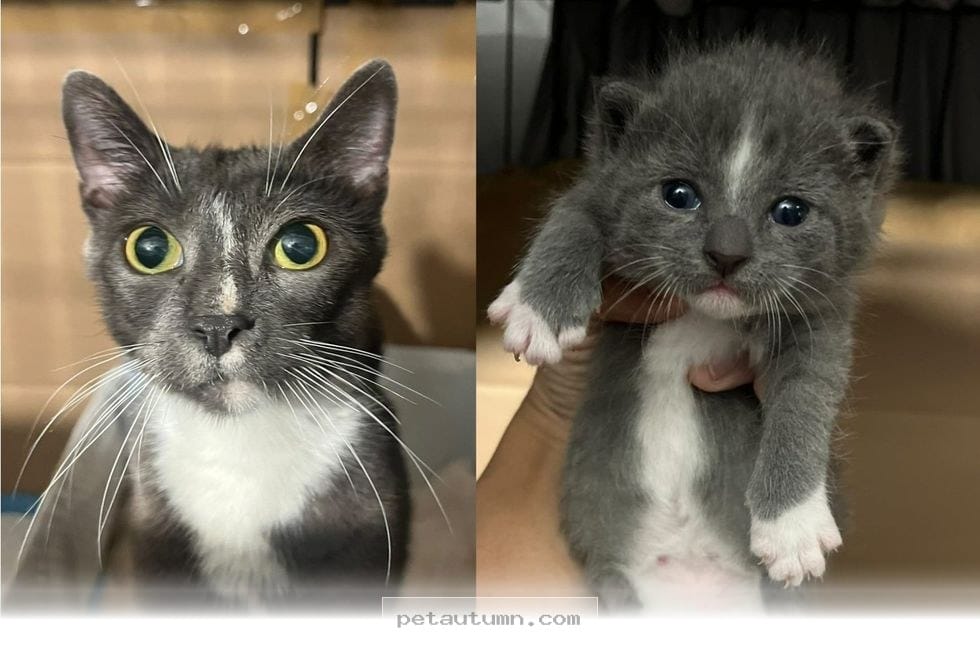
When you realize she is a nursing mother, your heart likely breaks for her and her tiny, vulnerable kittens. This story of a gray mama cat finding sanctuary in human arms is a beautiful reminder of the kindness we can offer our feline friends.
Key Takeaways
- Rescuing a nursing cat requires patience, quiet surroundings, and a soft touch.
- Providing a safe, warm space is the most critical first step for a new mother.
- Always seek professional guidance from organizations like the ASPCA for neonate care.
- Mama cats often choose humans they feel they can trust to protect their brood.
- Consistency in food and environment helps reduce stress for a rescued feline family.
Understanding the Needs of a Rescued Mama Cat
You are essentially stepping into the role of a guardian when you rescue a mother cat. She is likely exhausted, hungry, and deeply protective of her kittens, which makes her behavior unpredictable.
Moving from a dark basement to a cozy home is a massive change for a cat. She needs time to decompress, realize she is safe, and understand that you are there to provide support rather than pose a threat.
Common Behaviors of Rescued Nursing Cats
- Increased vocalization as she communicates with her kittens.
- Guarding behavior or hiding in enclosed, dark spaces.
- Frequent grooming of her litter to keep them clean and warm.
- Selective trust toward humans who respect her personal space.
- Heightened appetite to support the energy demands of nursing.
The transition from a basement to a living room is a major shift that requires careful management of the cat’s new environment.
Creating a Safe Haven for the Family
Your first priority is setting up a sanctuary room where the cat feels secure. Avoid high-traffic areas of your home where loud noises or other pets might startle her.
1. Essential Supplies for Nursing Cats
- High-calorie, high-quality kitten food to keep her energy up.
- Clean, soft blankets that can be easily laundered.
- A shallow, low-sided litter box for easy access.
- A sturdy, covered nesting box to provide a sense of security.
- Fresh water placed away from her food and litter.
2. Monitoring the Mother and Kittens
You should observe the family from a distance to ensure everyone is thriving. If you notice signs of illness, it is vital to contact a veterinarian immediately for a professional evaluation.
| Observation Item | Status | Action Needed |
|---|---|---|
| Kitten Weight | Steady gain | None |
| Mama Cat Appetite | Reduced | Monitor closely |
| Kitten Activity | Lethargic | Seek Veterinary Care |
3. Helping the Mother Adjust
Speak in a soft, low voice whenever you enter the room to feed her. Avoid sudden movements that might cause her to feel defensive or scared for her kittens.
Establishing a routine helps the cat predict your movements, which significantly lowers her anxiety levels.
Building Trust with Your New Guest
Patience is your best tool when trying to earn the affection of a feral or stray mother cat. She has been through a traumatic experience, and she will let you know when she is ready for interaction.
Tips for Gentle Socialization
- Sit on the floor nearby without trying to touch her.
- Offer high-value treats to create a positive association with your presence.
- Let her approach your hand first rather than reaching out to her.
- Keep the room dim to mimic the safety of her previous environment.
- Avoid forcing eye contact, as this can be perceived as a challenge.
Once she begins to relax, you might find that she seeks you out for comfort. This moment of connection is incredibly rewarding and signals that she truly feels safe in your care.
The information on petautumn.com is for general informational purposes only and does not constitute veterinary advice. Pet health needs vary by breed, age, and individual condition. Always consult a licensed veterinarian before making decisions about your pet’s health, diet, or medical treatment. Pet Autumn is not affiliated with any veterinary organization, pet food manufacturer, or breeder.
Watching a mama cat transform from a frightened basement dweller into a confident, happy mother is a life-changing experience. You provided her with the one thing she needed most, which was a chance at a better life.
As her kittens grow and begin to explore, remember that your role is to provide a gentle, stable foundation for their development. Enjoy every moment of watching this little family flourish under your loving watch.

Cat care writer at petautumn.com. English Literature graduate (S.S) from Universitas Udayana. Covers cat breeds, behavior, nutrition, grooming, and health. Cat mom to Luna and Lina. Based in Austin, Texas.