Written by Kadek Darma
Have you ever looked at your dog’s bowl and wondered if a splash of color could provide a nutritional boost? Many pet parents are searching for natural, wholesome ways to support their canine companion’s long-term vitality through simple, garden-fresh ingredients.
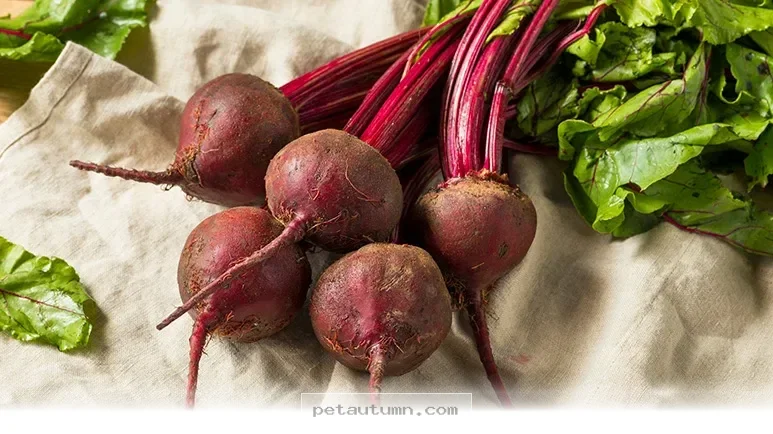
Beets are an often-overlooked root vegetable that packs a significant punch when it comes to plant-based nutrients. While you might be familiar with them in your own salads, these vibrant veggies offer unique benefits that can complement your dog’s well-balanced diet.
Key Takeaways
- Beets are rich in betanins, which provide powerful antioxidant defense and support healthy gene regulation.
- These vegetables contain carotenoids and phenolic compounds that help manage inflammation and promote gut health.
- The dietary nitrates found in beets convert to nitric oxide, which is essential for healthy blood flow and cardiovascular function.
- Always introduce new foods gradually and ensure that treats and toppers account for no more than 10% of your dog’s daily calories.
- When buying, look for beets with firm skin and bright, healthy leaves to ensure the highest nutrient content.
The Power of Pigments
Beets are famous for their deep, earthy red hue, but did you know they come in a rainbow of varieties? Beyond the classic red, you can find golden beets with a mellower flavor and the striking Chioggia variety, which features beautiful red and cream-colored rings.
These colors aren’t just for show. The pigments, known as betalains, are divided into red-violet betacyanins and yellow-orange betaxanthins. These nitrogen-containing compounds serve as powerful antioxidants that help your dog’s body manage oxidative stress naturally.
Understanding Nutritional Benefits
Science suggests that the betanins found in beets may support the body’s natural defense against DNA damage. By promoting healthy glutathione levels, these pigments help your pet’s system neutralize free radicals effectively.
Beyond pigments, beets are loaded with carotenoids like lutein and beta-carotene. These compounds are well-recognized for their ability to support immune health, which is a wonderful bonus for any dog.
| Nutrient Type | Potential Benefit | Source |
|---|---|---|
| Betalains | Antioxidant defense | Red/Yellow Beets |
| Lutein | Immune response support | Carotenoids |
| Nitrates | Cardiovascular health | Naturally in root |
| Fiber | Gastrointestinal health | Whole vegetable |
How Nitric Oxide Supports Your Dog
One of the most fascinating aspects of beets is their high concentration of dietary nitrates. Once consumed, the body converts these nitrates into nitric oxide, which acts as a vital signaling molecule.
Proper nitric oxide levels are essential for maintaining healthy blood pressure and supporting blood supply to the brain. Because this molecule aids in vascular function, it plays a key role in supporting your pet’s heart health as they age.
Incorporating Beets Into Your Dog’s Diet
If you want to share this root vegetable with your pup, the preparation process is quite simple. It is best to serve them cooked and plain to make digestion easier for your canine friend.
1. Preparing the Beets
Start by washing the beets thoroughly to remove any dirt or debris from the soil. You can steam or boil them until they are tender, ensuring you do not add any salt, seasonings, or oils.
2. Serving Suggestions
Once cooled, you can chop the beets into small, manageable pieces or mash them into a puree. You might consider adding a small spoonful to your dog’s regular food as a colorful, nutrient-dense topper.
3. Monitoring Your Dog
As with any new food, watch your dog closely after the first few servings. Every pet has a unique digestive system, so start with a very small amount to see how they react.
The information on petautumn.com is for general informational purposes only and does not constitute veterinary advice. Pet health needs vary by breed, age, and individual condition. Always consult a licensed veterinarian before making decisions about your pet’s health, diet, or medical treatment. Pet Autumn is not affiliated with any veterinary organization, pet food manufacturer, or breeder.
Important Considerations for Pet Parents
While beets are a wonderful addition, they should always be treated as a supplement rather than a primary food source. Keep in mind that beets contain natural sugars, which is why moderation is essential for dogs who may be sensitive to sugar intake.
If you are ever unsure about adding new vegetables to your pet’s meals, reach out to your veterinarian. They can help you determine the right balance for your dog’s specific health needs and activity levels.

Dog care writer at petautumn.com. Visual Communication Design graduate (S.Ds) from Universitas Udayana. Covers dog breeds, behavior, training, and gear reviews. Dog dad to Meepo. Based in Austin, Texas.