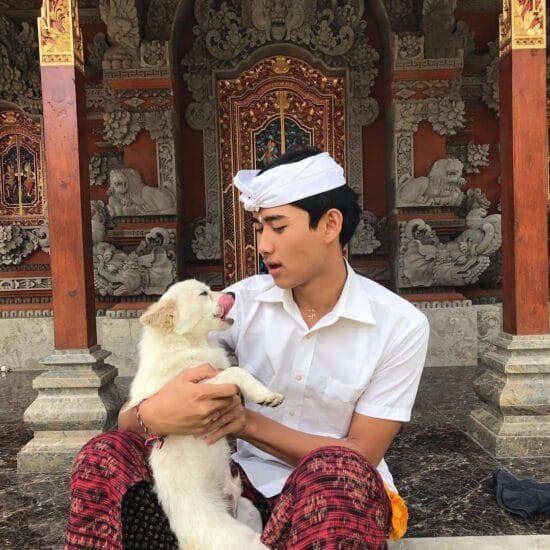
Written by Kadek Darma
Watching a dog transform from a frail, neglected soul into a vibrant companion is truly one of life’s most heartwarming experiences. When Ziggy was first rescued, he was struggling with severe neglect and an untreated thyroid condition that left him nearly hairless and exhausted.
It is incredible to see how proper veterinary care and unconditional love can help a senior dog rediscover his spark. Ziggy essentially aged in reverse, proving that with the right support, your furry friend can enjoy their golden years in comfort and happiness.
Key Takeaways
- Early intervention for health issues like thyroid dysfunction can drastically improve a dog’s quality of life.
- Senior dogs often require specialized diets and regular checkups to manage age-related conditions effectively.
- Environmental enrichment and gentle exercise help keep older dogs mentally and physically stimulated.
- Patience is essential when rehabilitating a rescue dog, as they often need time to build trust.
Understanding Senior Dog Health
As your dog enters their senior years, their body begins to change in ways that require a bit more attention. You might notice they move a little slower or prefer a cozy nap over a long game of fetch.
These subtle shifts are perfectly normal, but you should always keep a close eye on their overall behavior. Being proactive about their health means you can catch potential issues before they become major hurdles for your pet.
1. Identifying Common Signs of Aging
Recognizing the signs of aging early allows you to provide the necessary support for your companion. If you notice any of these symptoms, schedule a visit with your veterinarian to discuss the best path forward:
- Increased thirst or urination patterns.
- Noticeable thinning of the coat or skin changes.
- Sudden weight loss or unexplained weight gain.
- Reduced interest in physical activities or social interaction.
- Difficulty rising from a lying position.
2. The Role of Veterinary Care
Regular wellness exams are the cornerstone of keeping your senior dog healthy and comfortable. Veterinarians can monitor vital signs and screen for chronic conditions that are common in older pets.
You should consider these factors when organizing your dog’s care routine. Consistency with medication, supplements, and nutrition makes a significant difference in how they feel on a daily basis.
| Condition | Common Sign | Action Needed |
|---|---|---|
| Joint Stiffness | Slow to stand | Orthopedic bed |
| Thyroid Issues | Hair loss | Vet blood panel |
| Dental Pain | Drooling/Bad breath | Dental cleaning |
3. Nutrition and Lifestyle Adjustments
A balanced diet is essential for supporting a senior dog’s immune system and maintaining a healthy weight. As your dog ages, their metabolism slows down, so you may need to adjust their caloric intake accordingly.
Providing soft, easily accessible food can also help if your dog struggles with dental sensitivity. For more information on nutritional needs, you can check out the resources provided by the American Veterinary Medical Association.
Creating a Comfortable Home Environment
Making small changes around your house can make a world of difference for a senior dog. Think about their daily routine and look for ways to reduce physical strain.
You might want to add ramps to help them navigate stairs or place rugs on slippery hardwood floors to improve their traction. These simple modifications help your dog maintain their independence and confidence throughout the day.
Essential Supplies for Senior Dogs
- Orthopedic memory foam dog bed.
- Non-slip floor runners or area rugs.
- Raised food and water bowls.
- Easy-to-use harnesses for walks.
- Sturdy ramps for vehicle or furniture access.
When you invest time into making your home accessible, you are directly contributing to your dog’s long-term well-being. Keeping their environment stress-free is just as important as the medical care you provide.
Maintaining Mental Sharpness
Just like people, dogs benefit from keeping their minds active during their senior years. You can introduce gentle puzzle toys or spend time teaching them new, low-impact tricks to keep their brain engaged.
Socialization remains vital, even for older dogs who might prefer a quiet environment. Regular, gentle interaction with you is often all they need to feel secure and loved.
The information on petautumn.com is for general informational purposes only and does not constitute veterinary advice. Pet health needs vary by breed, age, and individual condition. Always consult a licensed veterinarian before making decisions about your pet’s health, diet, or medical treatment. Pet Autumn is not affiliated with any veterinary organization, pet food manufacturer, or breeder.
Watching a dog like Ziggy blossom after a difficult past reminds us of the profound impact we have on their lives. By paying attention to their changing needs, you ensure they spend their best years feeling safe, comfortable, and cherished.
Every bit of effort you put into their care comes back to you in the form of wagging tails and quiet, loving companionship. Treasure these moments, as they are the heart of what it means to be a pet owner.

Dog care writer at petautumn.com. Visual Communication Design graduate (S.Ds) from Universitas Udayana. Covers dog breeds, behavior, training, and gear reviews. Dog dad to Meepo. Based in Austin, Texas.