Written by Kadek Darma
You notice your dog taking a little longer to stand up in the morning, flinching when you reach to pick them up, or hesitating before jumping onto the couch. These small behavioral changes are easy to brush off as simple aging, but they often signal that something is amiss within their spine or joints.
Many pet owners are now exploring canine chiropractic care to help their companions feel more comfortable and move with ease. If you have never heard of this approach or are wondering whether it could help your furry friend, here is a breakdown of what you should know.
Key Takeaways
- Chiropractic care focuses on the spine and joints to restore normal movement and ease discomfort without invasive procedures.
- Conditions like arthritis, disc issues, and hip pain may respond well to adjustments when combined with standard veterinary care.
- Only certified animal chiropractors should handle your dog, as improper force can cause serious, irreversible injury.
- Puppies are not suitable candidates because their musculoskeletal systems are still developing and remain fragile.
- Always consult your primary veterinarian before starting any new therapy to ensure it fits your dog’s specific needs.
Understanding Canine Chiropractic Care
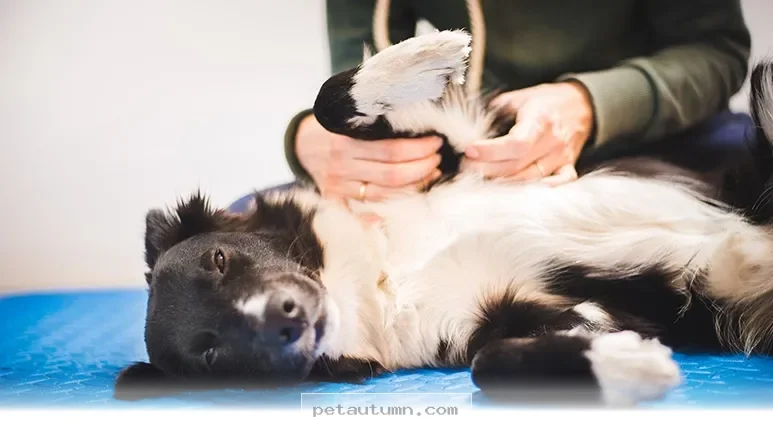
Chiropractic care is a hands-on approach that involves gently adjusting the spine, limbs, or skull to help restore proper function and support overall physical health. By releasing specific restrictions, the nervous system can often work more efficiently, leading to noticeable relief for many dogs.
Most joint movement restrictions are subclinical, meaning they do not show up on routine tests like X-rays. Because of this, underlying issues can quietly build over time until they become obvious problems, which is why consistent care can help catch concerns early.
Common Conditions and Potential Benefits
Chiropractic care is not a cure-all, but it can be a meaningful part of your dog’s wellness routine for several common challenges. It works best when viewed as a complementary therapy rather than a replacement for traditional veterinary medicine.
1. Addressing Mobility and Pain
Many dogs struggle with mobility as they age or due to inherited conditions. Adjustments can improve joint movement and potentially reduce pain when combined with weight management and low-impact activity.
2. Supporting Recovery and Comfort
Dogs healing from trauma or surgery may benefit from chiropractic sessions as part of a broader rehabilitation plan. Improved circulation helps healing nutrients reach the areas that need them most, which may speed up the recovery process.
| Condition | Potential Benefit |
|---|---|
| Chronic Arthritis | Improved joint flexibility and reduced stiffness. |
| Hip Dysplasia | Better weight distribution and range of motion. |
| Spinal Disc Issues | Reduced muscle spasms and nerve irritation. |
| Acute Injury | Requires strict veterinary clearance before adjustment. |
3. Monitoring Your Dog’s Response
A trained animal chiropractor tailors care to your dog’s specific needs and adjusts treatments over time. This personalized approach supports long-term comfort, though results vary significantly based on the individual animal.
Safety and Professional Selection
When performed by a trained professional, chiropractic care can be a safe and supportive addition to your dog’s wellness routine. You should prioritize finding a provider who holds proper training and certification from reputable organizations like the American Veterinary Chiropractic Association.
1. Why Certification Matters
Proper technique is essential, as too much force can cause severe injury to your pet’s spine. Always ask for credentials and verify that your practitioner has experience working specifically with dogs.
2. The Importance of Veterinary Oversight
Always consult your regular veterinarian before booking a visit to a chiropractor. They know your dog’s full medical history and can determine if there are underlying issues that might make manual adjustments unsafe.
3. Life Stages to Consider
Puppies are generally not recommended for this type of care because their bodies are still forming. Instead, focus on providing your puppy with balanced nutrition and age-appropriate exercise to ensure their joints develop correctly.
The information on petautumn.com is for general informational purposes only and does not constitute veterinary advice. Pet health needs vary by breed, age, and individual condition. Always consult a licensed veterinarian before making decisions about your pet’s health, diet, or medical treatment. Pet Autumn is not affiliated with any veterinary organization, pet food manufacturer, or breeder.
Integrating alternative therapies into your dog’s life can be a rewarding way to improve their quality of life. By focusing on professional care and working closely with your vet, you can help your companion stay active and happy for years to come.
Remember that every dog is unique and may respond differently to physical therapy or adjustments. Keep a close eye on their behavior after any session to ensure they feel comfortable and remain their energetic selves.

Dog care writer at petautumn.com. Visual Communication Design graduate (S.Ds) from Universitas Udayana. Covers dog breeds, behavior, training, and gear reviews. Dog dad to Meepo. Based in Austin, Texas.