[Last Updated: May 05, 2026]
Written by Ayu Pratiwi
Finding a stray cat while lounging at a Caribbean resort sounds like a dream scenario for many travelers. However, the reality of turning a vacation encounter into a permanent rescue journey is often complex and heart-wrenching.
Many tourists find themselves bonded to a local feline friend after just a few days of sun and sand. You might wonder if you should bring that sweet orange cat home to live with you forever.
Key Takeaways
- International pet travel requires extensive documentation and health clearances.
- Local rescue groups are often your best resource for navigating local laws.
- Not every stray cat is a candidate for long-distance relocation due to stress.
- Quarantine requirements vary significantly depending on your home country’s regulations.
- Always prioritize the animal’s physical and emotional well-being over your desire to adopt.
The Reality of International Cat Rescue
Rescuing a cat from a foreign country involves much more than just booking an extra flight ticket. You must carefully navigate local animal control regulations and airline pet policies.
1. Understanding the Legal Requirements
Before you make any promises to a stray cat, check the import requirements for your home country. Most nations require a specific microchip, a rabies vaccination certificate, and a health certificate signed by a licensed veterinarian.
2. Finding Local Partners
You cannot do this alone. Reach out to established ASPCA resources or local Caribbean shelters to see if they can assist with the logistics. They understand the local process for health testing and exit permits.
3. Evaluating the Cat’s Health
Living as a stray often exposes cats to parasites and diseases not common in domestic environments. A vet must screen the animal for feline leukemia and other conditions before travel.
4. Preparing for the Journey
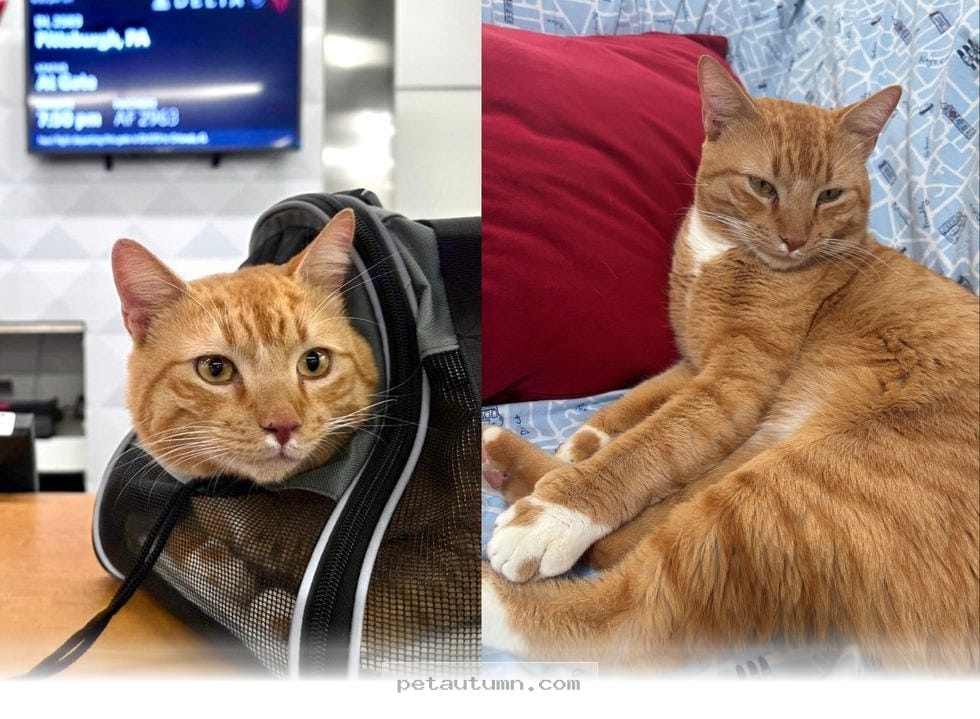
Long-distance travel is incredibly stressful for cats. You need to ensure the animal is stable enough for a flight and that you have a secure, airline-approved carrier.
This process requires patience, funding, and a deep commitment to the cat’s future.
Comparing Rescue Methods
Deciding how to help a stray involves weighing the pros and cons of direct adoption versus supporting local efforts.
| Rescue Approach | Primary Benefit | Potential Risk |
|---|---|---|
| Direct Adoption | Immediate safety for the cat | High financial and emotional stress |
| Local Sponsorship | Supports sustainable community care | Cat remains in a vulnerable environment |
| Relocation to Shelter | Professional medical assessment | Risk of overcrowding in local facilities |
Common Challenges for Tropical Rescues
- Heat exhaustion during transit or wait times.
- Difficulty finding veterinarians willing to sign international documents.
- Airline policies that restrict live animal transport during peak seasons.
- Unexpected costs for boarding while waiting for clearance.
Navigating these obstacles is a significant undertaking that requires you to stay organized.
Essential Steps for a Successful Rescue
If you decide to proceed with the relocation, follow these steps to keep the process orderly.
- Secure a local vet to handle all required vaccinations and health paperwork immediately.
- Verify your airline’s pet policy, as many carriers have strict breed and weight limits.
- Purchase a high-quality carrier that provides proper ventilation for the cat.
- Schedule a follow-up appointment with your own veterinarian the moment you return home.
Always remember that the cat’s comfort is your top priority during the transit process.
Managing the Transition Home
Once you finally arrive home, the work is far from finished. Your new companion will need time to adjust to a new climate and a indoor lifestyle.
Tips for a Smooth Arrival
- Create a quiet, small sanctuary room where the cat can decompress.
- Provide familiar items like a specific blanket or toy from the rescue process.
- Keep the cat strictly indoors to prevent escape and allow for proper monitoring.
- Schedule a comprehensive health screening with your local vet within 48 hours.
Transitioning from a Caribbean beach to your living room is a major life change for any cat.
The information on petautumn.com is for general informational purposes only and does not constitute veterinary advice. Pet health needs vary by breed, age, and individual condition. Always consult a licensed veterinarian before making decisions about your pet’s health, diet, or medical treatment. Pet Autumn is not affiliated with any veterinary organization, pet food manufacturer, or breeder.
Bringing a stray cat home is a beautiful act of kindness that changes two lives forever. You are providing a future for an animal that might not have survived otherwise.
Make sure you have the support system and resources needed for this long-term commitment. Your new friend will surely appreciate the effort once they are finally resting in your home.

Cat care writer at petautumn.com. English Literature graduate (S.S) from Universitas Udayana. Covers cat breeds, behavior, nutrition, grooming, and health. Cat mom to Luna and Lina. Based in Austin, Texas.