Written by Ayu Pratiwi
Have you ever worried about your cat wandering too far from your porch? It is a common fear for many pet parents, especially if your feline friend enjoys the outdoors.
Cats possess a remarkable natural ability to navigate their surroundings. Understanding how they manage this can help you keep your curious companion safe.
Key Takeaways
- Cats utilize a combination of sensory cues, including smell and sound, to map their territory.
- Magnetic sensitivity may assist felines in orientation during longer journeys.
- Familiarity with the local environment is the strongest factor in a cat’s successful return.
- Microchipping and proper identification are the most effective ways to ensure a reunion.
- Outdoor cats have a larger home range than strictly indoor pets.
Understanding the Feline Homing Instinct
Cats are territorial creatures that naturally develop a mental map of their immediate surroundings. This internal navigation system relies heavily on their acute senses.
Experts suggest that cats might also possess a form of magnetoreception. This biological compass allows them to detect the Earth’s magnetic field for orientation.
How Cats Navigate Their World
- Scent Marking: Cats leave pheromones on objects to create a familiar scent trail.
- Auditory Mapping: They memorize specific sounds, like traffic or neighborhood wildlife, to pinpoint their location.
- Visual Landmarks: Felines identify high points and unique structures to keep their bearings straight.
- Magnetic Sensitivity: Some research indicates cats use magnetic fields to assist with long-distance navigation.
Transitioning from local navigation, it is helpful to look at the factors that influence whether a lost cat finds its way back.
Variables Affecting Return Success
Not every cat has the same chance of returning home if they get lost. Several factors play a role in their ability to retrace their steps.
Factors That Influence Success
- Experience: Older cats with established territories are more likely to return than younger, inexperienced ones.
- Distance: If a cat is displaced far from home, their ability to navigate decreases significantly.
- Health: Injured or frightened cats may seek hiding spots rather than attempting to travel home.
- Environment: Urban settings with heavy traffic pose more risks than quiet, rural neighborhoods.
| Factor | Impact on Return |
|---|---|
| Familiar Territory | High Success Rate |
| New Neighborhood | Moderate Confusion |
| Sudden Displacement | Low Return Probability |
Understanding these variables helps you better protect your cat during travel or moves. For more information on cat behavior, visit ASPCA.
Steps to Take if Your Cat Goes Missing
If your cat does not return at their usual time, remain calm and act quickly. Most lost indoor cats stay within a very small radius of the house.
Search Strategy Tips
- Check Hiding Spots: Look under porches, inside sheds, and beneath dense bushes nearby.
- Use Familiar Scents: Place their favorite bedding or a piece of your clothing outside to guide them home.
- Utilize Technology: Check neighborhood social media groups or apps like Nextdoor to alert your community.
- Keep Doors Open: If safe, leave a garage door or window slightly cracked to provide a path inside.
- Visit Shelters: Contact local animal control and shelters to file a missing pet report immediately.
Once you have established your search, consider these common behaviors of lost cats.
Common Signs of a Stressed Cat
- Excessive hiding in dark, quiet spaces.
- Refusal to come out, even when called by owners.
- Unusual aggression or fearfulness toward familiar people.
- Reluctance to eat or drink due to anxiety.
| Action | Status |
|---|---|
| Microchipping | Essential |
| Updated Tags | Highly Recommended |
| Indoor-Only Policy | Safest Option |
For additional tips on keeping your cat safe, you can read more at PetMD. Always ensure your contact information on your cat’s microchip is current.
Preventing Future Wanderings
You can take proactive measures to ensure your cat stays close to home. Environmental enrichment is a key part of keeping them satisfied indoors.
How to Keep Your Cat Close
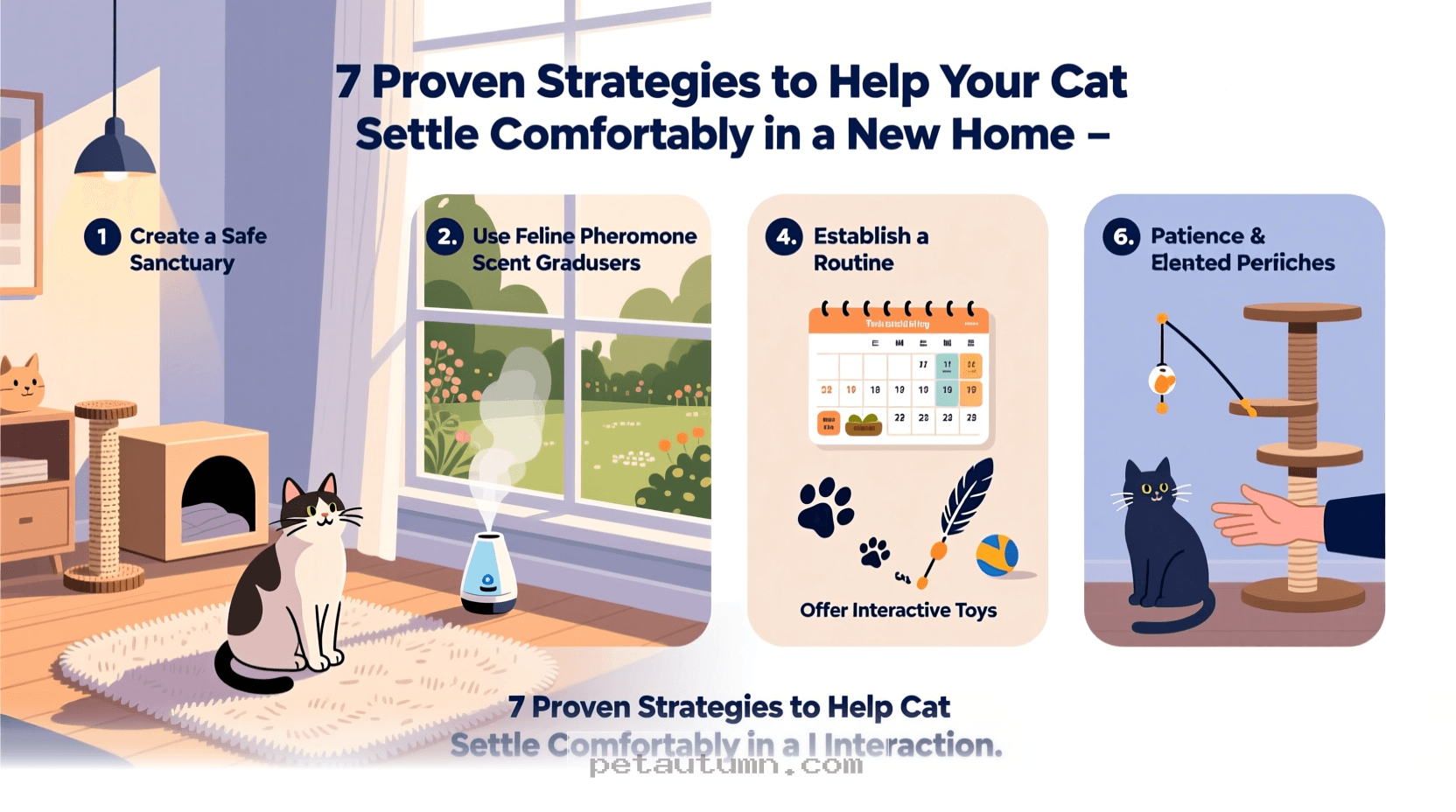
- Provide Vertical Space: Cat trees and window perches give them an outlet for their natural climbing instincts.
- Regular Playtime: Interactive toys help burn energy so they feel less need to roam outside.
- Secure Outdoor Time: Consider building a "catio" if your pet really loves fresh air and sunshine.
- Spay or Neuter: Fixed cats have less drive to roam in search of mates, which keeps them closer to home.
By focusing on enrichment, you reduce the urge for your cat to seek excitement elsewhere. A happy cat is usually a cat that stays put.
The information on petautumn.com is for general informational purposes only and does not constitute veterinary advice. Pet health needs vary by breed, age, and individual condition. Always consult a licensed veterinarian before making decisions about your pet’s health, diet, or medical treatment. Pet Autumn is not affiliated with any veterinary organization, pet food manufacturer, or breeder.
While cats have impressive survival skills, they still rely on your care to stay safe. Taking these small steps can make a big difference in their security.
Focus on creating an engaging indoor environment to keep their wanderlust at bay. You will find that your cat is much happier when they feel safe and secure with you.

Dog care writer at petautumn.com. Visual Communication Design graduate (S.Ds) from Universitas Udayana. Covers dog breeds, behavior, training, and gear reviews. Dog dad to Meepo. Based in Austin, Texas.