Written by Ayu Pratiwi
Imagine hearing a tiny, desperate cry echoing from deep beneath the concrete of a busy street. For one lucky kitten in Florida, that sound was the difference between being forgotten and finding a forever home.
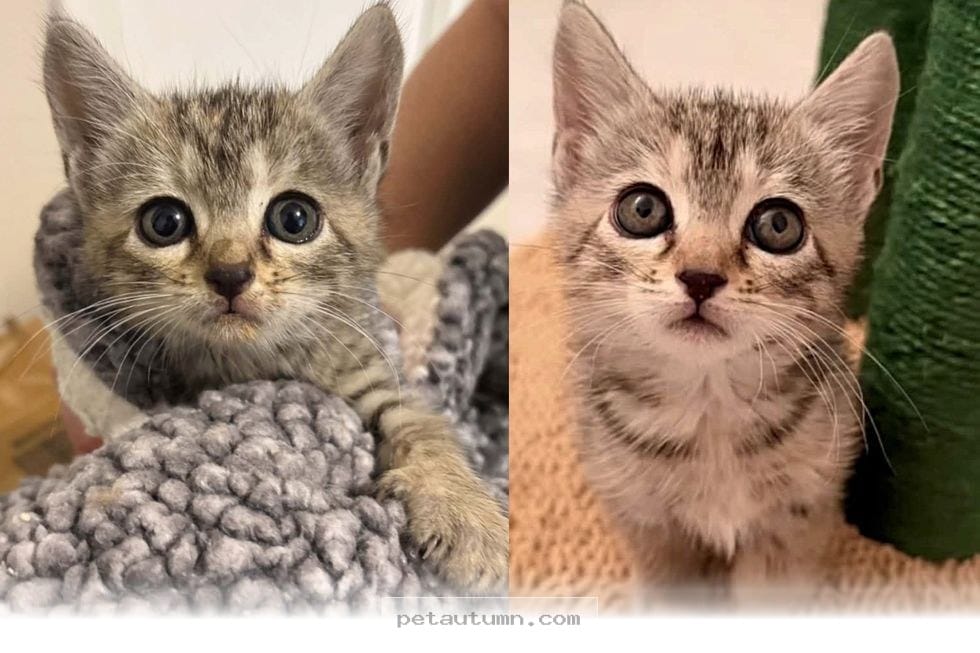
Rescuers spent days tracking the faint meows of a kitten trapped inside a dark, damp storm drain. Once pulled to safety and wrapped in a warm blanket, her life transformed from a cold struggle for survival into the cozy comfort of an indoor cat.
Key Takeaways
- Storm drains pose extreme risks to kittens, including hypothermia, dehydration, and dangerous debris.
- Early intervention by rescue professionals is vital for kittens found in distress.
- Transitioning a street kitten to indoor life requires patience, medical clearance, and a slow introduction to home comforts.
- Proper nutrition and veterinary care are the foundations of helping a rescued kitten thrive.
The Reality of Rescue Operations
Storm drains are unforgiving environments for small animals. When a kitten becomes trapped, the combination of darkness, moisture, and potential toxins creates an urgent race against time for local animal control or rescue volunteers.
If you ever suspect a kitten is trapped in a drain, do not attempt a dangerous rescue yourself. Contact local authorities who have the specialized equipment to safely extract the animal without causing further harm.
Common Signs of a Trapped Kitten
- Persistent, high-pitched vocalizations near storm grates or sewer access points.
- Scratches or paw marks visible near drainage openings.
- Visible signs of distress, such as shivering or matted fur, seen through the grate.
- Presence of a mother cat pacing or vocalizing around a specific drain area.
Life After the Rescue
Once the initial danger has passed, your focus should shift toward physical recovery. Rescued kittens often arrive with parasites, malnutrition, or mild respiratory infections that require professional attention from a veterinarian.
Learn more about kitten health and development from the Cornell Feline Health Center.
Essential Supplies for Your New Arrival
- Soft, absorbent blankets for warmth and security.
- High-quality kitten formula or canned food recommended by your vet.
- A low-sided litter box that is easy to access.
- A quiet, small room to help them adjust without feeling overwhelmed.
Comparing Indoor and Outdoor Lifestyles
Transitioning a kitten from a dangerous outdoor environment to an indoor lifestyle is the safest choice for their longevity. While some owners consider letting cats roam, the risks of outdoor life are significant compared to the controlled safety of your living room.
| Feature | Indoor Life | Outdoor Life |
|---|---|---|
| Lifespan | Longer | Shorter |
| Exposure to Risks | Minimal | High |
| Predators | None | Frequent |
| Veterinary Needs | Routine | Frequent/Emergency |
How to Help Your Kitten Adjust
- Create a Sanctuary Space: Set up a quiet room with everything the kitten needs to feel secure.
- Limit Initial Interaction: Allow the kitten to explore at their own pace without forced handling.
- Establish a Routine: Consistent feeding and play times build trust and predictability.
- Schedule Veterinary Visits: Prioritize a full wellness check to address any lingering issues from their time outdoors.
- Monitor Socialization: Observe how your kitten reacts to household noises and other pets before introducing them to the rest of your home.
The Benefits of Early Socialization
Young kittens are highly impressionable. By providing a loving indoor environment, you are actively teaching them that humans are safe and the world is not a scary place.
Consult the ASPCA for expert tips on feline socialization and behavioral care. Patience is your most effective tool during this phase.
Building a Bond of Trust
It may take weeks for a rescue kitten to fully shed their survival instincts. Keep your movements slow and speak in a soft, soothing tone to help them feel at ease.
Offer plenty of gentle play sessions to burn off energy. Positive reinforcement through treats and praise helps turn a shy rescue into a confident, affectionate family companion.
The information on petautumn.com is for general informational purposes only and does not constitute veterinary advice. Pet health needs vary by breed, age, and individual condition. Always consult a licensed veterinarian before making decisions about your pet’s health, diet, or medical treatment. Pet Autumn is not affiliated with any veterinary organization, pet food manufacturer, or breeder.
Watching a kitten move from the trauma of a storm drain to the luxury of a sunbeam in your living room is a deeply rewarding experience. Every bit of effort you put into their transition helps them heal from the past.
You are providing them with the safety they never had before. Enjoy these quiet moments of connection as your new friend discovers what it truly means to be a beloved indoor cat.

Cat care writer at petautumn.com. English Literature graduate (S.S) from Universitas Udayana. Covers cat breeds, behavior, nutrition, grooming, and health. Cat mom to Luna and Lina. Based in Austin, Texas.