Written by Ayu Pratiwi
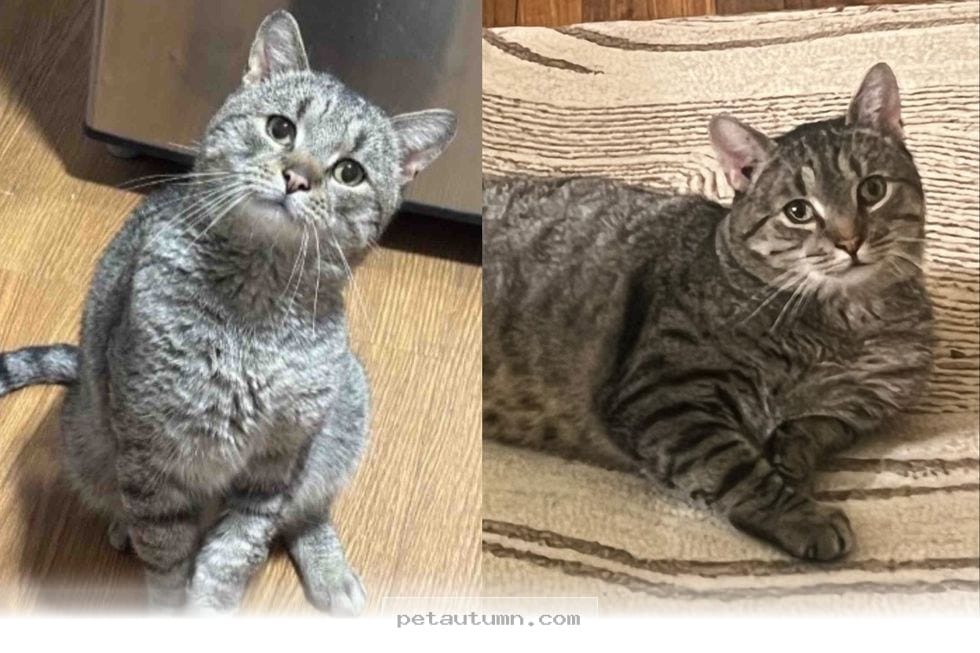
Imagine finding a shivering, tiny soul hiding among cold car engines and grease. That was the reality for one lucky tabby cat who spent his early days fighting for warmth in a busy auto shop.
Finding a stray cat in such a hazardous environment is a terrifying ordeal for any animal. Thankfully, this little guy’s story shifted from one of survival to a future filled with love and soft blankets.
Key Takeaways
- Rescuing a stray cat from a mechanical shop requires patience and specialized safety gear.
- Immediate veterinary assessment is the first priority for any animal pulled from a dangerous environment.
- Proper socialization helps feral or scared strays transition into confident indoor pets.
- Understanding the signs of trauma helps you provide the right support during the adjustment period.
The Reality of Rescuing Shop Cats
Many stray cats gravitate toward garages and auto shops seeking heat from engine blocks. While this provides a temporary refuge from the elements, it poses extreme risks like toxic fluid exposure and accidental injury.
When you discover a cat in this environment, your presence might be overwhelming for them. Approach slowly, keep your voice low, and avoid making sudden movements that could trigger their fight or flight response.
Signs Your Rescued Cat Is Struggling
- Hiding in dark, enclosed spaces for long periods.
- Refusing to eat or drink when you are in the room.
- Excessive grooming or pulling out patches of fur.
- Sudden hissing or swatting when approached too quickly.
- Lethargy or signs of respiratory distress from oil fumes.
Step-by-Step Guide to Helping a Stray
Helping a cat transition from a harsh environment to a home requires a structured, gentle plan. You must create a safe space where the animal feels in control of their surroundings.
1. Secure a Safe Space
Set up a quiet room with low light and minimal foot traffic to prevent sensory overload. Place a cozy bed in a corner so the cat feels hidden but secure while they observe you.
2. Prioritize Veterinary Care
Schedule an appointment with a local clinic immediately to check for underlying health issues. According to the ASPCA, early intervention is vital for treating potential illnesses common in outdoor strays.
3. Build Trust Through Routine
Maintain a consistent schedule for feeding and interaction to show the cat they can rely on you. Spend time sitting on the floor nearby, reading a book or speaking softly, without demanding their attention.
4. Monitor Health and Behavior
Keep a journal of your cat’s habits to identify any subtle changes that might indicate stress. Watch for changes in appetite or litter box usage, as these are often the first signs that something is wrong.
Managing the Transition Period
Bringing a stray into your home is a rewarding journey, but it comes with unique challenges. You will need to weigh the commitment required against the joy of watching a cat finally thrive.
| Factor | Initial Adjustment | Long-Term Outcome |
|---|---|---|
| Socialization | High effort/High anxiety | Deep bond and trust |
| Health Needs | Frequent vet visits | Stable maintenance |
| Risk Level | High/Unpredictable | Low/Managed |
Essential Supplies for Your New Rescue
- Calming pheromone diffusers to reduce anxiety.
- High-quality protein-rich food to help them regain strength.
- A variety of hiding spots like cardboard boxes or soft tunnels.
- Durable toys to encourage natural hunting behaviors.
- A sturdy carrier for safe transport to the veterinarian.
Understanding the Feral to Indoor Shift
Not every cat rescued from a garage will be a cuddly lap cat overnight. Some may always remain independent, while others might become the most affectionate companions you have ever known.
Patience is the currency of the rescue world. Allow your cat to set the pace for every interaction, ensuring they feel empowered rather than forced into your version of a happy home.
The information on petautumn.com is for general informational purposes only and does not constitute veterinary advice. Pet health needs vary by breed, age, and individual condition. Always consult a licensed veterinarian before making decisions about your pet’s health, diet, or medical treatment. Pet Autumn is not affiliated with any veterinary organization, pet food manufacturer, or breeder.
Witnessing a cat transform from a shivering, frightened soul into a confident family member is an incredibly moving experience. You have the power to change a life by offering safety and patience.
Thank you for choosing to provide a loving home to an animal in need. Your kindness ensures that these survivors finally receive the comfort they have always deserved.

Cat care writer at petautumn.com. English Literature graduate (S.S) from Universitas Udayana. Covers cat breeds, behavior, nutrition, grooming, and health. Cat mom to Luna and Lina. Based in Austin, Texas.