Written by Ayu Pratiwi
Since our feline friends cannot speak, you are the most important advocate for their health. Staying observant of your cat’s daily behavior is the best way to catch potential issues before they become serious emergencies.
Even if you keep up with routine wellness exams, a sudden change in your cat’s normal routine often signals an underlying problem. You know your cat better than anyone, so trust your instincts if something just seems off.
Key Takeaways
- Always monitor your cat for subtle changes in appetite, energy levels, or bathroom habits.
- Certain symptoms like straining to urinate require immediate emergency veterinary attention.
- Hiding or social withdrawal is a classic feline sign of pain or discomfort.
- Sudden weight fluctuations or increased thirst can point to serious metabolic conditions.
Identifying Concerning Symptoms
Because cats are experts at masking illness, you must look for subtle shifts in their lifestyle. When your cat starts acting differently, it is rarely just "a phase."
1. Changes in Appetite or Thirst
If your cat suddenly stops eating or shows a sharp decrease in interest toward food, consult a professional. Conversely, if your cat is drinking from every faucet or constantly seeking water, this can indicate kidney issues or diabetes.
2. Behavioral Withdrawal
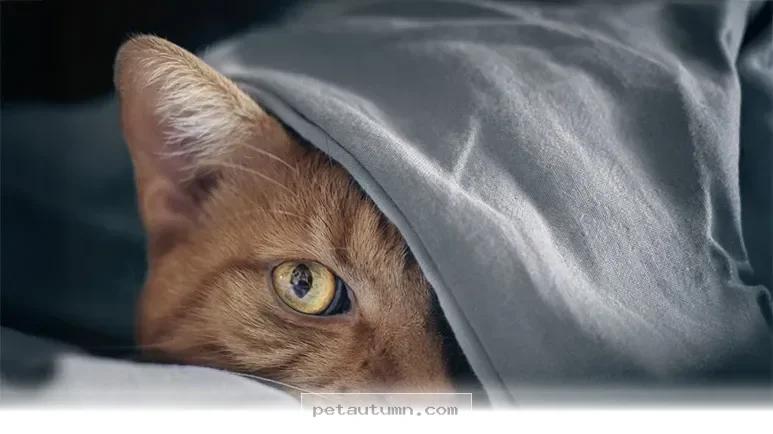
Cats are instinctually driven to hide when they feel vulnerable or in pain. If your once-cuddly companion suddenly prefers the back of a dark closet or avoids your touch, they are likely suffering.
3. Litter Box Accidents
Sudden accidents outside the litter box are rarely behavioral issues in a house-trained cat. This is often a cry for help linked to urinary tract infections or systemic illness.
4. Grooming Habits
A cat that has stopped grooming may be experiencing joint pain or general malaise. On the other hand, excessive licking of a specific spot can indicate skin irritation or localized pain.
5. Energy Fluctuations
While cats love a good nap, an increase in lethargy is a red flag. Sudden hyperactivity in senior cats, particularly when paired with weight loss, may suggest hyperthyroidism.
| Symptom | Severity | Potential Concern |
|---|---|---|
| Refusing to eat | High | Dental pain or systemic illness |
| Straining to urinate | Emergency | Urinary obstruction |
| Hiding/Withdrawal | Medium | Chronic pain or stress |
| Excessive thirst | Medium | Kidney or metabolic disease |
| Weight loss | High | Hyperthyroidism or diabetes |
When to Seek Emergency Care
Some conditions can progress from a mild issue to a life-threatening crisis within hours. If you notice any of the following, do not wait for a scheduled appointment.
- Straining to urinate: If your cat sits in the litter box for long periods without producing urine, get to an emergency clinic immediately. This is a life-threatening blockage that can become fatal within days.
- Difficulty breathing: Open-mouth breathing or rapid, shallow breaths are clear indicators of respiratory distress.
- Lethargy and collapse: Any sudden inability to walk or stand warrants an urgent trip to the vet.
- Persistent vomiting or diarrhea: If your cat cannot keep fluids down, they are at high risk for dangerous dehydration.
Managing Your Cat’s Health
- Keep a simple log of your cat’s eating and drinking habits.
- Ensure the litter box remains clean so you can spot changes in waste output.
- Provide a low-stress environment to help your cat feel secure.
- Maintain a current relationship with a trusted local veterinarian.
The information on petautumn.com is for general informational purposes only and does not constitute veterinary advice. Pet health needs vary by breed, age, and individual condition. Always consult a licensed veterinarian before making decisions about your pet’s health, diet, or medical treatment. Pet Autumn is not affiliated with any veterinary organization, pet food manufacturer, or breeder.
Being a proactive pet owner is the greatest gift you can provide for your cat’s longevity. By recognizing these warning signs early, you ensure that your cat receives the necessary care before a minor issue develops into a major health crisis.
Remember that your veterinarian is your partner in this journey. If you ever feel that something is wrong, even if the symptoms seem minor, it is always better to have your cat evaluated for peace of mind.

Dog care writer at petautumn.com. Visual Communication Design graduate (S.Ds) from Universitas Udayana. Covers dog breeds, behavior, training, and gear reviews. Dog dad to Meepo. Based in Austin, Texas.