Written by Kadek Darma
Chewing is a natural and healthy part of life for your dog. Puppies explore the world through their mouths, while adult dogs often chew for mental stimulation and relaxation.
Providing appropriate outlets for this instinct can help you protect your shoes and furniture. However, not all dog chews are created equal, and some common options may carry hidden risks.
Key Takeaways
- Rawhide is a byproduct of the leather industry that undergoes extensive chemical processing before reaching the store shelf.
- The main dangers of rawhide include choking hazards, intestinal blockages, and potential exposure to chemical residues.
- Dogs with aggressive chewing habits or smaller body sizes are at the highest risk for medical complications.
- Always prioritize single-ingredient, digestible alternatives that do not swell or create sharp, dangerous fragments in the gut.
Understanding the Rawhide Manufacturing Process
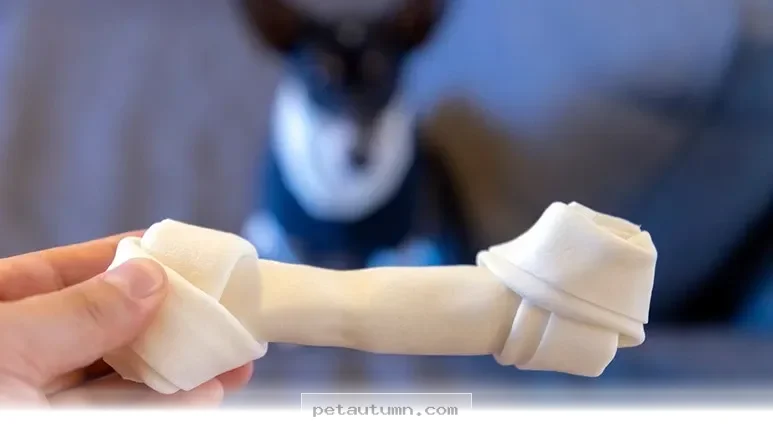
Many owners assume rawhide is a simple, natural product, but it is actually a byproduct of the leather industry. Manufacturers typically take the inner layer of a hide and treat it with a variety of chemicals.
This process often involves using lime, hydrogen peroxide, or bleach to clean and whiten the material. These chews may also contain artificial flavorings or preservatives to entice your dog, which adds even more additives to their diet.
Why Rawhide Can Become a Medical Emergency
The primary concern with rawhide is that it is not easily digestible for your canine companion. When your dog gnaws on these items, the material softens into a sticky, gooey mass.
If your dog swallows a large fragment, it can cause immediate trouble. These pieces can become lodged in the throat or move further down into the digestive tract, where they may expand and cause a blockage.
Common Signs of Trouble
- Frequent gagging or persistent coughing
- Sudden loss of appetite or refusal to eat
- Repeated vomiting or attempts to vomit
- Visible lethargy or signs of abdominal pain
- Unusual changes in bowel movements, such as straining
Comparing Common Dog Chews
Choosing the right chew requires a clear understanding of how different materials behave inside your pet. Use this guide to help you decide which options are safer for your household.
| Chew Type | Digestibility | Risk Level | Notable Features |
|---|---|---|---|
| Rawhide | Low | High | Swells in the stomach; potential chemical residue |
| Bully Sticks | High | Low | Single-ingredient; protein-based; fully digestible |
| Raw Carrots | High | Low | Low calorie; crunchy; great for dental health |
| Processed Bones | Very Low | High | Prone to splintering; can damage teeth |
| Fish Skins | High | Low | Rich in Omega-3 fatty acids; easy to digest |
Tips for Safer Chewing Habits
You can protect your pet by being proactive about the items you bring into your home. Follow these simple steps to ensure your dog stays safe while enjoying their favorite pastimes.
- Supervise every single session. Never leave your dog alone with a new chew until you are certain how they handle it.
- Select the right size. Ensure the chew is large enough that your dog cannot swallow it whole, but small enough to handle comfortably.
- Monitor for wear and tear. Remove the chew immediately if you notice your dog breaking off large, sharp, or jagged pieces.
- Rotate your offerings. Instead of relying on one type of treat, provide a variety of safe, natural options to keep your dog engaged.
- Check your labels. Always look for single-ingredient products and avoid items with long lists of unpronounceable chemical additives.
The information on petautumn.com is for general informational purposes only and does not constitute veterinary advice. Pet health needs vary by breed, age, and individual condition. Always consult a licensed veterinarian before making decisions about your pet’s health, diet, or medical treatment. Pet Autumn is not affiliated with any veterinary organization, pet food manufacturer, or breeder.
Choosing safer alternatives is one of the easiest ways to support your dog’s long-term wellness. By swapping out processed options for natural chews, you provide your dog with a satisfying experience that won’t land you in the emergency clinic.
Take a moment to observe your dog’s chewing style this week. If they tend to gulp their treats, prioritize harder, longer-lasting, and more digestible alternatives that keep them busy without the unnecessary risk.

Cat care writer at petautumn.com. English Literature graduate (S.S) from Universitas Udayana. Covers cat breeds, behavior, nutrition, grooming, and health. Cat mom to Luna and Lina. Based in Austin, Texas.