Written by Ayu Pratiwi
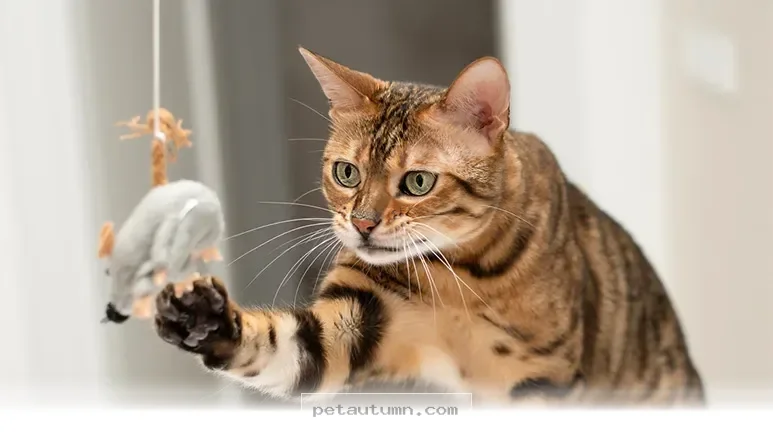
Have you ever watched your cat pounce on a toy with the intensity of a jungle predator and wondered if they are actually a tiny lion in disguise? It might sound like typical pet parent exaggeration, but there is far more truth to that comparison than you might realize.
Your cat’s daily habits are deeply rooted in their wild ancestors. By understanding these ancient instincts, you can provide a home environment that keeps your feline friend happy and healthy.
Key Takeaways
- Domestic cats share a common lineage with the African wildcat and retain most of their ancestral survival instincts.
- Cats are obligate carnivores that utilize the same stalking, waiting, and pouncing behaviors as their larger, wild counterparts.
- Both big cats and house cats rely on keen senses, scent marking, and flexible, padded paws to navigate their territories.
- Providing puzzle feeders, vertical climbing spaces, and rotating play sessions helps satisfy a cat’s natural urge to hunt.
The Wild Origins of Your Couch Potato
The cat currently lounging on your sofa is not very far removed from its wild relatives. Domestic cats primarily descended from the African wildcat, a species that still roams throughout parts of Africa and the Middle East today.
Unlike many dog breeds that have changed dramatically through centuries of selective breeding, cats remain remarkably similar to their wild ancestors. This is partly because they largely domesticated themselves by gravitating toward human settlements that offered a steady supply of rodents.
8 Similarities Between House Cats and Big Cats
Because their basic biological blueprint remains largely unchanged, your cat shares several key traits with apex predators like lions and tigers. Understanding these connections can turn your home into a more enriching space for your pet.
1. Obligate Carnivore Nutrition
Both big cats and house cats are biologically designed to thrive on a meat-based diet. Their short digestive tracts are specialized for processing high amounts of protein and fat quickly rather than digesting plant matter.
2. The Instinct to Hunt
Even when a food bowl is always full, cats remain motivated to stalk and pounce because these actions are intrinsically rewarding. This behavior is a fundamental part of their natural repertoire, just as it is for wild felines in the savanna.
3. Territorial Scent Marking
When your cat rubs their cheek against your leg, they are performing a behavior identical to a tiger marking its territory on a tree. They deposit pheromones from specialized glands to communicate with other animals and claim their space.
4. Exceptional Senses
A cat’s sense of smell is significantly more powerful than yours, allowing them to detect subtle environmental cues. This heightened sensitivity helps them navigate their world, identify intruders, and gather information about other animals in the vicinity.
5. Specialized Paws and Claws
Both domestic and wild cats possess retractable claws that stay sharp because they are tucked away while walking. Their paw pads are also densely packed with nerve endings, which help them detect vibrations and textures on the ground.
6. Crepuscular Activity Patterns
If you have ever been woken up by late-night "zoomies," you are seeing their crepuscular nature in action. Cats are naturally most active at dawn and dusk, a rhythm shared by many wild cat species that prefer hunting in low light.
7. Chromosome and Vocal Variations
While most cat species share 38 chromosomes, some wild cats differ, showcasing the evolutionary diversity within the feline family. Additionally, the ability to purr is often linked to specific bone structures in the throat that differ between smaller cats and the roaring big cats.
8. The Need for Solitude and Play
Big cats are often solitary by nature, and domestic cats share this preference for personal space. Providing a quiet retreat is essential for their mental well-being, even if they still enjoy the occasional play session to practice their hunting skills.
| Feature | Domestic Cat | Big Cat (e.g., Lion) |
|---|---|---|
| Dietary Need | Obligate Carnivore | Obligate Carnivore |
| Activity Peak | Dawn and Dusk | Dawn and Dusk |
| Scent Marking | Cheek Rubbing | Rubbing/Spraying |
| Primary Skill | Pouncing/Stalking | Pouncing/Stalking |
| Claw Status | Retractable | Retractable (mostly) |
How to Support Your Cat’s Wild Instincts
- Introduce Puzzle Feeders: Replace standard bowls with food puzzles to make mealtime a mentally stimulating hunting game.
- Create Vertical Territory: Install window perches or cat trees so your pet can observe their domain from a high, safe vantage point.
- Rotate Their Toys: Keep your cat engaged by rotating their toy collection to simulate the variety of prey they might encounter in the wild.
- Provide Quiet Retreats: Ensure your cat has access to secluded, cozy areas where they can rest undisturbed when they need some solitude.
- Simulate Scent Trails: Use safe, cat-friendly scents or interactive play to keep their natural senses sharp and engaged throughout the day.
For more detailed information on feline behavior and care, you can visit resources like the ASPCA or the Cornell Feline Health Center. Always monitor your pet for any sudden changes in temperament, as these can sometimes indicate underlying health concerns that require professional attention.
The information on petautumn.com is for general informational purposes only and does not constitute veterinary advice. Pet health needs vary by breed, age, and individual condition. Always consult a licensed veterinarian before making decisions about your pet’s health, diet, or medical treatment. Pet Autumn is not affiliated with any veterinary organization, pet food manufacturer, or breeder.
Your cat may be living a pampered life indoors, but their heart remains connected to the wild. By providing outlets for their natural behaviors, you help them live a more fulfilled and authentic life.
Take the time to observe your cat as they engage in these ancestral habits. You will likely find a new appreciation for the tiny, fascinating predator living right in your living room.
Cat care writer at petautumn.com. English Literature graduate (S.S) from Universitas Udayana. Covers cat breeds, behavior, nutrition, grooming, and health. Cat mom to Luna and Lina. Based in Austin, Texas.