Written by Kadek Darma
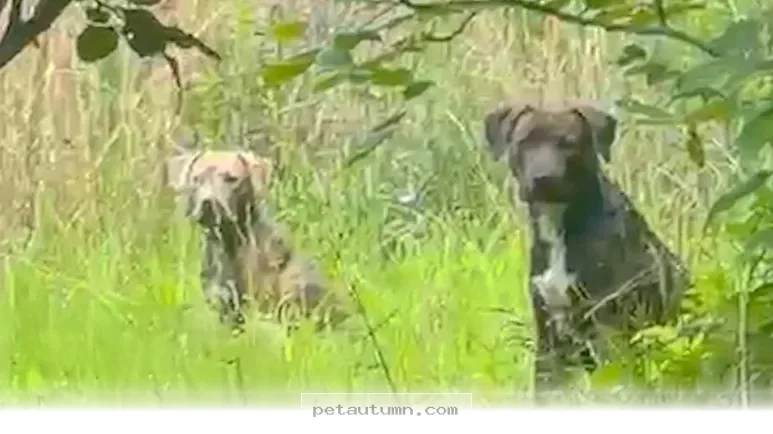
There is something truly profound about the bond between two souls who have faced the world’s hardest challenges together. When two mama dogs were found abandoned near a set of lonely railroad tracks, they showed us exactly what loyalty looks like in its purest form.
These two mothers were terrified, hungry, and exhausted after being left to fend for themselves in a dangerous environment. They refused to separate, choosing to stay glued to each other’s side as if their shared presence was the only thing keeping them grounded.
Key Takeaways
- Shared trauma often creates an unbreakable bond between rescue dogs.
- Patience is the most vital tool when approaching scared or abandoned animals.
- Never attempt to separate bonded pairs during a high-stress rescue operation.
- Trust-building requires consistent, non-threatening interaction over several days.
- Professional rescue organizations have the expertise to manage complex, multi-animal recoveries.
Understanding the Bond of Rescue Dogs
It is not uncommon for dogs to form deep, protective attachments, especially when they have survived a period of homelessness or neglect. When you see two dogs relying on one another for survival, you are witnessing a canine social structure that prioritizes safety in numbers.
This behavior is a survival mechanism that helps them navigate the unknown. By staying close, they provide each other with a sense of security that humans might find difficult to replicate during the initial stages of a rescue.
1. Why Bonded Dogs Stick Together
- Mutual protection against potential threats.
- Reduced anxiety through physical proximity and shared scent.
- Psychological comfort during extreme weather or food scarcity.
- Coordinated vigilance when resting or sleeping.
2. Identifying Signs of Fear in Strays
If you ever encounter stray dogs, recognizing their body language is essential for your safety and theirs. A dog that has been abandoned recently may exhibit behaviors that range from extreme caution to defensive aggression.
- Low, tucked tail or shivering posture.
- Avoidance of direct eye contact.
- Excessive panting despite cool temperatures.
- Hiding behind objects or staying in shadows.
- Frequent scanning of the environment for exits.
| Behavior | Meaning |
|---|---|
| Leaning against each other | Building trust and seeking comfort |
| Pacing back and forth | High stress or searching for safety |
| Growling or showing teeth | Defensive warning to stay away |
How Rescuers Earn Trust
The rescuers who found these two mamas knew they could not rush the process without causing panic. They spent seven long days simply sitting nearby, allowing the dogs to get used to their scent and presence.
This slow approach is the gold standard for animal rescue, as it allows the animals to realize that the humans are not a threat. By offering food and water from a distance, the team slowly closed the gap between themselves and the frightened dogs.
1. The Power of Patience
When you are trying to help a stray, you must resist the urge to approach them too quickly. Giving them space allows them to make the choice to come to you, which builds a much stronger foundation for their future rehabilitation.
2. Planning the Safe Extraction
Once the dogs were comfortable enough to accept treats, the rescuers coordinated a plan to secure them both simultaneously. Since they were bonded, separating them would have caused unnecessary trauma and likely would have made the rescue attempt fail.
- Assess the physical surroundings for safe containment areas.
- Ensure that rescue equipment is readily available and tested.
- Coordinate with multiple handlers to prevent the dogs from bolting.
- Prioritize a calm, low-noise environment during the transition.
Following these careful steps ensured that both mama dogs stayed together, which was vital for their ongoing emotional recovery.
The information on petautumn.com is for general informational purposes only and does not constitute veterinary advice. Pet health needs vary by breed, age, and individual condition. Always consult a licensed veterinarian before making decisions about your pet’s health, diet, or medical treatment. Pet Autumn is not affiliated with any veterinary organization, pet food manufacturer, or breeder.
Witnessing stories like these reminds us that kindness and patience can bridge even the widest gaps. Whether you are working with rescue organizations or caring for your own pets at home, the principles of respect and understanding remain the same.
We hope this story inspires you to support local shelters and rescue groups whenever you can. Every dog deserves a chance to feel safe, especially when they have a loyal friend by their side.

Cat care writer at petautumn.com. English Literature graduate (S.S) from Universitas Udayana. Covers cat breeds, behavior, nutrition, grooming, and health. Cat mom to Luna and Lina. Based in Austin, Texas.