Written by Kadek Darma
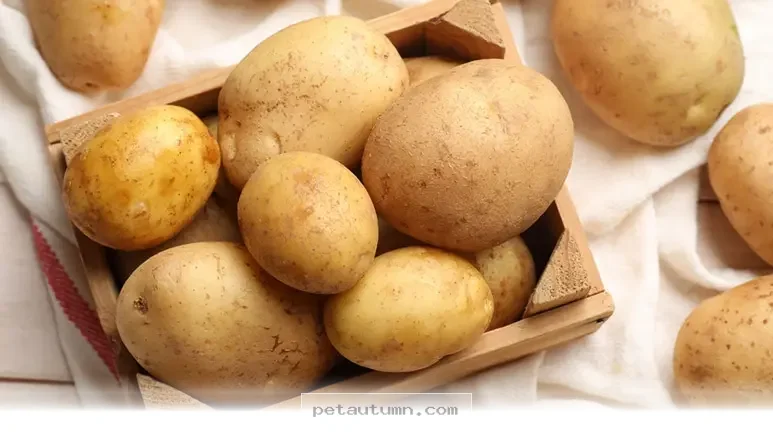
Walking through the produce aisle, you might notice those sturdy, brown-skinned russet potatoes tucked away in the bin. They are a staple in many human households for mashed potatoes or baking, but have you ever wondered if they belong in your dog’s bowl?
While these tubers aren’t toxic, they certainly aren’t a nutritional necessity for our canine companions. Understanding how to handle them correctly ensures you don’t accidentally introduce too much starch into your pet’s daily routine.
Key Takeaways
- Russet potatoes are safe for dogs only when fully cooked and served in moderation.
- They are high in starch, which can cause blood sugar spikes and potential metabolic stress.
- Healthy treats should never exceed 10% of your dog’s total daily caloric intake.
- Always remove any green parts or sprouts, as these contain compounds that are unsafe for pets.
- Preparation matters; soak and boil potatoes thoroughly to reduce antinutrient content.
Understanding the Nutritional Profile of Russet Potatoes
It is easy to assume that because a food is natural, it must be healthy for our pets. While russet potatoes do contain beneficial compounds like flavonoids, quercetin, and kaempferol, these perks are often overshadowed by their carbohydrate density.
Dogs have no biological requirement for the high levels of starch found in these tubers. Feeding them as a regular meal component can lead to unwanted weight gain and long-term metabolic strain.
How to Safely Prepare Russet Potatoes for Your Dog
If you decide to offer your dog a small taste, the preparation method is vital to their safety. Never feed a potato raw, as the starch is difficult for their digestive systems to break down properly.
1. Selection and Inspection
Always choose firm, clean potatoes that are free from deep bruises, dark spots, or any visible cuts. Avoid any potatoes that have started to turn green, as this discoloration indicates the presence of solanine, which is harmful to dogs.
2. Soaking and Cleaning
Scrub the skin thoroughly to remove any dirt or pesticide residue before you start cooking. Many pet parents find it helpful to soak the cubed potatoes in water for a few hours to help leach out some of the excess starch.
3. Cooking Thoroughly
Boiling or steaming is the safest way to prepare them. Ensure the potato is cooked all the way through until it is soft, as this makes it much easier for your dog to digest.
4. Serving Sizes
Keep the portion size very small, whether you are using it as a treat or a topper. Remember that treats should be a tiny fraction of your dog’s daily calories to avoid disrupting their primary, balanced diet.
Comparing Starchy Treats for Pets
When you want to give your dog a little something extra, it helps to compare the options available in your kitchen. Some vegetables are much better suited for canine digestion than others.
| Vegetable | Starch Content | Recommendation |
|---|---|---|
| Green Beans | Very Low | Excellent daily snack |
| Russet Potato | High | Occasional treat only |
| Raw Potato | High | Do not feed |
This table serves as a quick reference for when you are planning your dog’s snack time. High-starch options like potatoes should generally be kept to a minimum compared to fibrous, low-calorie vegetables.
Why Less Is More With Potatoes
The glycemic index of a baked russet potato is quite high, which means it causes a rapid spike in blood sugar. For dogs, consistent spikes like this can put the pancreas under unnecessary pressure.
Over time, a diet heavy in high-glycemic carbohydrates can lead to inflammation and systemic health issues. By keeping these treats rare, you allow your dog to enjoy a taste without compromising their long-term well-being.
The information on petautumn.com is for general informational purposes only and does not constitute veterinary advice. Pet health needs vary by breed, age, and individual condition. Always consult a licensed veterinarian before making decisions about your pet’s health, diet, or medical treatment. Pet Autumn is not affiliated with any veterinary organization, pet food manufacturer, or breeder.
If you are curious about what foods are truly optimal for your pet, I recommend checking the guidelines provided by the American Kennel Club. They offer extensive resources on canine nutrition and safe human food choices.
Ultimately, your dog will be happiest and healthiest when they receive a species-appropriate diet rich in high-quality proteins and fats. While a little piece of potato won’t hurt, prioritize fresh, whole foods that support their natural biological needs.

Cat care writer at petautumn.com. English Literature graduate (S.S) from Universitas Udayana. Covers cat breeds, behavior, nutrition, grooming, and health. Cat mom to Luna and Lina. Based in Austin, Texas.