Written by Kadek Darma
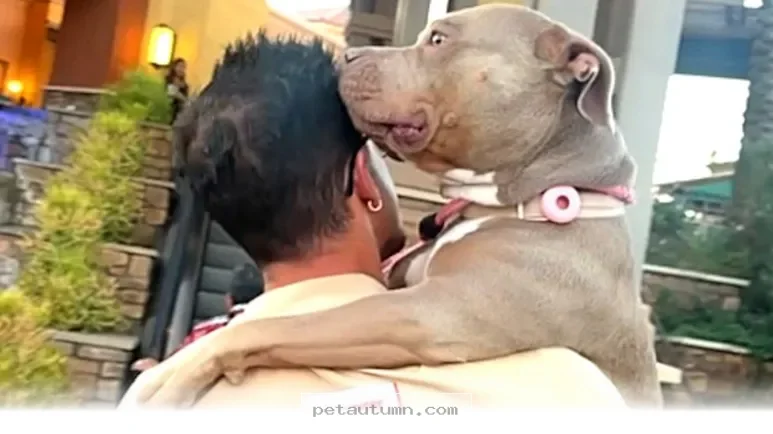
Have you ever looked at a dog and seen past the labels? Sometimes, a rescue dog comes with a reputation that doesn’t quite match the gentle soul hiding underneath.
Cleo was one such dog, labeled aggressive and returned to the shelter by families who didn’t understand her needs. It takes patience to see the truth behind the fear.
Key Takeaways
- Behavioral labels in shelters often reflect stress rather than permanent personality traits.
- Consistent routines help anxious rescue dogs feel secure and calm in new environments.
- Understanding body language is the first step toward building trust with a fearful dog.
- Patience and positive reinforcement are your most effective tools for rehabilitation.
Understanding Shelter Stress and Aggression
Many dogs arrive at shelters feeling overwhelmed by the loud noises and unfamiliar faces. What some people perceive as aggression is often a defensive reaction to high-stress environments.
When a dog is labeled as aggressive, it can lead to a cycle of isolation and further behavioral decline. Providing a quiet, predictable space allows them to decompress.
1. Identifying Potential Triggers
Recognizing why your dog reacts is vital for your success. You should watch for these common signs of discomfort in rescue animals:
- Excessive panting or yawning when no heat is present.
- Tucking the tail between the legs.
- Avoiding eye contact or looking away.
- Stiffening the body or freezing in place.
- Growling or snapping when personal space is invaded.
2. Creating a Safe Haven
Your new companion needs a dedicated "safe zone" where they can retreat when the world gets too busy. This space should be off-limits to guests and other pets initially.
Keep this area stocked with essentials like a comfortable bed, chew toys, and fresh water. This creates a sense of ownership and security for your pet.
| Factor | Stable Environment | Chaotic Environment |
|---|---|---|
| Routine | Consistent timing | Unpredictable |
| Noise Level | Low and calm | Loud and startling |
| Socialization | Gradual and controlled | Forced interactions |
| Dog’s Mood | Relaxed and curious | Anxious or defensive |
Building Trust with Your Rescue Dog
Trust is not given; it is earned through thousands of small, kind actions over time. Never force your dog to interact if they are showing signs of hesitation.
Instead, let them approach you on their own terms. Sitting on the floor and ignoring them while you read a book is a great way to show you are not a threat.
3. The Power of Positive Reinforcement
You want to reward the behavior you like, not punish the behavior you fear. Use high-value treats to associate your presence with positive outcomes.
Keep your training sessions short and fun. If you notice your dog becoming frustrated, simply end the session and try again later.
4. Professional Guidance
Sometimes, the behavior is more complex than a simple adjustment period. Working with a certified professional trainer can provide you with a roadmap tailored to your specific situation.
Always ensure your trainer uses force-free, reward-based methods. You can find qualified professionals through resources like the American Kennel Club.
Essential Supply List for New Adopters
- Sturdy harness for secure walks.
- Long-lasting chew toys to relieve anxiety.
- High-value, soft training treats.
- A crate or designated quiet corner.
- Calming pheromone diffusers for the home.
The information on petautumn.com is for general informational purposes only and does not constitute veterinary advice. Pet health needs vary by breed, age, and individual condition. Always consult a licensed veterinarian before making decisions about your pet’s health, diet, or medical treatment. Pet Autumn is not affiliated with any veterinary organization, pet food manufacturer, or breeder.
When you choose to see the dog beneath the label, you open the door to a bond that is truly special. It is a rewarding journey that changes both your life and theirs.
Take your time and celebrate the small wins, like that first tail wag or a relaxed nap at your feet. Every moment of progress is a testament to the love you provide.

Dog care writer at petautumn.com. Visual Communication Design graduate (S.Ds) from Universitas Udayana. Covers dog breeds, behavior, training, and gear reviews. Dog dad to Meepo. Based in Austin, Texas.