Written by Ayu Pratiwi
Walking into a local animal shelter with the intention of adopting a single kitten is a common goal for many pet lovers. You might have your heart set on a tiny ball of fluff to brighten up your living room.
However, sometimes the animals have other plans for us. One compassionate woman recently discovered that life rarely follows a script when you visit a rescue facility.
Key Takeaways
- Adopting a bonded family ensures the mother cat and her kittens stay together.
- Bringing home a full litter requires extra space and supplies for everyone.
- Shelter staff can provide guidance on managing feline social dynamics in your home.
- Mama cats often need extra nutrition and quiet spaces after nursing their babies.
- Bonded pairs or groups offer a unique, deeply connected companionship for your household.
Why Adopting Bonded Cat Families Changes Everything
When you look at a mother cat with her kittens, you are seeing a delicate, established social structure. Separating them prematurely can cause unnecessary stress for both the mother and her growing offspring.
Many shelters prefer keeping families together until the kittens are fully weaned and independent. This approach helps the kittens develop better social skills and emotional stability.
Choosing to adopt the entire group is a beautiful commitment to their long-term well-being. You are essentially saving multiple lives while keeping a loving family unit intact.
These groups often display fascinating behaviors as they grow together in a home environment. Watching them play, groom, and sleep in a pile is truly one of the most rewarding experiences a cat owner can have.
| Factor | Single Kitten | Bonded Family |
|---|---|---|
| Socialization | Requires human interaction | Learns from siblings/mama |
| Energy Level | High, needs play | Self-entertaining group |
| Space Needs | Minimal | Large area required |
| Vet Costs | Standard | Higher initial investment |
This decision impacts your daily routine, so preparation is the best way to ensure success.
Preparing Your Home for a Multi-Cat Household
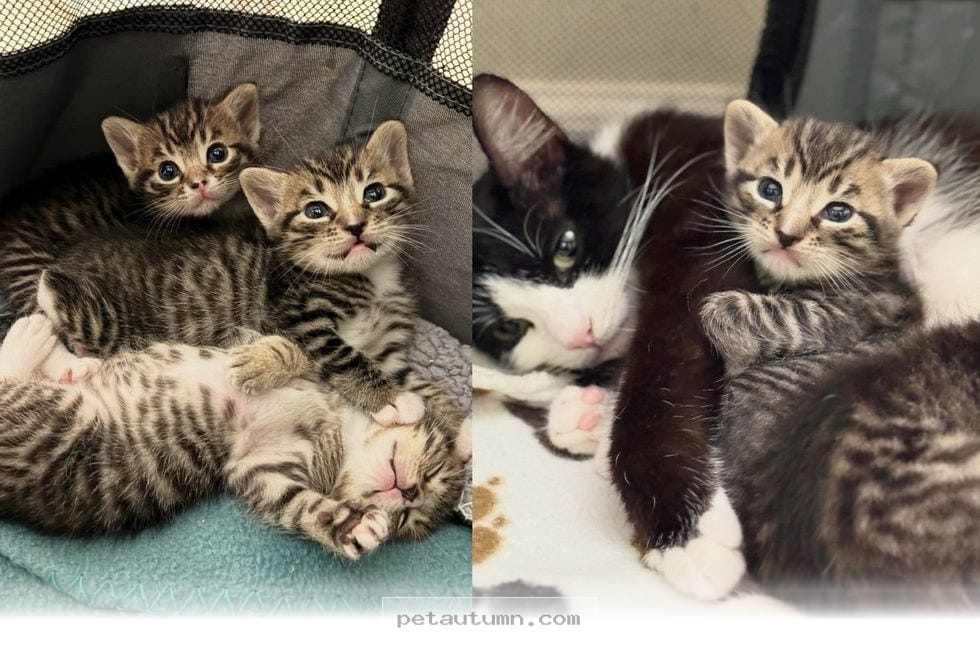
Adopting a mother cat and her three kittens means you suddenly have four new roommates. You need to organize your space to accommodate their specific needs, especially since kittens are naturally curious and energetic.
1. Create a Dedicated Sanctuary Room
Start by setting up a quiet, safe room where the family can adjust to their new surroundings. A bedroom or a spare office works perfectly for this initial transition period.
Ensure the room is free of electrical cords, small items that could be swallowed, and toxic plants. You want a secure environment where the mama cat feels comfortable caring for her babies.
2. Gather Essential Supplies
You will need a substantial amount of equipment to keep four cats happy and healthy. Make a checklist to ensure you do not miss anything important before they arrive.
- Multiple large litter boxes with low entry points for kittens.
- High-quality kitten food for the little ones and nursing food for the mother.
- Several scratching posts to save your furniture.
- A variety of soft bedding or cat caves for communal napping.
- Sturdy cat carriers for future travel or veterinary visits.
3. Establish a Feeding Routine
Mama cats require extra calories while they are still nursing their kittens. Consult with your local ASPCA guidelines to understand the nutritional needs of a lactating mother.
Keep the feeding area away from the litter boxes to maintain hygiene. Monitor each kitten to ensure they are all eating well and growing at a steady pace.
Observing Feline Behavior and Bonding
Watching the mother cat teach her kittens how to navigate the world is an incredible journey. You will see them learn to groom each other, chase toys, and practice their hunting instincts.
These interactions are vital for their development and confidence. As they grow, they will likely start exploring further away from their mother, which is a normal sign of maturing.
Common Behaviors to Recognize
- Grooming each other as a sign of affection.
- Sleeping in a "kitten pile" for warmth and security.
- Play fighting to learn boundaries and bite inhibition.
- Mama cat keeping a watchful eye on her brood during playtime.
Monitoring for Health Changes
Keep a close watch on your new feline family to ensure they remain happy and healthy. You should observe their daily activity levels and look for signs of distress or illness.
- Lethargy or lack of appetite.
- Sneezing or discharge from the eyes.
- Unusual changes in litter box habits.
- Sudden hiding or aggressive behavior.
If you notice any of these symptoms, reach out to a professional for guidance. According to the AVMA, consistent veterinary care is the foundation of a long and healthy life for your pets.
Managing the social dynamics of a mother and her kittens is usually quite simple. They already have a bond, which makes the integration process much smoother than introducing unrelated adult cats.
The information on petautumn.com is for general informational purposes only and does not constitute veterinary advice. Pet health needs vary by breed, age, and individual condition. Always consult a licensed veterinarian before making decisions about your pet’s health, diet, or medical treatment. Pet Autumn is not affiliated with any veterinary organization, pet food manufacturer, or breeder.
Choosing to adopt a whole family is a beautiful act of kindness that rewards you with endless entertainment and love. You are providing a stable foundation for the kittens while honoring the protective bond of their mother.
Your home will surely become a much livelier place with four cats running around. Enjoy every moment of watching them grow, learn, and thrive under your care.

Cat care writer at petautumn.com. English Literature graduate (S.S) from Universitas Udayana. Covers cat breeds, behavior, nutrition, grooming, and health. Cat mom to Luna and Lina. Based in Austin, Texas.