Written by Kadek Darma
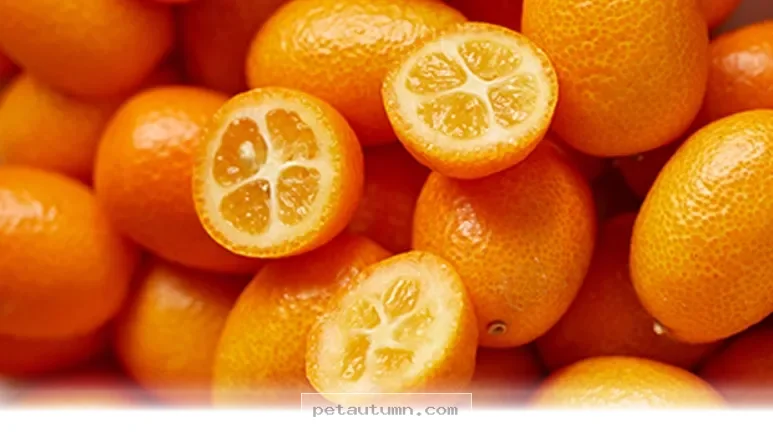
If you have never tasted a kumquat before, you are in for a truly delightful surprise. These tiny, oval-shaped citrus fruits look like miniature oranges, roughly the size of a grape or a large olive.
They possess a unique flavor profile featuring sweet, edible skin, slightly bitter flesh, and a tart burst of juice. Whether you enjoy them in a salad or as a quick snack, these vibrant fruits are a versatile addition to any kitchen.
Key Takeaways
- Kumquats are the smallest member of the citrus family and are entirely edible, skin and all.
- They contain apigenin, a powerful flavonoid that helps combat oxidative stress and supports cellular health.
- Research suggests certain compounds in kumquats may assist in regulating body weight and fat cell growth.
- Always serve these fruits in moderation, ensuring they never exceed 10% of your pet’s daily caloric intake.
- Before feeding them to your dog or cat, ensure you wash the fruit thoroughly to remove any potential pesticides.
Understanding the Kumquat for Your Pet
You might wonder if it is safe to share these golden-orange treats with your furry companion. The good news is that kumquats are safe for dogs and cats to consume, provided they are offered in small, controlled portions.
Because they are high in fiber and natural sugars, they should be treated as an occasional snack rather than a dietary staple. Always remember to monitor your pet closely the first time they try a new food to ensure their digestive system handles it well.
1. The Nutritional Profile
Kumquats are packed with essential vitamins and minerals that can contribute to your pet’s overall wellness. They are particularly rich in vitamin C and beta-carotene, which acts as a precursor to vitamin A.
These nutrients play a vital role in supporting a healthy immune system and maintaining good vision. Additionally, the presence of calcium and phosphorus helps support strong bone health for your active pet.
2. The Power of Apigenin
One of the most exciting components found in kumquats is a flavonoid called apigenin. This compound is recognized for its antioxidant properties, which help your pet manage oxidative stress effectively.
By neutralizing free radicals, antioxidants can play a protective role against various chronic conditions. Some research even indicates that apigenin may support healthy inflammatory responses throughout the body.
3. Potential Weight Management Benefits
Maintaining a healthy weight is one of the best things you can do for your pet’s longevity. Interestingly, certain flavonoids found in kumquats, such as poncirin, may assist in regulating fat cell growth.
While a treat alone will not solve weight issues, incorporating nutrient-dense, low-calorie snacks can be a helpful strategy. Always consult your veterinarian to ensure your pet’s current diet is balanced and appropriate for their activity level.
Guidelines for Serving Kumquats
When introducing new foods to your pet, the preparation process is just as important as the food itself. Follow these simple steps to ensure your pet stays happy and healthy during snack time.
- Select Fresh Fruit: Always choose firm, bright-colored kumquats without any soft spots or bruising.
- Wash Thoroughly: Even organic produce should be rinsed well to remove surface dirt or debris.
- Remove Seeds: While not toxic, the small seeds can be a choking hazard for smaller dogs.
- Chop Into Pieces: Slice the fruit into bite-sized portions based on your pet’s size.
- Monitor Portions: Start with a very small amount to see how your pet reacts to the tart flavor.
Comparing Citrus Treats
| Fruit Type | Safety for Pets | Primary Benefit | Serving Suggestion |
|---|---|---|---|
| Kumquat | Safe (Moderate) | Antioxidants | Small, sliced pieces |
| Orange | Safe (Moderate) | Vitamin C | Segmented, no peel |
| Lemon | Caution | High Acidity | Avoid (May cause upset) |
| Lime | Caution | High Acidity | Avoid (May cause upset) |
Important Considerations
While kumquats are safe, some pets may simply dislike the tart or bitter taste of the citrus. If your pet turns their nose up at the fruit, do not force them to eat it, as there are plenty of other healthy options available.
Furthermore, keep a close eye on your pet for any signs of gastrointestinal distress. Symptoms to watch for include the following:
- Vomiting
- Diarrhea
- Excessive drooling
- Lethargy
- Loss of appetite
If you notice any of these symptoms after your pet tries a new food, discontinue the snack immediately. Always reach out to your veterinarian if you have concerns about your pet’s reaction to a specific ingredient.
The information on petautumn.com is for general informational purposes only and does not constitute veterinary advice. Pet health needs vary by breed, age, and individual condition. Always consult a licensed veterinarian before making decisions about your pet’s health, diet, or medical treatment. Pet Autumn is not affiliated with any veterinary organization, pet food manufacturer, or breeder.
Sharing a small, thoughtful snack with your pet can be a great way to bond and provide a little variety in their day. As long as you prioritize quality, moderation, and your veterinarian’s guidance, you can feel confident in your choices.
Check out more nutrition tips from the American Veterinary Medical Association to keep your pet thriving. Every small decision you make contributes to a longer, healthier life for your best friend.

Dog care writer at petautumn.com. Visual Communication Design graduate (S.Ds) from Universitas Udayana. Covers dog breeds, behavior, training, and gear reviews. Dog dad to Meepo. Based in Austin, Texas.