Written by Kadek Darma
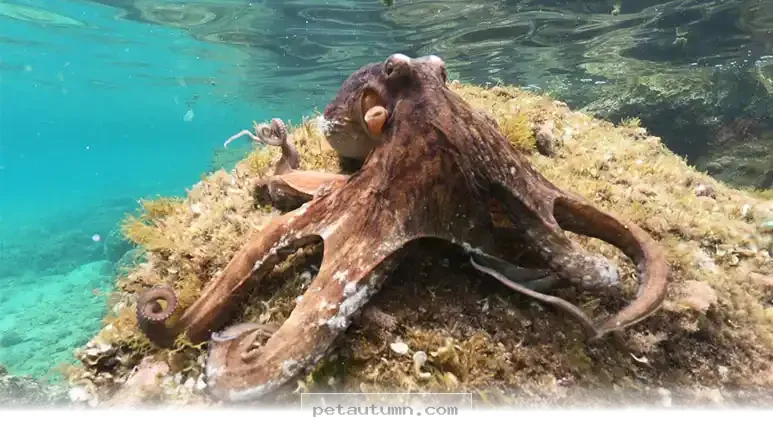
Nature often hides its most incredible stories in the deepest, darkest corners of our planet. Deep beneath the surface of the Monterey Canyon, one mother octopus performed a feat of endurance that defies everything we thought we knew about marine life.
For an astonishing four and a half years, this dedicated mother remained tethered to a rocky ledge. She sacrificed her own nourishment to ensure the safety and survival of her 160 developing eggs.
Key Takeaways
- A female Graneledone boreopacifica octopus brooded her eggs for 53 months without eating.
- The mother remained at a depth of 4,600 feet, guarding her clutch from predators.
- This extreme patience results in larger, more highly developed hatchlings capable of immediate survival.
- The mother suffered physical decline, including weight loss and pale skin, due to her extended fast.
The Ultimate Sacrifice in the Deep Sea
When you consider the standard life cycle of most octopuses, this behavior is truly mind-boggling. Most species in shallower waters only live for a year or two, making this nearly five-year commitment a biological marvel.
Researchers from the Monterey Bay Aquarium Research Institute documented this journey through 18 separate dives. They recognized the mother by her unique scars and watched as she maintained her post through every season.
1. Understanding the Brooding Process
The Graneledone boreopacifica must keep her eggs clean and oxygenated. She constantly washes them with fresh, circulating seawater to prevent silt buildup.
- Continuous Oxygenation: She uses her body to fan currents over the egg mass.
- Constant Vigilance: She remains a physical barrier between the eggs and hungry predators.
- Energy Depletion: Because she does not hunt, she relies entirely on stored energy reserves.
2. Physical Toll on the Mother
As the years passed, the researchers noted significant changes in the mother’s physical condition. She did not hunt for food, as leaving the eggs would have left them vulnerable to scavengers.
| Condition | Observation | Status |
|---|---|---|
| Body Weight | Consistent decline | Warning |
| Skin Tone | Paler and more lax | Warning |
| Mobility | Remained fixed to the ledge | Caution |
| Egg Development | Increased size and visibility | Positive |
Why Such a Long Wait?
You might wonder why nature would demand such a heavy price from a parent. The answer lies in the trade-off between maternal survival and offspring success.
By keeping the embryos protected for such an extended duration, the mother ensures they are exceptionally large and developed upon hatching. These little octopuses emerge ready to face the harsh, high-pressure environment of the deep ocean, giving them a significant advantage over other species.
Evolutionary Benefits
- Survival Rate: Offspring are larger and more robust at birth.
- Developmental Readiness: Hatchlings are fully functional, independent creatures.
- Environmental Adaptation: This strategy maximizes the potential for survival in extreme depths.
A Legacy of Resilience
The final observation of this mother occurred in September 2011. When researchers returned just one month later, the ledge was empty, save for the remnants of 160 hatched egg casings.
She had successfully completed her life’s purpose, ensuring the next generation had the best possible start. It is a humbling reminder of the hidden wonders occurring right now in the vast, unexplored depths of our oceans.
The information on petautumn.com is for general informational purposes only and does not constitute veterinary advice. Pet health needs vary by breed, age, and individual condition. Always consult a licensed veterinarian before making decisions about your pet’s health, diet, or medical treatment. Pet Autumn is not affiliated with any veterinary organization, pet food manufacturer, or breeder.
This story serves as a fascinating glimpse into how different species prioritize the next generation. While our own pets show affection and care in much shorter cycles, the dedication of this deep-sea mother reminds us that the instinct to protect our young is a powerful, universal force.
Whether you are caring for a dog, a cat, or simply fascinated by the natural world, stories like this encourage us to look closer at the incredible behaviors of animals. Keep exploring, and you will find that the animal kingdom is always full of surprises.

Cat care writer at petautumn.com. English Literature graduate (S.S) from Universitas Udayana. Covers cat breeds, behavior, nutrition, grooming, and health. Cat mom to Luna and Lina. Based in Austin, Texas.