Written by Ayu Pratiwi
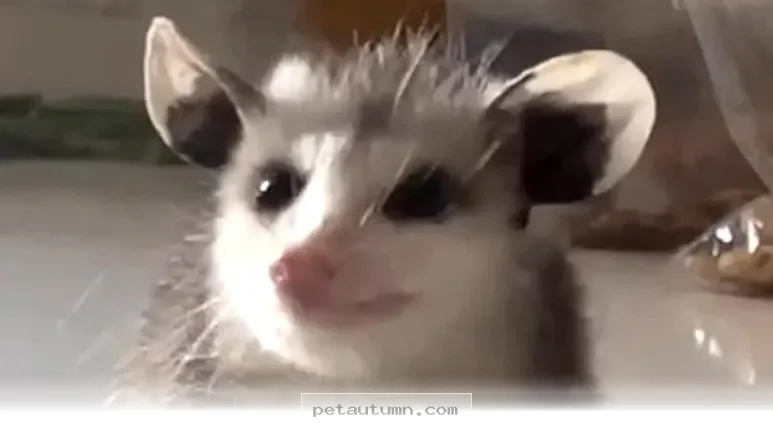
Have you ever met a creature who completely changed your perspective on what it means to be resilient? Life for a tiny opossum named Duncan began with a series of unfortunate events that left her with permanent brain damage and severely limited vision.
While the wild is a tough place for any animal, it was simply not an option for this fragile little soul. She needed a safe harbor, and luckily, she found a human who was ready to offer her a lifetime of love and specialized care.
Key Takeaways
- Wildlife that sustains permanent neurological injuries often cannot survive independently in their natural habitats.
- Specialized care for non-releasable wildlife requires immense patience, daily enrichment, and a commitment to understanding unique animal behaviors.
- Building a bond with a non-traditional pet involves recognizing their specific needs for security and environmental comfort.
- Every animal, regardless of their physical or cognitive challenges, deserves a life filled with dignity and affection.
Understanding Wildlife Rehabilitation
When a wild animal is brought into a sanctuary or a home due to injury, the goal is always release if possible. However, some cases involve severe trauma, such as the neurological damage Duncan experienced, which makes independent survival impossible.
Providing a forever home for an animal like Duncan means creating a space that mimics nature while ensuring constant protection. You must be prepared to adjust your lifestyle to accommodate their unique sleep cycles and dietary habits.
1. Recognizing the Signs of Trauma
If you ever encounter an injured animal, it is essential to contact a professional, as their needs are often far beyond basic first aid. Common indicators that an animal may require long-term assistance include:
- Lack of fear toward humans or natural predators.
- Inability to navigate or walk in a straight line.
- Difficulty locating food or water sources independently.
- Persistent lethargy or lack of grooming behavior.
2. Creating a Safe Environment
For an animal with limited vision, consistency is key. You should avoid moving furniture or changing the layout of their enclosure to help them build a mental map of their surroundings.
Providing soft bedding and quiet, dark corners allows them to retreat when they feel overwhelmed. Always ensure their enclosure is secure, as curious critters often find ways to explore spaces they shouldn’t.
3. Comparing Pet Needs
Understanding the difference between domesticated pets and wildlife can help you better manage expectations.
| Feature | Domestic Pet | Non-Releasable Wildlife |
|---|---|---|
| Socialization | High | Low to Moderate |
| Dietary Needs | Standard Commercial | Specialized/Variable |
| Medical Care | General Vet | Exotic/Wildlife Specialist |
The Journey of Loving the Unusual
Caring for a special-needs animal is a deeply rewarding experience that teaches you to observe the small things. Duncan might not play like a kitten or fetch like a dog, but she shows her affection in her own quiet, gentle ways.
It is a commitment that requires you to be observant and patient. You learn to read their body language and provide the specific environmental cues they need to feel safe and happy.
Essential Supplies for Your Rescue
If you are supporting a wildlife rescue or caring for an animal with similar needs, having the right gear makes a huge difference:
- Multiple secure, escape-proof enclosures of varying sizes.
- Soft, washable fleece blankets for nesting and comfort.
- High-quality enrichment toys that encourage natural foraging behaviors.
- Appropriate, species-specific nutritional supplements as advised by experts.
Always ensure you are following local laws regarding wildlife, as many species require specific permits. You can learn more about animal welfare through resources like the ASPCA or by consulting local AVMA guidelines for exotic animal care.
The bond you form with an animal like Duncan is built on trust and a deep, mutual understanding of boundaries. She does not know she is different; she simply knows she is safe.
The information on petautumn.com is for general informational purposes only and does not constitute veterinary advice. Pet health needs vary by breed, age, and individual condition. Always consult a licensed veterinarian before making decisions about your pet’s health, diet, or medical treatment. Pet Autumn is not affiliated with any veterinary organization, pet food manufacturer, or breeder.
Witnessing Duncan navigate her world reminds us that happiness is often found in the simplest of routines. Her story is a beautiful testament to the power of compassion and the incredible capacity animals have to thrive when given a second chance.
If you are considering helping wildlife, start by supporting your local rehabilitation centers. Your time, donations, or advocacy can provide the resources necessary for these resilient creatures to live their best lives.
Cat care writer at petautumn.com. English Literature graduate (S.S) from Universitas Udayana. Covers cat breeds, behavior, nutrition, grooming, and health. Cat mom to Luna and Lina. Based in Austin, Texas.