Written by Kadek Darma
Every dog owner knows the feeling of walking into a pet store and wanting to buy the entire aisle for their furry friend. For one particular rescue dog named Doris, that feeling never really goes away, though she is surprisingly specific about what she wants.
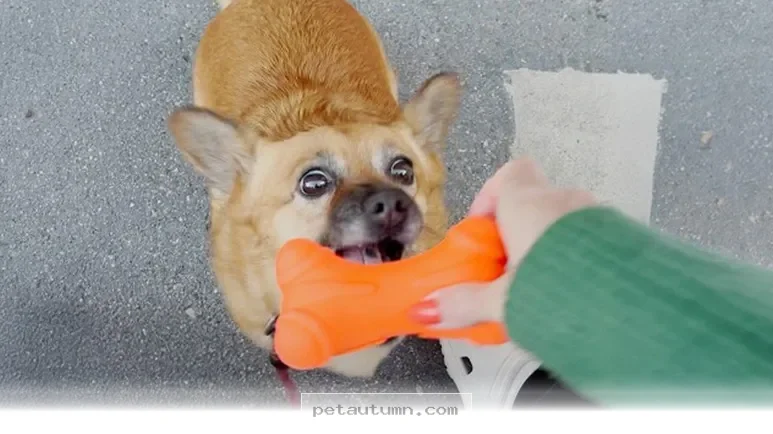
Doris has a collection of over 150 toys waiting for her at home, ranging from plush squirrels to tough rubber balls. Despite this mountain of playthings, she ignores them all in favor of a single, well-loved squeaky bone that she insists on carrying during every single walk.
Key Takeaways
- Dogs often develop strong preferences for specific textures or sounds in their toys.
- Repetitive behaviors, like choosing the same item, can provide a sense of comfort.
- Resource guarding or intense attachment is common in rescued animals adjusting to safety.
- Rotating toys regularly can help prevent your dog from becoming bored with their collection.
Why Dogs Fixate on Specific Toys
It is common for our canine companions to develop an intense bond with one specific object. This behavior often stems from the way a toy feels, sounds, or even smells to a dog.
When a dog picks one item out of a massive pile, it usually represents a source of security. Much like a child with a favorite blanket, that squeaky bone might be the one thing that makes Doris feel most at home.
1. Understanding Toy Preferences
Dogs experience the world through their senses, and toys are no different. A toy that mimics the texture of prey or produces a high-pitched squeak can trigger a dog’s natural instincts.
If your dog ignores their entire toy box, consider what makes their favorite item special. Is it the softness of the fabric or the specific resistance it offers during chewing?
2. The Role of Routine
Routine is a powerful force for dogs, and incorporating a specific toy into a walk can become a meaningful ritual. For Doris, the squeaky bone acts as a companion that makes the outside world feel predictable and safe.
If you want to encourage your dog to play with a wider variety of items, try swapping them out every few days. This keeps the environment feeling fresh and prevents them from losing interest in the toys they already own.
| Toy Type | Best For | Note |
|---|---|---|
| Rubber Chews | Aggressive Chewers | Long-lasting durability |
| Plush Toys | Gentle Players | Great for cuddling |
| Rope Toys | Tug of War | Check for loose threads |
| Squeaky Toys | High Prey Drive | Remove if torn |
Managing Your Pet’s Toy Collection
You might wonder if having too many toys is actually overwhelming for a pet. While many dogs enjoy a variety, having a strategy for how you present these items can help your dog appreciate their collection.
Organizing your dog’s belongings can also make it easier for you to spot when a toy is becoming too worn. Always prioritize safety by inspecting toys for loose parts that could be a choking hazard.
Steps to Organize Your Dog’s Playtime
- Categorize toys by their purpose, such as interactive puzzles, comfort items, and outdoor fetch tools.
- Designate a specific toy bin that is low enough for your dog to browse through on their own.
- Implement a rotation system to keep your dog mentally stimulated by "new" items every week.
- Remove and replace any damaged toys immediately to keep your pet safe from ingestion risks.
- Observe which toys your dog chooses most often to understand their unique play style better.
Understanding Behavioral Signals
When a dog becomes obsessed with one item, it is usually harmless and quite endearing. However, you should monitor your pet to ensure that their attachment does not turn into possessive behavior.
If your dog starts showing signs of stress when you try to take the toy away, it might be time to work on positive reinforcement training. Learning how to trade a toy for a high-value treat can help build trust between you and your pup.
- Excessive drooling over a specific toy.
- Carrying the toy everywhere, including on walks.
- Whining or pacing when the toy is missing.
- Protecting the toy from other pets in the house.
For more information on dog behavior and enrichment, you can visit the American Kennel Club or the ASPCA for expert guidance on training. You can also check out resources from Cornell University College of Veterinary Medicine to understand more about canine mental health.
The information on petautumn.com is for general informational purposes only and does not constitute veterinary advice. Pet health needs vary by breed, age, and individual condition. Always consult a licensed veterinarian before making decisions about your pet’s health, diet, or medical treatment. Pet Autumn is not affiliated with any veterinary organization, pet food manufacturer, or breeder.
Seeing a rescue dog like Doris find such simple, consistent joy in a single toy is a beautiful reminder of the resilience of animals. Her story proves that even after a difficult past, a dog can find immense happiness in the smallest things.
Whether your dog has one favorite bone or a hundred different balls, the most important thing is the bond you share. Take the time to play with your pet, respect their preferences, and enjoy the unique quirks that make your dog the special companion they are.

Dog care writer at petautumn.com. Visual Communication Design graduate (S.Ds) from Universitas Udayana. Covers dog breeds, behavior, training, and gear reviews. Dog dad to Meepo. Based in Austin, Texas.