Written by Kadek Darma
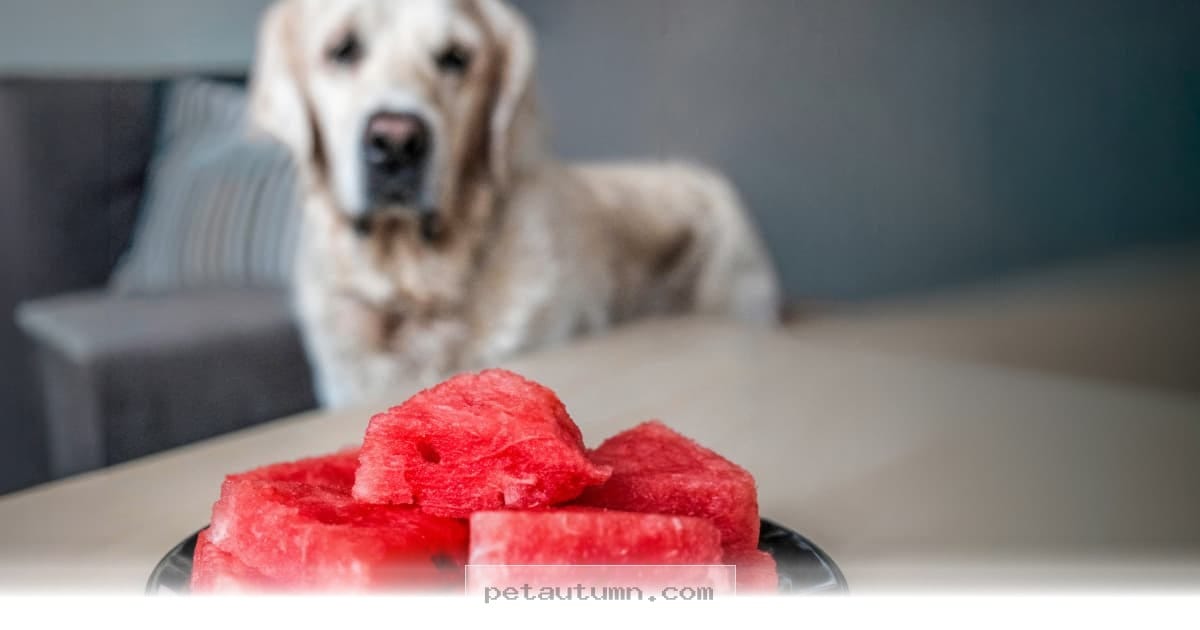
Watermelon is a refreshing, sweet, and healthy treat for humans, so it is natural to wonder if your canine companion can enjoy a slice too. The good news is that the soft, red flesh of this fruit is generally safe for most dogs to eat in small amounts.
However, there are specific guidelines you must follow to keep your pup safe and happy during snack time. Understanding how to prepare this fruit properly ensures that your dog avoids potential digestive issues or choking hazards.
Key Takeaways
- Only serve the soft, red flesh of the watermelon to your dog.
- Always remove all seeds and the thick, fibrous green rind before serving.
- Keep portion sizes small, as treats should never exceed 10% of daily calories.
- Never feed your dog watermelon flavored candies or foods containing artificial sweeteners like xylitol.
- Observe your pet closely after the first time they try this snack to monitor for stomach upset.
Is Watermelon Healthy for Dogs?
Watermelon is a fantastic low-calorie snack because it consists mostly of water, which helps keep your dog hydrated on hot days. It also provides small doses of essential vitamins, including vitamin A, vitamin B6, and vitamin C.
While these nutrients are beneficial, remember that your dog should receive the vast majority of their daily nutrition from a high-quality, balanced diet. Fruit should only be offered as an occasional reward rather than a meal replacement.
Potential Risks and Feeding Guidelines
Serving watermelon incorrectly can lead to medical concerns, so preparation is everything. Before you offer a slice to your furry friend, ensure you have removed all potential hazards from the fruit.
1. Removing the Rind
The tough, green outer rind is extremely difficult for dogs to digest. If ingested, it can lead to gastrointestinal distress or even a dangerous intestinal blockage. Always slice away the rind and the firm white layer directly beneath it.
2. Eliminating Seeds
While a single seed might pass through a large dog without issue, a collection of seeds can cause significant blockages. This risk is especially high for smaller dog breeds. Always check the red flesh thoroughly for both black and white seeds before handing a piece to your dog.
3. Monitoring Portions
Treats are meant to be a small part of your dog’s total caloric intake. Providing too much fruit at once can cause loose stools or diarrhea due to the high water and sugar content.
| Serving Status | Guideline |
|---|---|
| Red Flesh | Safe in moderation |
| Small amounts of seeds | Caution: choking/blockage risk |
| Watermelon Rind | Warning: High risk of blockage |
| Xylitol/Artificial Sweeteners | Warning: Highly toxic |
How to Prepare Watermelon Safely
- Start by washing the outside of the melon to remove pesticides or dirt.
- Use a sharp knife to remove the hard rind and any white sections.
- Carefully slice the fruit to ensure every single seed is removed.
- Cut the remaining red flesh into small, manageable cubes.
- Freeze the cubes for a cooling summer treat that lasts longer.
Once you have prepared the fruit, you can offer it to your dog as a reward during training or a simple afternoon snack.
Recognizing Signs of Digestive Upset
Even when you follow the rules, some dogs may have a more sensitive stomach than others. If you notice your dog exhibiting any of the following symptoms after eating a new food, you should stop feeding it immediately and monitor their condition.
- Frequent vomiting
- Uncharacteristic lethargy
- Persistent diarrhea
- Refusal to eat regular meals
- Signs of abdominal pain or bloating
If these symptoms persist or seem severe, consult your local veterinarian for guidance. You can learn more about general pet health safety through resources like the American Kennel Club.
The information on petautumn.com is for general informational purposes only and does not constitute veterinary advice. Pet health needs vary by breed, age, and individual condition. Always consult a licensed veterinarian before making decisions about your pet’s health, diet, or medical treatment. Pet Autumn is not affiliated with any veterinary organization, pet food manufacturer, or breeder.
Sharing a slice of fresh fruit can be a wonderful bonding experience for you and your dog. As long as you prioritize safety by removing the seeds and rind, this snack is a great way to keep your pup hydrated and happy.
Remember that every dog is an individual with unique dietary needs. If your pet has underlying health conditions like diabetes, always speak with your vet before introducing new treats into their routine.

Cat care writer at petautumn.com. English Literature graduate (S.S) from Universitas Udayana. Covers cat breeds, behavior, nutrition, grooming, and health. Cat mom to Luna and Lina. Based in Austin, Texas.